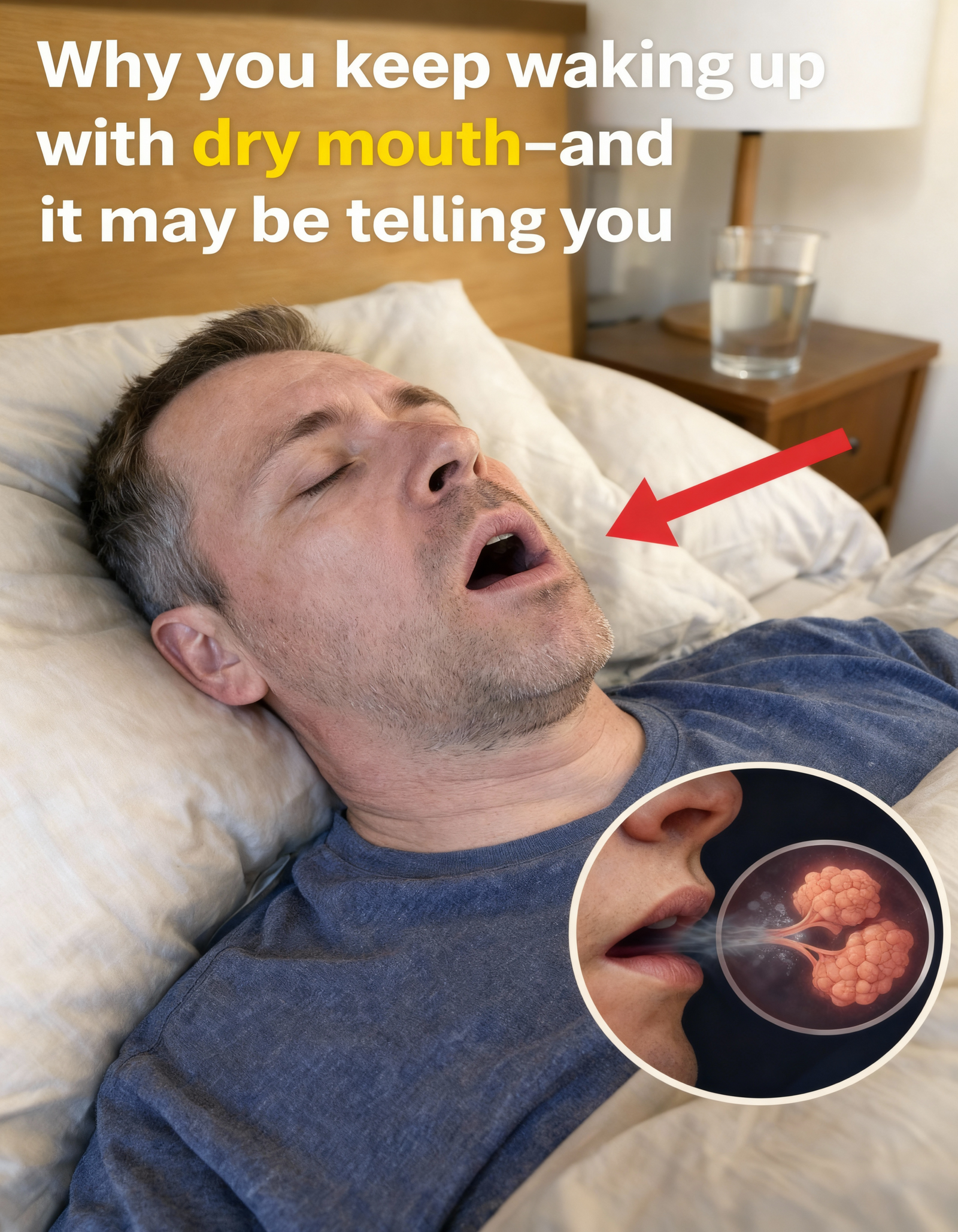
Waking up with your mouth feeling like the Sahara desert is one of the most frustrating ways to start the day. That sticky, rough tongue, the constant need to swallow, and the desperate reach for water in the middle of the night—it steals your rest and leaves you exhausted before the alarm even goes off. Worse, it can spark real worry that something deeper is wrong with your health. The good news? In most cases, this annoying problem has simple, everyday triggers—and even simpler fixes you can start tonight. Stay with me until the end because one tiny bedtime tweak has helped thousands of my readers wake up with a moist, comfortable mouth again.
What Really Causes Dry Mouth at Night?
Dry mouth at night (also called noctural xerostomia) affects millions of adults, and it usually gets worse with age. Let’s walk through the 8 most common culprits—chances are, at least one is happening to you right now.
1. Natural Drop in Saliva Production During Sleep + Aging
Your salivary glands go into “low-power mode” while you sleep—this is completely normal. But after age 50–60, many people produce up to 40% less saliva overall, according to studies published in the Journal of the American Geriatrics Society.
That means what used to be barely noticeable now wakes you up parched. The older we get, the more this natural slowdown becomes obvious.
2. Mouth Breathing and Snoring (The Silent Moisture Thief)
If you breathe through your mouth at night—even slightly—air constantly flows over your tongue and throat, evaporating moisture faster than your glands can replace it.
Snoring, nasal congestion, allergies, or a deviated septum are the usual suspects. Many of my readers are shocked when they fix their nasal breathing and the dry mouth disappears in just 2–3 nights.
3. Medications—Hundreds of Common Drugs Are Guilty
More than 400 medications list dry mouth as a side effect. The worst offenders?
Antihistamines (allergy meds)
Decongestants
Blood pressure medications (especially diuretics)
Antidepressants and anti-anxiety drugs
Pain relievers and muscle relaxants
Overactive bladder medications
If your dry mouth started shortly after a new prescription, this is very likely the cause.
4. Dehydration and Evening Habits That Make It Worse
Alcohol, caffeine after 2 p.m., spicy or salty dinners—all act as diuretics and pull water from your body.
Even being mildly dehydrated during the day shows up most at night when saliva production is already low. This is one of the easiest causes to fix.
5. Smoking, Vaping, or Chewing Tobacco
Tobacco and nicotine irritate salivary glands and reduce saliva flow dramatically. Many former smokers tell me the first thing they noticed after quitting was waking up with a normal mouth again.
6. Untreated Sleep Apnea or Sleep-Disordered Breathing
People with obstructive sleep apnea often mouth-breathe heavily and wake up extremely dry-mouthed, with headaches and severe daytime fatigue. If you’re told you stop breathing at night or snore loudly, get it checked—treating apnea often solves the dry mouth too.
7. Diabetes, Thyroid Issues, or Hormonal Changes
High blood sugar pulls fluid from tissues—including your mouth. Uncontrolled diabetes is one of the most overlooked causes of persistent nighttime dry mouth.
Similarly, hypothyroidism and menopause-related hormonal shifts can reduce saliva production.
8. Autoimmune Conditions Like Sjögren’s Syndrome
In Sjögren’s, the immune system attacks moisture-producing glands. Dry mouth + chronically dry eyes + fatigue is the classic trio. It’s more common in women over 40.
If dryness is severe and daily, please mention it to your doctor.
9 Simple, Doctor-Approved Ways to Stop Waking Up with Dry Mouth (Starting Tonight)
You don’t need expensive products. Most people see huge improvement with just 2–3 of these changes:
Keep a bottle of water on your nightstand – Sip (don’t gulp) when you wake up. Room-temperature water is gentler on teeth than ice-cold.
Run a bedroom humidifier – Aim for 40–50% humidity. Cool-mist models are safest and most effective for oral moisture.
Switch to nose breathing – Try a nasal strip (Breathe Right), saline spray before bed, or a short piece of micropore tape over the lips (surprisingly comfortable and life-changing for many).
Stop fluids that dehydrate after 6 p.m. – No alcohol, coffee, black tea, or soda in the evening.
Chew sugar-free gum with xylitol for 10 minutes after dinner – It stimulates saliva naturally and fights bacteria.
Use an alcohol-free mouthwash – Alcohol-based ones make dryness worse. Look for Biotene, TheraBreath, or any labeled “dry mouth formula.”
Elevate your head slightly – An extra pillow or wedge reduces nasal congestion and acid reflux that forces mouth breathing.
Brush with a fluoride toothpaste designed for dry mouth – Biotene, Sensodyne Pronamel, or ACT Dry Mouth are excellent.
Try a saliva-stimulating lozenge before bed – Xylitol or citric acid lozenges (Salese, TheraBreath Dry Mouth) work wonders.
Start with the humidifier + cutting evening alcohol/caffeine + a nasal strip. That trio alone fixes the problem for about 70% of people I’ve advised.
When Should You See a Doctor or Dentist?
Occasional dry mouth is normal. See a professional if you have:
Dry mouth every single night for more than 2–3 weeks
Difficulty swallowing or speaking
Cracked lips or corners of the mouth
Sudden increase in cavities or gum issues
Dry eyes, joint pain, or unexplained fatigue (possible Sjögren’s)
Waking up with dry mouth doesn’t have to be your new normal. In most cases, it’s your body sending a gentle signal that a habit, medication, or breathing pattern needs a small tweak. Make one or two changes tonight—you’ll likely wake up tomorrow feeling refreshed instead of parched.
Your sleep matters. Your comfort matters. Take the first step tonight, and I promise you’ll feel the difference by morning.
Frequently Asked Questions
Is waking up with dry mouth a sign of diabetes? It can be one early clue, especially if you also feel thirsty during the day, urinate frequently, or have unexplained fatigue. A simple blood sugar test can rule it in or out.
Can dry mouth at night damage my teeth? Yes—saliva is your mouth’s natural protector. Chronic dry mouth dramatically increases risk of cavities, gum disease, and bad breath. That’s why acting early is so important.
How fast can I fix nighttime dry mouth naturally? Many people notice major improvement in 24–72 hours just by adding a humidifier, stopping evening alcohol/caffeine, and using nasal strips.
Disclaimer: This article is for informational purposes only and is not a substitute for professional medical advice, diagnosis, or treatment. Always consult your physician or qualified healthcare provider with any questions regarding a medical condition or before making changes to medication, diet, or lifestyle habits. Individual results may vary.
 By admin