 By admin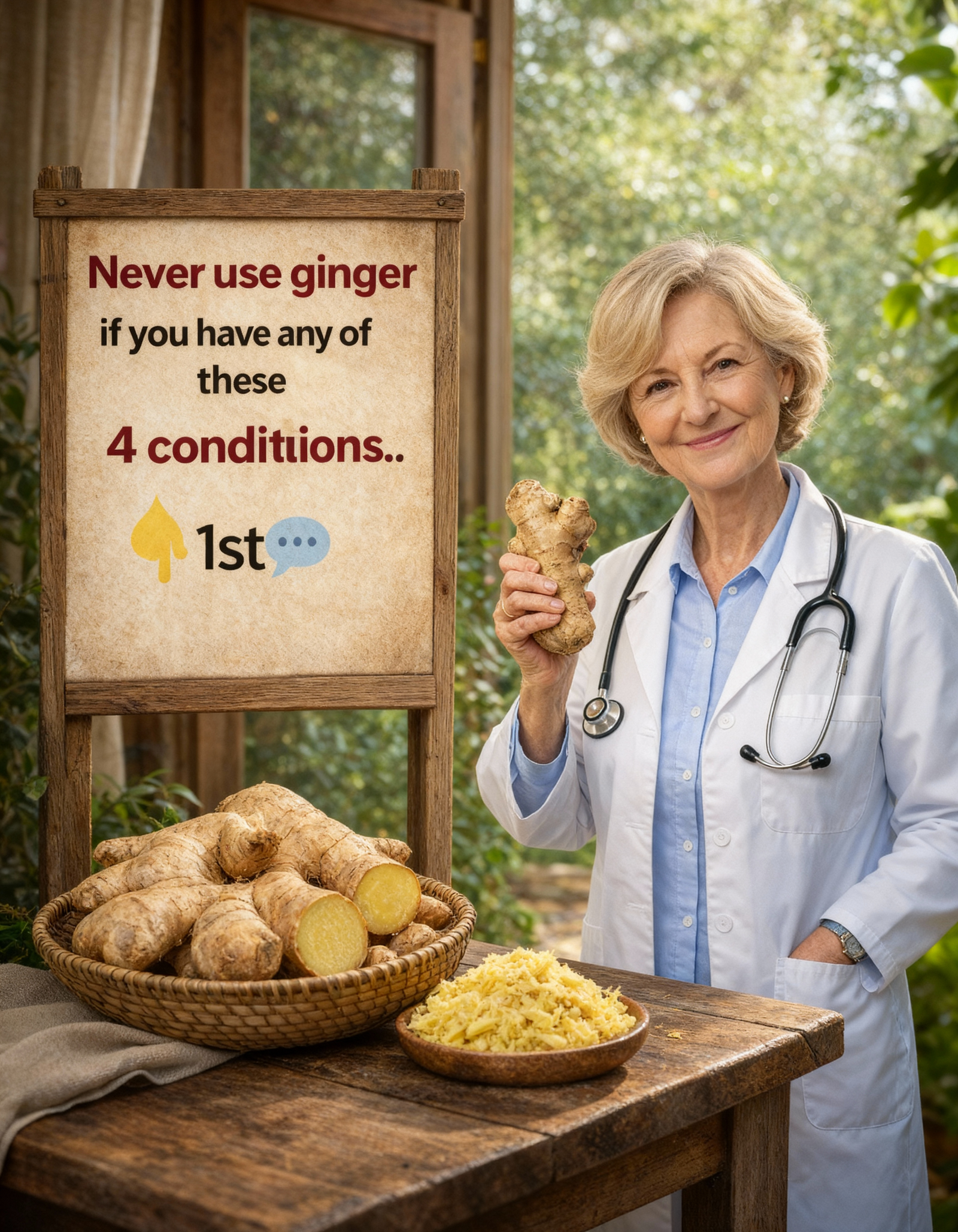
You probably reach for ginger regularly because it adds a comforting warmth to your tea, stir-fries, or morning smoothie. Many people turn to this ancient root for its reputation in supporting digestion, easing occasional nausea, and providing natural antioxidant benefits. It feels good to include something so simple and natural in your routine. But here’s the catch: the same ginger that helps so many can sometimes create unexpected challenges for certain individuals, especially when consumed in larger amounts or in concentrated forms like supplements. While most people tolerate it well in everyday food amounts, specific health situations call for extra care — or even stepping back entirely.
The reassuring part? Knowing these key scenarios lets you enjoy ginger thoughtfully and safely. In this guide, we’ll cover four important conditions where caution with ginger is often recommended, drawing from insights in reliable health resources. Keep reading to the end for practical, everyday tips on using ginger mindfully — plus a surprising insight many overlook that helps most people benefit without the downsides.

Why Ginger Is So Popular (and Why Awareness Matters)
Ginger, from the plant Zingiber officinale, has been valued for centuries in traditional wellness practices worldwide. Research suggests its active compounds, like gingerol, may offer support for healthy digestion, help with occasional nausea, and deliver antioxidant effects.
For the majority of healthy adults, moderate amounts — think a few slices in tea or a teaspoon grated into meals — are generally well-tolerated. Studies indicate that side effects are uncommon at these low levels, though higher intakes (such as over 5 grams daily from supplements) may sometimes lead to mild issues like heartburn or stomach discomfort.
But here’s where caution comes in. Ginger can influence processes like blood clotting, bile production, blood sugar regulation, and blood pressure. These effects are usually subtle, but they can interact with certain conditions or medications. That’s why healthcare professionals often suggest checking in with a doctor if you have specific health concerns.

4 Conditions Where Ginger May Require Extra Caution
Ginger isn’t off-limits for everyone in these situations — but many experts advise moderation or professional guidance. These aren’t strict prohibitions; they’re about making smart, personalized choices.
1. Bleeding Disorders or Use of Blood-Thinning Medications
Ginger has natural compounds that may mildly affect blood clotting. This can be neutral or even helpful in some cases, but it raises concerns for people with bleeding disorders (such as hemophilia) or those taking anticoagulants like warfarin, aspirin, or clopidogrel.
Reliable sources note that combining ginger — especially in higher amounts — with these medications could potentially increase the chance of bruising or bleeding. Even everyday food use might contribute if you’re particularly sensitive or consume concentrated forms frequently.
But that’s not all… If this applies to you, discussing your ginger habits with your healthcare provider is a wise step. They can help monitor things and provide tailored advice.
2. Gallstones or Gallbladder Concerns
Ginger naturally encourages bile flow, which aids digestion for many people. However, for those with gallstones or other gallbladder issues, this stimulation might lead to discomfort or aggravate existing symptoms.
Health reviews from trusted sources highlight that individuals with gallbladder conditions should approach ginger carefully. The increased bile activity may not be ideal when the system is already under stress.
Small amounts in cooking are often manageable, but supplements or larger doses deserve a conversation with your doctor first.

3. Diabetes (Particularly When Managing with Medications)
Some studies suggest ginger may support healthy blood sugar levels naturally — which sounds promising. Yet for people already using diabetes medications like insulin or oral hypoglycemics, this could lead to blood sugar dropping too low (hypoglycemia), causing symptoms like shakiness or dizziness.
Experts generally recommend enjoying ginger in food amounts while being more cautious with supplements if diabetes is part of your health picture. Close monitoring becomes key in these cases.
4. Low Blood Pressure or Use of Blood Pressure Medications
Research indicates ginger may have mild blood-pressure-lowering effects in some individuals. For those with naturally low blood pressure (hypotension) or on antihypertensive medications, this could amplify the drop, potentially leading to lightheadedness or fatigue.
While not everyone notices this effect, sources point to the interaction potential — particularly at higher intakes. Food-based ginger tends to be gentler, but it’s smart to consult your doctor if blood pressure management is a concern.

Quick Comparison: Food vs. Supplements
To make the differences clearer, here’s a simple breakdown:
- Food Sources (fresh ginger in tea, meals, or smoothies): Usually low dose (under 2-4 grams per day), well-tolerated by most, lower interaction risks.
- Supplements (capsules, extracts, powders): Often more concentrated (1-5+ grams), higher potential for side effects or interactions — best used with professional guidance.
Starting small and observing how your body responds is always a good rule of thumb.
Actionable Tips: Enjoy Ginger Safely in Your Daily Life
Ready to keep ginger in your routine without second-guessing? Follow these straightforward steps:
- Begin with food-based amounts — Grate 1-2 teaspoons of fresh ginger into tea, soups, or smoothies. This keeps things moderate and flavorful.
- Pay attention to your body’s signals — Track any shifts in digestion, energy, or other feelings after adding ginger. Responses vary from person to person.
- Consult your healthcare provider — Especially if you have any of the conditions mentioned, take medications, or are pregnant/breastfeeding. Personalized input is invaluable.
- Opt for high-quality sources — Choose fresh, organic ginger when possible for optimal taste and minimal additives.
- Time it thoughtfully — For occasional nausea support (like during travel), try sipping ginger tea ahead of time rather than relying on large daily doses.
These habits help most people incorporate ginger comfortably and confidently.
Wrapping It Up: Ginger Can Still Be a Great Addition — With Smart Awareness
Ginger continues to be a beloved, zesty way to support everyday wellness for countless people when used thoughtfully. By understanding these four areas where extra caution makes sense — bleeding risks, gallbladder concerns, diabetes management, and low blood pressure — you can decide what’s right for your unique health needs.
The main lesson? Tune into your body, stick to moderation, and reach out to professionals when needed. That’s the best way to harness nature’s flavors safely.
FAQ
Is ginger safe during pregnancy?
Many sources indicate moderate food amounts of ginger can help with occasional morning sickness, but high doses or supplements — especially later in pregnancy — may involve risks related to blood-thinning effects. Always consult your doctor before use.
Can I drink ginger tea every day?
For most people, 1-2 cups of mild ginger tea daily is generally well-tolerated. If you experience heartburn or discomfort, cut back or pause to see how you feel.
Does ginger interact with every medication?
No, but it may affect blood thinners, diabetes medications, and some blood pressure drugs. Share your full list of herbs, supplements, and medications with your healthcare provider for clear guidance.
Disclaimer: This article is for informational purposes only and is not a substitute for professional medical advice. Ginger affects individuals differently, and what suits one person may not be appropriate for another. Always consult a qualified healthcare professional before changing your diet or supplement routine, especially if you have health conditions or take medications. Individual experiences vary, and expert guidance is essential for safety.