 By admin
 Unpacking Your Cravings: What Your Body’s Urges Reveal About Nutrient Needs
Do you ever find yourself suddenly yearning for a specific food, like a bar of chocolate during a stressful afternoon or a bag of salty chips after a long day? These intense desires, often called food cravings, can feel overwhelming and leave us guessing what our body truly needs. While emotional triggers, ingrained habits, or even simple boredom frequently fuel these urges, some nutritional experts propose that cravings can occasionally hint at underlying imbalances in crucial nutrients, fluctuations in blood sugar, or even dehydration.
The encouraging news is that by learning to interpret these patterns, you can make more informed and beneficial dietary choices that enhance your overall well-being. It’s not about deprivation, but about understanding and making smarter swaps. Many common cravings align with fascinating nutritional insights, and addressing them thoughtfully can even diminish their intensity over time. Let’s delve into what some popular cravings might signify and discover practical, body-supportive ways to respond.
Craving Chocolate? It Might Signal Magnesium Needs
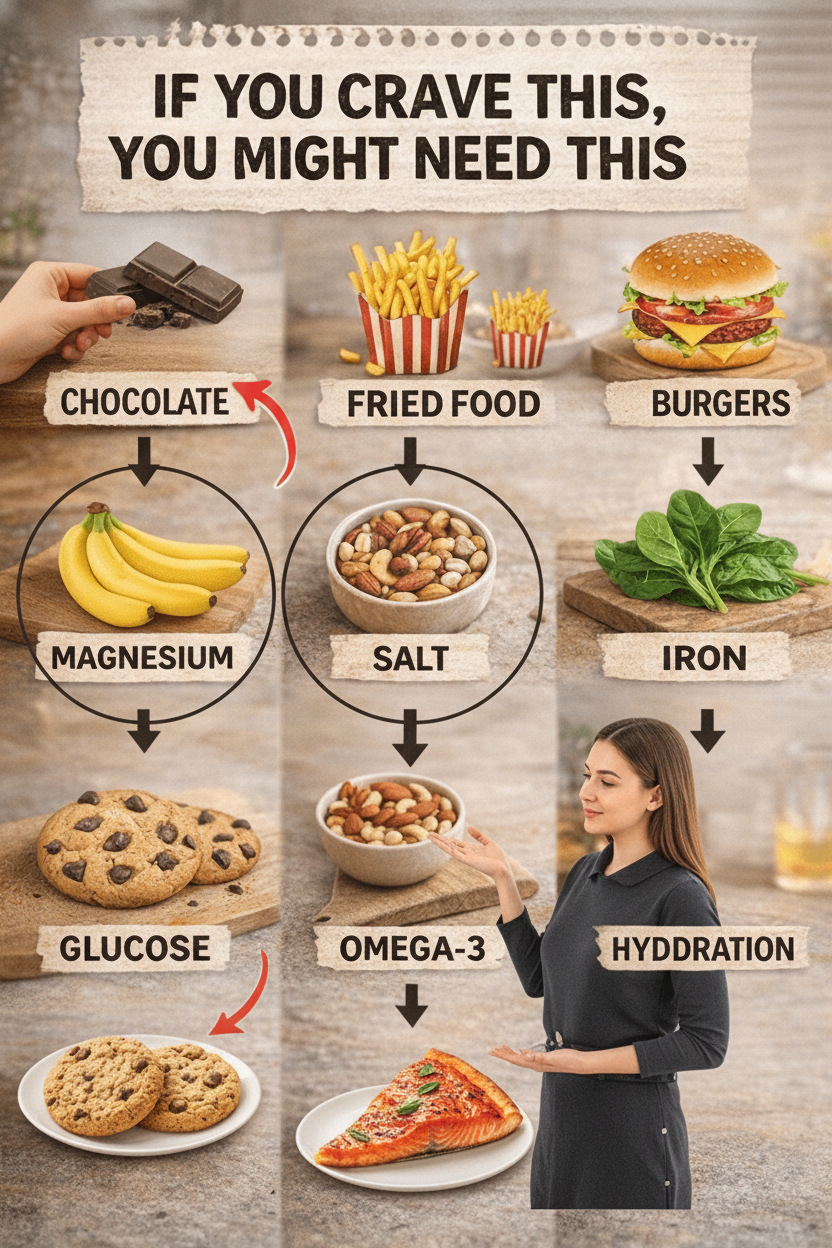
Chocolate consistently ranks as one of the most desired foods globally, particularly among women. This widespread craving is sometimes linked to magnesium, an essential mineral vital for over 300 bodily functions, including muscle relaxation, nerve transmission, energy production, and mood regulation. Dark chocolate does contain a notable amount of magnesium, and some theories suggest that lower magnesium levels might contribute to why individuals reach for it, especially during periods of stress or fatigue.
While scientific studies offer mixed conclusions—not every person experiencing chocolate cravings has a clinical magnesium deficiency—integrating magnesium-rich foods into your diet can often help foster a greater sense of balance and reduce the intensity of these urges.
Healthier Alternatives Rich in Magnesium:
- Fresh bananas for a naturally sweet and energy-boosting snack.
- A handful of almonds or pumpkin seeds, perfect for a crunchy, nutrient-dense treat.
- Dark leafy greens like spinach, easily incorporated into salads or cooked dishes.
- Whole grains such as quinoa or oats, which provide sustained energy and fiber.
These options deliver magnesium alongside other beneficial nutrients and fiber, promoting more stable energy levels throughout your day.
Craving Fried or Salty Foods? Consider Your Electrolyte Balance
The powerful pull towards crispy fries, potato chips, or other salty snacks often emerges after strenuous exercise, exposure to heat, or even a day with unusually low sodium intake. Sodium is a critical electrolyte that plays a key role in maintaining fluid balance, transmitting nerve signals, and facilitating muscle contractions. A strong craving for salty items can sometimes be your body’s way of signaling a need to replenish these electrolyte levels, especially if you’ve been sweating extensively or adhering to a very low-salt diet.
Smarter Swaps for Salty Cravings:
- Lightly salted nuts or seeds, offering healthy fats and protein.
- Greek yogurt with a small pinch of sea salt, providing protein and probiotics.
- Homemade vegetable soup, a hydrating and nutrient-packed option.
- Avocado sprinkled with a dash of sea salt, delivering healthy fats and potassium.
These alternatives naturally provide necessary sodium while also adding healthy fats, protein, and other nutrients to keep you feeling satisfied for longer.
Craving Burgers or Red Meat? Think About Iron Support
Intense urges for a juicy burger or a steak are quite common, particularly among individuals with higher iron requirements, such as menstruating women or very active people. Iron is indispensable for transporting oxygen throughout the blood and preventing feelings of fatigue and weakness. While not every craving for red meat indicates an iron deficiency, certain patterns suggest the body may be seeking out heme iron sources (which are more readily absorbed and found in animal products) when its stores begin to dip.
Nutrient-Focused Choices for Iron:
- Spinach or other dark leafy greens (boost absorption by pairing with vitamin C).
- Lentils, chickpeas, or various beans, excellent plant-based iron sources.
- Dried fruits like dates or apricots, convenient and naturally sweet.
- Eggs or lean poultry, providing easily absorbed iron.
Remember, combining plant-based iron sources with foods rich in vitamin C (like bell peppers, citrus fruits, or berries) significantly enhances the body’s natural iron uptake.
Craving Cookies or Sweets? Look at Blood Sugar Stability
The allure of sweet treats like cookies, candy, or pastries often becomes strongest when your energy levels plummet, perhaps after skipping meals or consuming a diet heavy in refined carbohydrates. This can lead to rapid fluctuations in blood sugar, triggering intense urges for a quick sugar fix. Maintaining stable glucose levels is key to breaking these craving cycles and sustaining consistent energy.
Practical Steps for Steadier Energy:
- Pair carbohydrates with protein and fiber (e.g., an apple with a spoonful of nut butter).
- Include a variety of non-starchy vegetables in every meal.
- Opt for whole grains over refined grains to slow down sugar absorption.
- Eat regular, balanced meals and snacks to prevent drastic energy dips.
This holistic approach helps to support consistent energy without the disruptive rollercoaster of sugar highs and lows.
Craving Pizza? Possibly a Call for Healthy Fats
Pizza’s irresistible combination of cheesy richness and satisfying dough might be linked to a broader desire for satiating fats. Essential fatty acids, particularly omega-3s, are crucial for brain health, mood regulation, and managing inflammation throughout the body. While pizza isn’t typically a prime source of these beneficial fats, the craving could reflect a subconscious need for more nutrient-dense fats in your diet.
Healthier Fat Sources to Explore:
- Chia seeds, easily sprinkled on yogurt, oatmeal, or blended into smoothies.
- Ground flaxseeds, a versatile addition to baked goods, cereals, or salads.
- Walnuts, a convenient and nutritious snack on their own.
- Fatty fish like salmon, mackerel, or sardines (if you consume fish), excellent sources of EPA and DHA.
Incorporating these foods provides vital omega-3s and other healthy fats that contribute significantly to overall wellness and satiety.
Craving Everything at Once? It Could Be Dehydration
When you feel an insatiable hunger, jumping from one food desire to another without anything truly satisfying you, dehydration can often be the sneaky culprit. Our brains sometimes confuse thirst signals with hunger or general cravings, leading us to seek food when what we truly need is water.
Quick Hydration Habits to Try:
- Keep a water bottle handy and sip throughout the day, even when not actively thirsty.
- Incorporate water-rich foods into your diet, such as cucumbers, watermelon, and oranges.
- Start your day with a glass of water to rehydrate after sleep.
- Consider herbal teas or infused water if plain water isn’t appealing.
Before reaching for another snack, try drinking a glass of water and waiting 15-20 minutes to see if the craving subsides.
Ultimately, your body is always communicating with you. By learning to listen to the nuanced messages behind your food cravings, you can move beyond simple indulgence and make more conscious choices that truly nourish your body and support your long-term health. If persistent cravings or concerns about nutrient deficiencies arise, consulting with a healthcare professional or a registered dietitian can provide personalized guidance and support.