 By admin
 9 Effective Ways to Stay Cool at Night Without a Fan
Sweltering, humid evenings often turn restful sleep into a frustrating battle against discomfort, leading to endless tossing and turning as perspiration dampens your bedding. While many instinctively turn to a fan for a refreshing breeze, continuous direct airflow isn’t universally beneficial. For some, it can exacerbate issues like dryness or irritation, further disrupting valuable sleep. The excellent news is that achieving a cool night’s rest without a fan is entirely possible through straightforward, natural methods that harmonize with your body and surroundings. Continue reading to discover these 9 practical strategies that could revolutionize your sleep on those particularly warm nights.
Why Some People Look for Ways to Stay Cool at Night Without a Fan
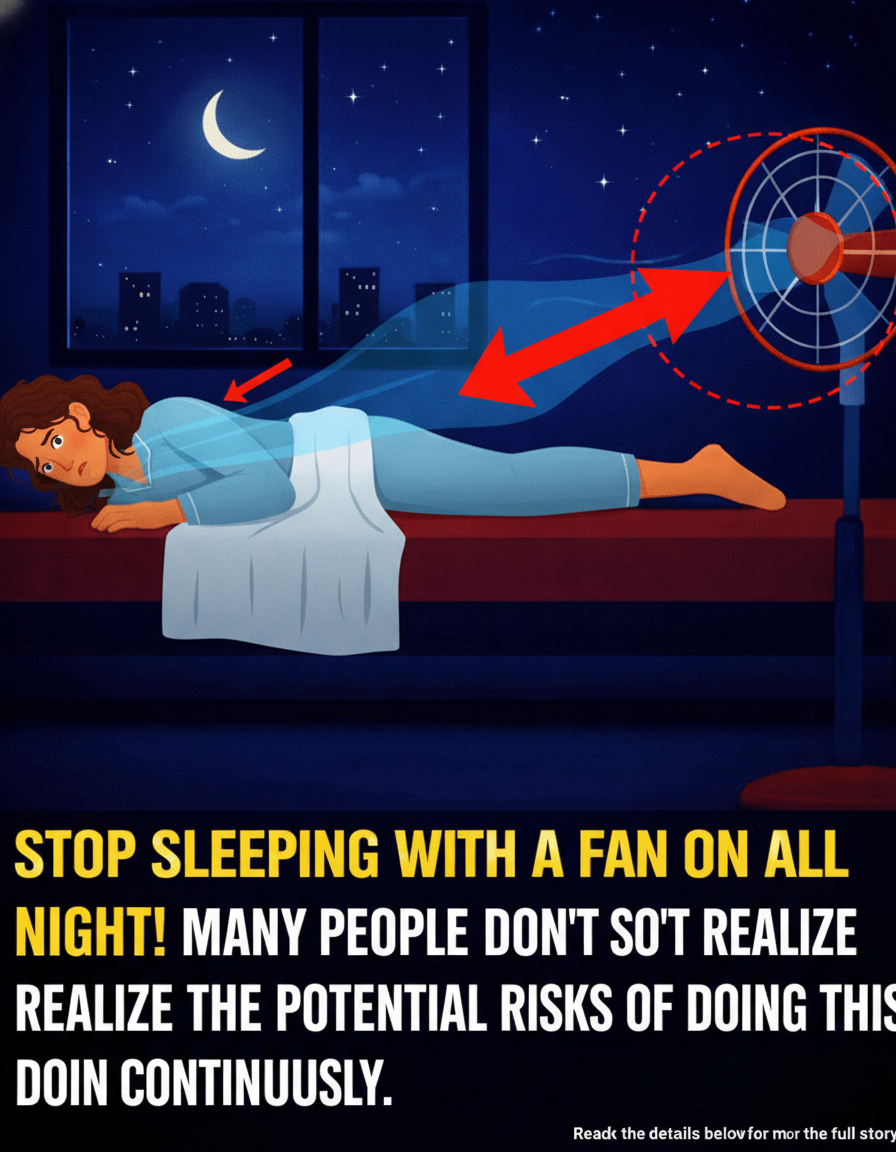
While fans offer immediate relief by circulating air, extended direct exposure can deplete moisture from the air you breathe. This often results in a parched sensation in your nose, throat, or skin upon waking. Furthermore, some individuals experience nasal congestion due to the constant circulation of dust or allergens, especially in less frequently cleaned bedrooms. Others report waking with stiff muscles or aching joints from a steady stream of cool air directed at one part of their body. If you’ve ever found yourself feeling less rested despite starting the night comfortably, these subtle yet disruptive effects might be the culprit. This is precisely why exploring alternatives is so valuable. Discovering how to effectively stay cool at night without a fan centers on naturally lowering your core body temperature and cultivating a more comfortable, breathable sleep environment.
The 9 Effective Ways to Stay Cool at Night Without a Fan
These accessible methods can be easily implemented in your home, often utilizing common household items or simple behavioral adjustments. Many individuals report these techniques offer gentle yet highly effective relief during periods of intense heat.
- Create a Natural Cross-Breeze
Maximize airflow by opening windows positioned on opposing sides of your residence once the evening temperatures begin to drop. This simple action enables cooler, fresher outside air to flow freely, naturally reducing the room’s temperature without needing any powered device. During daylight hours, keep curtains or blinds closed to prevent solar heat gain. Then, as twilight approaches, allow that refreshing air to circulate. Don’t forget to use screens to keep insects out while you enjoy the soothing draft.
- Choose Breathable Bedding Materials
Opt for bedding crafted from lightweight, breathable materials such as pure cotton or linen, which facilitate easy air circulation. These natural fibers excel at wicking moisture away from your skin, significantly contributing to your ability to stay cool at night without a fan. Steer clear of dense synthetic fabrics or bulky comforters, as these tend to trap heat. On balmy evenings, a single sheet or a thin blanket is often all you need for optimal comfort.
- Take a Lukewarm Shower Before Bed
A brief, lukewarm shower before bed can gently yet effectively reduce your core body temperature. The subsequent evaporation of water from your skin generates a natural cooling sensation that can persist for hours, aiding your sleep. For many, this calming ritual not only signals the transition to sleep but also proves instrumental in staying cool at night without a fan. Lightly pat yourself dry, allowing a slight amount of moisture to remain on your skin to enhance this evaporative cooling.
- Chill Your Sheets or Pillow
For immediate relief, put your pillowcase or top sheet into a plastic bag and place it in the freezer for 30 to 60 minutes before you go to bed. The refreshing chill of the fabric against your skin offers instant comfort. This straightforward method is highly effective for many in staying cool at night without a fan, particularly during heatwaves. Remember to avoid direct contact with ice to prevent any discomfort.
- Stay Hydrated Throughout the Day
Consistent hydration is crucial for your body’s ability to regulate its internal temperature effectively. When your skin is adequately hydrated, it can release heat more efficiently, thereby minimizing that uncomfortable overheated sensation during the night. Aim to sip water steadily throughout the day instead of consuming large quantities right before bed. For an added refreshing touch, consider infusing your water with slices of cucumber or mint.
- Apply Cool Compresses to Pulse Points
Moisten a soft cloth with cool water and apply it to your pulse points, such as your wrists, neck, or the tops of your feet. These specific areas are where blood vessels lie closest to the surface of the skin, meaning that cooling them can rapidly reduce your overall body temperature. This technique offers a simple yet effective strategy to stay cool at night without a fan, especially if you find yourself waking up feeling warm. Re-wet the cloth as necessary to maintain continuous comfort.
- Wear Loose, Lightweight Sleepwear — Or None
Choose sleepwear made from breathable fabrics like cotton, or opt for lightweight shorts and a tank top. Alternatively, sleeping without any clothing permits maximum air circulation around your body, further aiding in heat dissipation. The primary objective is to minimize layers that could trap heat, prioritizing comfort above all. Many individuals find this particular adjustment makes a significant and noticeable difference in their ability to stay cool at night without a fan.
- Keep Your Room Dark and Blocked from Daytime Heat
Employ blackout curtains or shades to effectively block out sunlight and prevent your bedroom from accumulating heat throughout the day. Starting with a cooler sleep environment significantly reduces the effort required to stay cool at night without a fan. Draw your blinds early in the day and minimize the use of heat-emitting lights or electronic devices in the evening. Strategically placed indoor plants near windows can also contribute by filtering and subtly cooling the air entering your room.
- Eat Light and Avoid Heat-Producing Foods
Consuming heavy, spicy, or hot meals can elevate your internal body temperature during the digestion process. For better sleep, prioritize lighter, cooler food options in the evening, such as fresh salads or fruits. Aim to finish your dinner a few hours before bedtime, allowing your body ample time to digest and cool down naturally before you attempt to sleep.