 By admin
 Do you frequently experience mornings where you feel inexplicably sluggish, a mild headache persists, or even routine tasks seem overly demanding? Perhaps by afternoon, your mood dips, focus wavers, and an uncomfortable dry mouth becomes a constant companion. These common daily struggles often point to a single, frequently overlooked culprit: insufficient water intake. Mild dehydration often develops subtly, impacting your energy levels, cognitive function, and overall well-being in ways you might not immediately attribute to a lack of fluids. The positive news is that by learning to identify these early warning signs, you can quickly rehydrate, rebalance your system, and feel significantly better. This comprehensive guide will delve into the most prevalent indicators that your body isn’t receiving enough water, supported by expert health insights. Read on to discover actionable strategies that can revolutionize your daily hydration habits—including a vital tip many people tend to overlook.
The Indispensable Role of Water in Your Health
Comprising approximately 60% of your body weight, water is fundamental to virtually every physiological process. Its critical functions range from maintaining optimal body temperature and facilitating nutrient delivery to cells, to efficiently flushing out waste products. When your fluid intake is inadequate, even slightly, your body intelligently allocates its limited resources to vital organs, often at the expense of other functions, resulting in noticeable symptoms. Research, such as findings from the University of Connecticut’s Human Performance Laboratory, consistently demonstrates that even a modest 1-2% reduction in hydration can significantly impair mood, energy levels, and overall cognitive function. Leading health organizations like the Mayo Clinic and Cleveland Clinic further highlight that the sensation of thirst often signals that dehydration has already set in, a particularly relevant point for older adults. But the impacts extend beyond this—let’s explore the key indicators you should be aware of.
8 Critical Warning Signs Your Body is Lacking Hydration
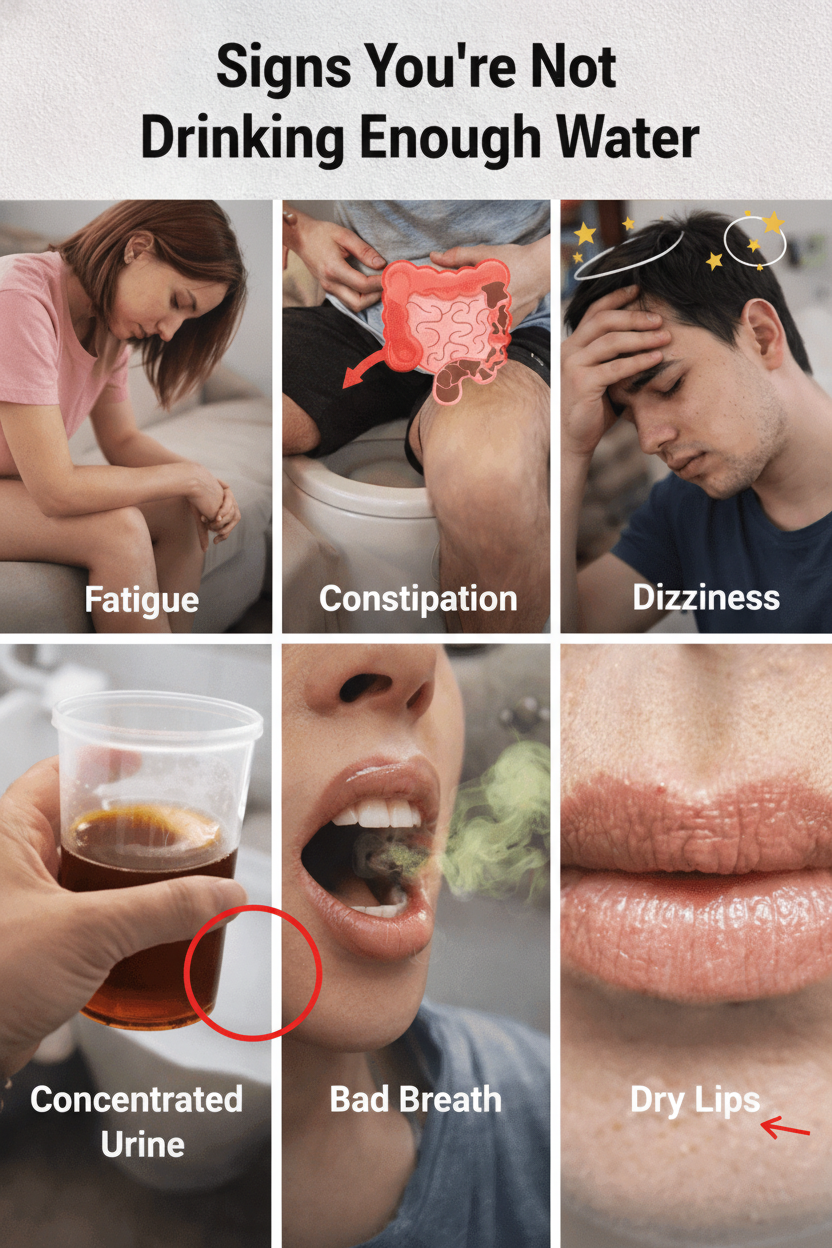
1. Unexplained Fatigue and Diminished Energy Levels
Are you constantly battling tiredness, even after a full night’s rest? Dehydration directly impacts your circulation by decreasing blood volume, which in turn makes it more challenging for oxygenated blood to efficiently reach your muscles and brain. This physiological response often manifests as a pervasive feeling of heaviness and exhaustion, even during periods of inactivity. Extensive research consistently shows that even mild dehydration can significantly amplify feelings of fatigue and increase the perceived effort required for daily tasks. If you frequently experience an unprompted afternoon slump or general sluggishness, inadequate fluid intake might be a primary factor.
2. Digestive Issues and Constipation
Proper hydration is essential for a healthy digestive system, primarily by ensuring adequate moisture to soften stool. When your body lacks sufficient fluids, stool consistency hardens, frequently resulting in infrequent, strained, or difficult bowel movements. Many individuals report significant improvement and regularity in their digestive health simply by boosting their daily water consumption, as proper hydration facilitates smoother intestinal transit and helps prevent waste accumulation.
3. Episodes of Dizziness or Lightheadedness
A reduction in your body’s fluid volume can lead to a temporary drop in blood pressure, particularly noticeable when you rapidly change positions, such as standing up quickly. This physiological response often manifests as feelings of dizziness, lightheadedness, or a brief “head rush.” The Cleveland Clinic identifies this as a quintessential symptom of mild dehydration, frequently alleviated by simply sitting down and slowly rehydrating with water.
4. Dark, Concentrated Urine
Among the most straightforward and reliable indicators of your hydration status is the color of your urine. Ideally, well-hydrated individuals will have pale yellow or nearly clear urine. Conversely, urine that appears dark yellow, amber, or possesses a strong odor is a clear sign of concentration due to inadequate fluid intake. Health professionals universally advise making this a daily self-assessment, as it offers a quick and accurate gauge of your body’s hydration needs.
5. Persistent Dry Mouth and Halitosis (Bad Breath)
When your body experiences dehydration, saliva production significantly decreases. Saliva acts as a natural cleanser, and its reduction allows bacteria to proliferate unchecked within the oral cavity. This bacterial overgrowth leads to persistent halitosis, commonly known as bad breath, accompanied by an uncomfortable, sticky, and dry sensation in the mouth. Unlike fleeting oral discomfort, this condition typically persists and only resolves once your hydration levels are adequately restored.
6. Heightened Anxiety and Irritability
The impact of dehydration extends to your neurological well-being, directly influencing brain function and delicate hormonal balance. Even subtle fluid deficits can intensify your body’s stress response, manifesting as feelings of nervousness, heightened irritability, or general anxiety. Numerous studies have established a clear correlation between insufficient hydration and adverse mood alterations, including diminished vigor and elevated levels of tension. Maintaining proper hydration is therefore crucial for emotional stability.
7. Recurring Headaches
Your brain is enveloped in cerebrospinal fluid, which acts as a protective cushion. When you become dehydrated, this fluid volume can temporarily diminish, causing the brain to slightly contract and pull away from the skull. This physical tension on pain-sensitive membranes and structures within the cranium is a common trigger for headaches. Many individuals find rapid alleviation from these “dehydration headaches” simply by rehydrating, a phenomenon frequently observed in clinical practice and affirmed by headache research organizations.
8. Dry, Cracked, or Chapped Lips
Unlike other skin areas, your lips do not possess oil glands and are therefore highly dependent on your body’s internal hydration levels. Consequently, dry, cracked, or peeling lips are often among the earliest and most visible indicators of developing dehydration. This easily observable symptom acts as an immediate visual cue, prompting you to replenish your fluid intake.
To help you quickly assess your own hydration status, here’s a concise overview based on these common indicators:
- Optimal Hydration: Characterized by clear or pale yellow urine, a naturally moist mouth, and consistent energy levels throughout the day.
- Mild Dehydration: Often presents with darker urine, a sensation of dry lips or mouth, and subtle symptoms like mild fatigue or a headache.
- Significant Dehydration: Indicated by symptoms such as dizziness, noticeably strong bad breath, and pronounced, persistent tiredness.
Actionable Strategies to Boost Your Daily Hydration
Integrating more water into your routine doesn’t have to be a daunting task. By adopting these practical habits, you can significantly improve your fluid intake and overall well-being:
- Establish a Daily Goal: A general guideline suggests aiming for approximately 11.5 cups (2.7 liters) of fluids daily for women and 15.5 cups (3.7 liters) for men, including water from food and other beverages. Adjust this based on your activity level, climate, and health conditions.
- Start Your Day Hydrated: Drink a large glass of water immediately upon waking. This kick-starts your metabolism and replenishes fluids lost overnight.
- Keep Water Accessible: Always have a reusable water bottle within reach at your desk, in your bag, or by your bedside. Seeing it serves as a constant visual reminder.
- Schedule Hydration Breaks: Set reminders on your phone or computer to drink water every hour or two. Treat these as mini-breaks for your health.
- Infuse Your Water: If plain water isn’t appealing, try adding slices of fruit (lemon, cucumber, berries), herbs (mint), or a splash of natural juice to enhance flavor without excessive sugar.
- Incorporate Hydrating Foods: Many fruits and vegetables, such as watermelon, cucumbers, oranges, and spinach, have high water content and contribute significantly to your daily fluid intake.
- Monitor Your Urine Color: As discussed, this is a simple, effective way to gauge your hydration levels throughout the day. Strive for pale yellow.
Final Thoughts on Prioritizing Hydration
Understanding and responding to your body’s early signals of dehydration is crucial for maintaining optimal health. By proactively addressing these warning signs and integrating consistent hydration habits into your daily life, you can enhance your energy, sharpen your focus, improve your mood, and support virtually every bodily function. Make hydration a cornerstone of your wellness routine, and experience the profound difference it can make.