 By admin
 Unmasking the Viral Toothpaste & Lemon Skincare Trend: Risks and Safer Alternatives
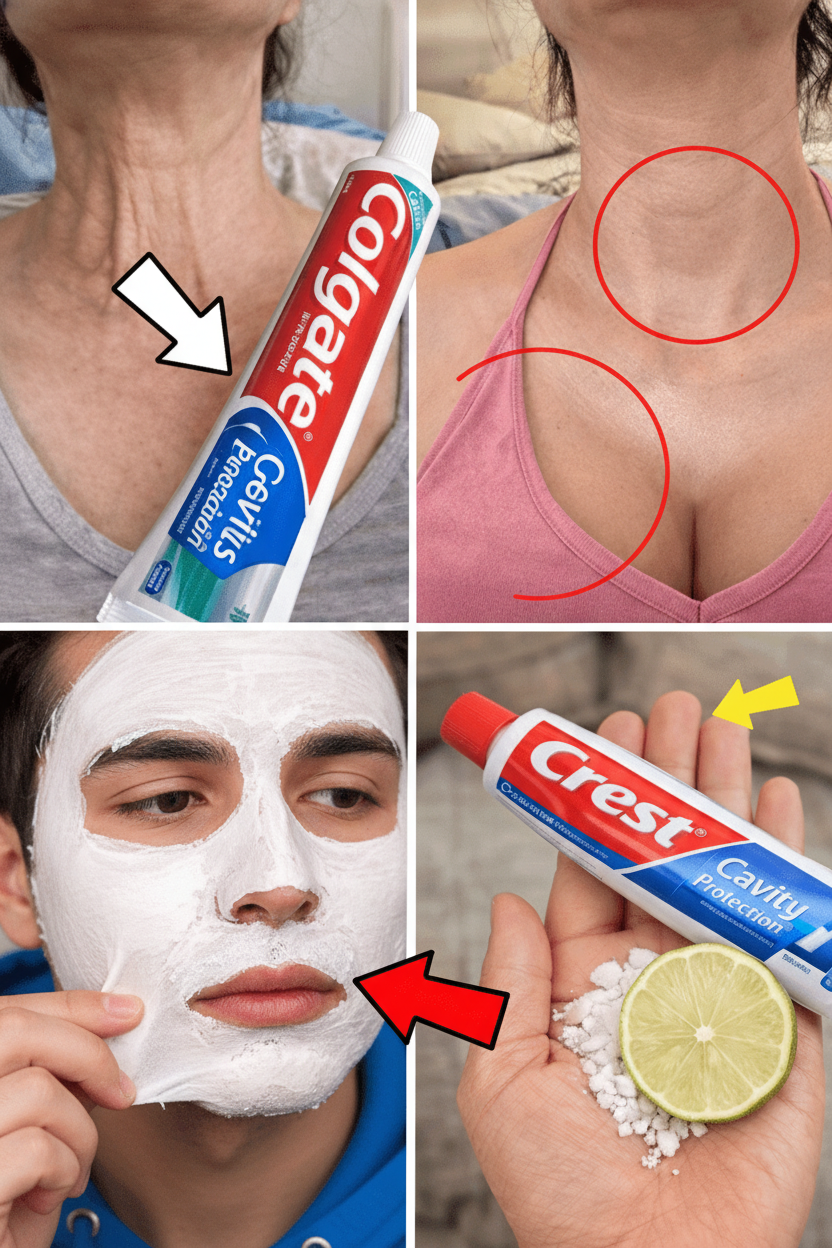
In the ever-evolving world of social media, new beauty trends emerge daily, often promising miraculous results with simple, DIY concoctions. One such viral sensation involves people applying a homemade mixture of common household items to their skin, particularly on visible areas like the neck, hands, and arms. This trend, prominently featured across various platforms, has garnered significant attention, with users sharing captivating before-and-after photos claiming smoother skin texture and a more even, youthful tone, akin to professional cosmetic treatments.
The popular recipe typically features white toothpaste (often a brand like Colgate), fresh lemon or lime juice, and sometimes additional kitchen staples like baking soda. While the allure of quick, affordable, and accessible beauty hacks is undeniable, it’s crucial to approach such DIY skincare methods with extreme caution. Understanding both the appeal and the potential dangers is paramount for maintaining skin health.
Why Hands and Arms Often Reveal Early Signs of Aging
The skin on our hands and arms is frequently exposed to environmental aggressors, making it particularly vulnerable to showing premature signs of aging. Unlike facial skin, these areas are often overlooked in daily skincare routines, leading to:
- Constant UV Exposure: Sunlight is a primary culprit, leading to sun spots (also known as age spots or liver spots) and accelerating collagen and elastin breakdown.
- Reduced Collagen and Elastin: Over time, the natural decline in these vital proteins results in thinner, less firm skin, contributing to a crepey texture and fine lines.
- Frequent Washing and Dryness: Repeated hand washing, especially with harsh soaps, strips the skin of its natural oils, leading to chronic dryness that accentuates wrinkles and texture.
- Environmental Factors: Wind, pollution, and temperature fluctuations further contribute to skin dehydration and damage.
Given these factors, it’s no surprise that many individuals seek effective ways to rejuvenate and protect these visible areas of skin at home. However, the promise of rapid transformations often found in social media trends doesn’t always align with scientific evidence or safety standards.
Decoding the Trending Mixture: Ingredients and Application
Online videos and posts frequently demonstrate the preparation and application of this specific DIY remedy. The common components and steps users share (for informational purposes only, not a recommendation) include:
- Ingredients: A small amount of plain white toothpaste (typically a menthol-based variety), freshly squeezed lemon or lime juice, and occasionally a pinch of baking soda for added texture.
- Preparation: The lemon/lime juice is squeezed into a small bowl, followed by a pea-sized dab of toothpaste. These are then mixed into a paste, sometimes with a few drops of water or baking soda to achieve the desired consistency.
- Application: The mixture is gently applied to clean, dry skin on targeted areas such as the neck, hands, or arms.
- Duration: Users typically leave the concoction on for 5-10 minutes, or less if any tingling or discomfort occurs.
- Rinsing and Aftercare: The skin is then thoroughly rinsed with lukewarm water, followed by immediate moisturization.
Advocates of this trend suggest that the abrasive quality of toothpaste, combined with the natural acids in lemon, acts as an exfoliant and brightener. Lemon, rich in vitamin C and citric acid, is sometimes cited for its potential to support brighter-looking skin through gentle surface renewal. However, this is where the scientific understanding diverges sharply from the anecdotal claims.
The Dermatological Verdict: Why Experts Strongly Advise Against This Trend
Despite the viral popularity and tempting claims, dermatologists and skin health experts universally caution against applying toothpaste and raw lemon juice to the skin. The reasons are rooted in fundamental skin biology and product formulation:
- Toothpaste Ingredients are Not for Skin: Toothpaste contains ingredients like fluoride, menthol, sodium lauryl sulfate (SLS), and abrasive agents specifically designed for dental hygiene. These components can be highly irritating and drying to delicate skin, leading to redness, flaking, allergic reactions (contact dermatitis), and even chemical burns.
- Lemon Juice’s High Acidity: Raw lemon juice has a very low pH (highly acidic), which can severely disrupt the skin’s natural protective barrier. This disruption makes the skin more vulnerable to irritation, inflammation, and moisture loss. More critically, lemon juice is a potent photosensitizer. Applying it to the skin can significantly increase sensitivity to UV radiation, leading to severe sunburns, hyperpigmentation (dark spots that can be worse than existing ones), and phytophotodermatitis (a severe skin reaction triggered by light exposure after contact with certain plant compounds).
- Baking Soda’s High Alkalinity: If added, baking soda (sodium bicarbonate) has a very high pH, which further exacerbates the skin’s pH imbalance, potentially damaging the acid mantle and impairing barrier function.
While vitamin C from citrus fruits can indeed benefit the skin, it must be delivered in a stable, properly formulated topical product designed for skincare. Raw lemon juice, as highlighted by extensive dermatological research and health resources, often causes more harm than good, especially on sensitive, mature, or compromised skin.
The unequivocal bottom line: This DIY mixture is not a recommended or safe routine for improving skin appearance.
Gentler, Expert-Approved Ways to Achieve Smoother, Even-Toned Skin
Instead of relying on potentially harmful DIY hacks, focus on consistent, evidence-based skincare practices that promote healthy, radiant skin. Experts recommend a holistic approach centered on protection, hydration, and gentle renewal:
-
Daily Broad-Spectrum Sun Protection
UV exposure is the leading cause of premature aging, hyperpigmentation, and loss of skin elasticity. Apply a broad-spectrum sunscreen with an SPF of 30 or higher daily to your hands, arms, and neck, even on cloudy days or when indoors near windows. Reapply frequently, especially after washing hands or sweating.
-
Consistent Hydration and Barrier Support
Drink plenty of water throughout the day to support internal hydration. Topically, use rich hand and body creams containing humectants like hyaluronic acid or glycerin, which draw moisture into the skin. Look for products with ceramides or fatty acids to help strengthen the skin’s natural barrier, preventing moisture loss and protecting against irritants.
-
Gentle Chemical Exfoliation
Instead of harsh physical scrubs or abrasive toothpaste, opt for mild chemical exfoliants 2-3 times a week. Ingredients like lactic acid (an AHA) or low-percentage glycolic acid can gently remove dead skin cells, improve texture, and promote a more even skin tone without causing irritation.
-
Topical Antioxidant Serums
Incorporate stable, well-formulated vitamin C serums into your routine. Vitamin C is a powerful antioxidant that helps brighten uneven skin tone, reduce the appearance of dark spots, and protect against environmental damage. Ensure the product is designed for topical application and is suitable for your skin type.
-
Targeted Overnight Treatments
For crepey skin or intense dryness, consider applying a thick, occlusive cream or an overnight mask before bed. Ingredients like shea butter, urea, or petrolatum can provide deep moisturization and help repair the skin barrier while you sleep.
By embracing these safer, dermatologist-recommended practices, you can effectively support your skin’s natural appearance, improve texture, and achieve a more even tone without risking irritation or long-term damage. Always prioritize products and methods backed by scientific research and professional guidance over unverified social media trends.