 By admin
 Optimizing Prostate Comfort: 10 Daily Habits for Men Over 60
Experiencing frequent nighttime bathroom trips, a weaker urine flow, or a sudden, urgent need to urinate can become a challenging part of daily life for many men as they reach their sixties and beyond. These common urinary changes often signal the natural enlargement of the prostate gland, a condition known as benign prostatic hyperplasia (BPH), which affects millions globally with advancing age. The resulting discomfort can disrupt sleep, restrict social activities, and diminish overall quality of life, often leaving men feeling fatigued and less in control.
However, there’s encouraging news: a growing body of research suggests that specific daily routines and lifestyle choices can significantly influence prostate comfort. Studies consistently link factors such as physical activity levels, dietary patterns, and stress management to the severity of urinary symptoms in older men. Making small, practical adjustments to everyday habits could lead to a noticeable improvement in supporting prostate health and comfort. Are you curious to discover which habits might be impacting your well-being? Let’s delve into the top 10 daily practices that research indicates can influence prostate health after 60—and explore simple, actionable steps to shift them for the better.
Understanding Prostate Changes with Age
As men age, the prostate gland, a small gland located just below the bladder, typically undergoes a gradual enlargement. This growth can exert pressure on the urethra, the tube that carries urine out of the body, leading to common urinary challenges. These issues include more frequent urination, particularly at night (nocturia), difficulty initiating urination (hesitancy), or a persistent feeling of incomplete bladder emptying. Benign prostatic hyperplasia (BPH) is remarkably prevalent; statistics show that a significant majority of men experience some degree of BPH by age 60, with incidence increasing further in later years.
While unchangeable factors like age and genetics play primary roles in prostate enlargement, epidemiological research highlights that lifestyle elements, such as a sedentary routine, certain dietary patterns, and excess body weight, may contribute to increased inflammation or intensify existing symptoms. The positive aspect is that these lifestyle factors are not fixed. Modifying daily habits offers a practical and empowering approach to fostering better urinary flow and enhancing overall comfort. But there’s more to uncover—let’s explore the specific routines that studies emphasize as influential.
10 Everyday Habits That May Influence Prostate Comfort
While individual experiences vary, evidence from leading health organizations and numerous studies consistently points to these habits as potential contributors to prostate-related urinary changes. Here’s a closer look at each, ranging from frequently overlooked aspects to common daily oversights.
10. Insufficient Hydration
Many men consciously reduce fluid intake, especially in the evenings, hoping to minimize nighttime bathroom visits. However, this strategy can often be counterproductive. Inadequate hydration leads to more concentrated urine, which may irritate the bladder lining and contribute to feelings of discomfort. Research consistently underscores the importance of consistent hydration for optimal urinary tract health. A useful guideline is to aim for pale yellow urine throughout the day, achieved by sipping water steadily rather than consuming large volumes all at once.
Quick tip: Keep a water bottle readily accessible and take small sips hourly. This approach supports healthy bladder function without overwhelming your system.
9. Prolonged Periods of Sitting
Spending extended hours sitting places sustained pressure on the pelvic region and can impede healthy blood circulation to the area. Reduced blood flow over time may foster low-grade inflammation within the prostate and surrounding tissues. Studies examining sedentary behavior have established a clear link between prolonged sitting and a higher risk of developing urinary symptoms in men.
Action step: Set an alarm to stand up and stretch or move every 30-60 minutes. Even a brief walk around your office or home can significantly improve circulation and reduce pelvic pressure.
8. High Caffeine Intake
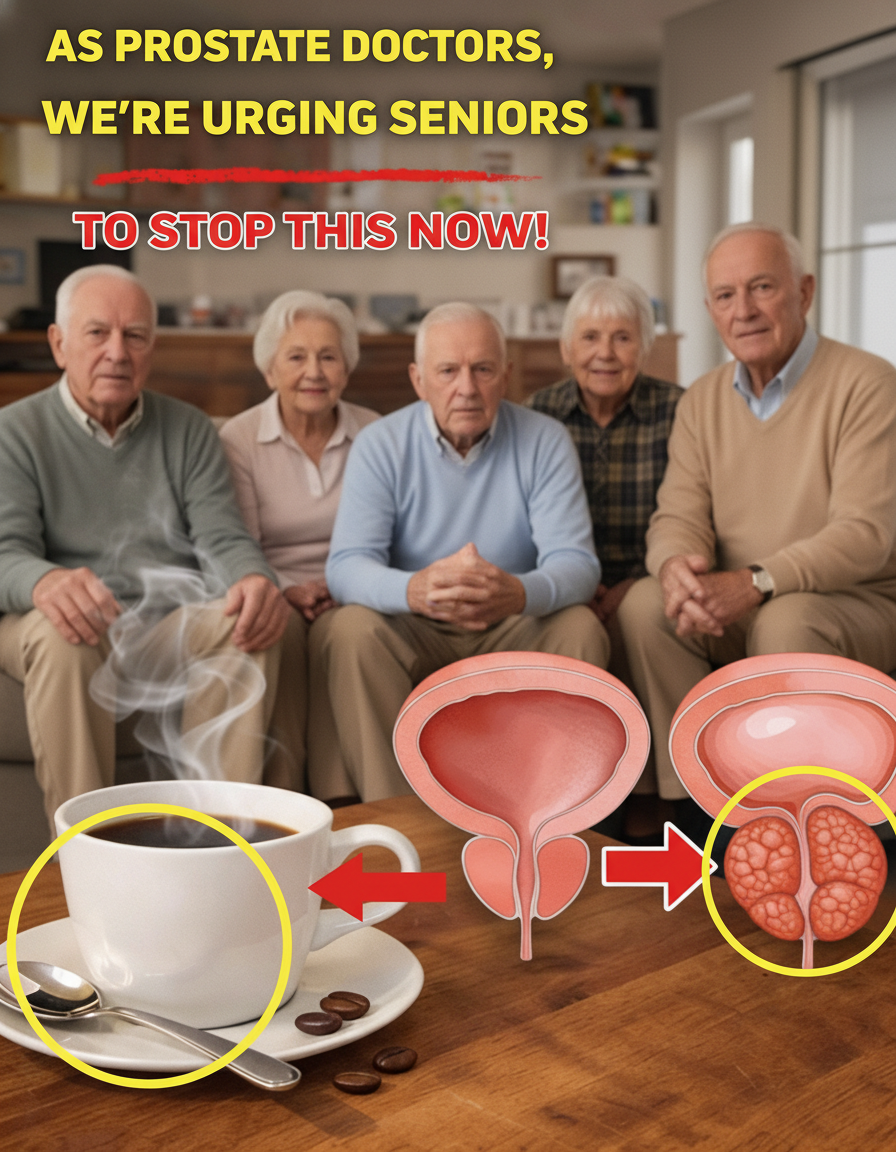
Caffeine is a well-known diuretic, meaning it increases urine production, and it can also stimulate bladder contractions. For some men with an enlarged prostate, excessive consumption of caffeinated beverages like coffee, tea, or energy drinks may exacerbate urinary urgency and frequency. Numerous health sources recommend moderating caffeine intake if you’re experiencing prostate-related discomfort.
Practical adjustment: Limit your intake to 1-2 caffeinated beverages, consumed earlier in the day. Consider switching to decaffeinated options or soothing herbal teas, such as chamomile or peppermint, in the afternoon and evening.
7. Frequent Spicy or Processed Foods
Foods that are heavily spiced, high in sodium, unhealthy trans fats, or artificial additives can contribute to systemic inflammation throughout the body. This generalized inflammation may, in turn, aggravate irritation in the urinary tract and prostate. Observational studies have indicated an association between diets rich in highly processed foods and an increased prevalence of lower urinary tract symptoms.
Easy swap: Prioritize a diet focused on fresh, whole foods, including a wide array of vegetables, fruits, and lean proteins. Experiment with milder seasonings and natural herbs to enhance flavor without causing irritation.
6. Delaying Bathroom Visits
Consistently holding urine for extended periods stretches the bladder beyond its comfortable capacity and can increase pressure on the surrounding organs, including the prostate. This habit may make it more challenging for the bladder to empty completely when you finally do go. Urological guidelines emphasize that responding promptly to the urge to urinate supports healthier bladder habits and reduces strain.
Simple habit: Go to the bathroom as soon as you feel the need, even if it feels slightly inconvenient. This practice helps prevent overstretching of the bladder and promotes efficient emptying.
5. Smoking Exposure
Tobacco use is a significant contributor to oxidative stress and inflammation throughout the entire body, including the delicate tissues of the prostate gland. Extensive research reviews consistently demonstrate a strong association between smoking and the worsening of prostate conditions, including BPH symptoms. The harmful chemicals in tobacco can damage cells and hinder the body’s natural healing processes.
Supportive change: Quitting smoking is one of the most impactful steps you can take for your overall health, including prostate comfort. Additionally, limit your exposure to secondhand smoke whenever possible.
4. Lack of Regular Physical Activity
A sedentary lifestyle, characterized by minimal physical movement, has been linked to various health issues, including those affecting the prostate. Regular physical activity helps maintain a healthy weight, improves circulation to the pelvic area, and reduces systemic inflammation. Studies suggest that men who engage in moderate to vigorous exercise tend to experience fewer and less severe urinary symptoms associated with BPH compared to their less active counterparts.
Action step: Aim for at least 30 minutes of moderate-intensity activity most days of the week. This could include brisk walking, swimming, cycling, or light resistance training. Even short bursts of activity throughout the day can be beneficial.
3. Excessive Alcohol Consumption
While moderate alcohol intake may not pose a significant risk for everyone, excessive consumption, particularly of certain types of alcohol like beer, can act as a bladder irritant and a diuretic. This can lead to increased urine production, greater urgency, and more frequent trips to the bathroom, especially at night. Alcohol can also contribute to dehydration and inflammation, potentially exacerbating prostate-related discomfort.
Practical adjustment: If you consume alcohol, do so in moderation. Consider limiting intake, especially in the hours before bedtime, and be mindful of how different types of alcohol affect your symptoms.
2. Unhealthy Dietary Patterns
A diet consistently high in red and processed meats, saturated fats, and refined sugars, while lacking in fruits, vegetables, and whole grains, can contribute to chronic inflammation and oxidative stress. Such dietary patterns are often associated with obesity, which is a known risk factor for more severe BPH symptoms. Conversely, a diet rich in plant-based foods, healthy fats (like those found in avocados and olive oil), and omega-3 fatty acids is protective.
Easy swap: Embrace a more plant-forward diet. Increase your intake of colorful fruits and vegetables, whole grains, nuts, seeds, and lean protein sources like fish and poultry. Limit red meat and processed foods.
1. Unmanaged Chronic Stress
Chronic stress can have a profound impact on the entire body, including the urinary system. When the body is under constant stress, it releases hormones that can increase muscle tension, including in the pelvic floor, and may heighten bladder sensitivity. This can lead to an increase in urinary urgency and frequency, even in the absence of significant prostate enlargement. The mind-body connection is powerful, and managing stress is crucial for overall well-being and prostate comfort.
Supportive change: Incorporate stress-reduction techniques into your daily routine. This could include mindfulness meditation, deep breathing exercises, yoga, spending time in nature, or engaging in hobbies you enjoy. Adequate sleep is also vital for stress management.
Empowering Your Prostate Health
While the natural changes associated with aging are inevitable, the degree of prostate discomfort you experience is not entirely beyond your control. As we’ve explored, many everyday habits, from what you eat and drink to how you move and manage stress, can significantly influence your prostate health and overall urinary comfort. The good news is that even small, consistent adjustments to these routines can yield noticeable benefits.
By adopting a proactive approach to your lifestyle, you can play a crucial role in supporting your prostate and enhancing your quality of life after 60. Remember, these suggestions are general guidelines. If you are experiencing persistent or worsening urinary symptoms, it is always recommended to consult with a healthcare professional. They can provide an accurate diagnosis, rule out more serious conditions, and offer personalized advice tailored to your specific health needs.