 By admin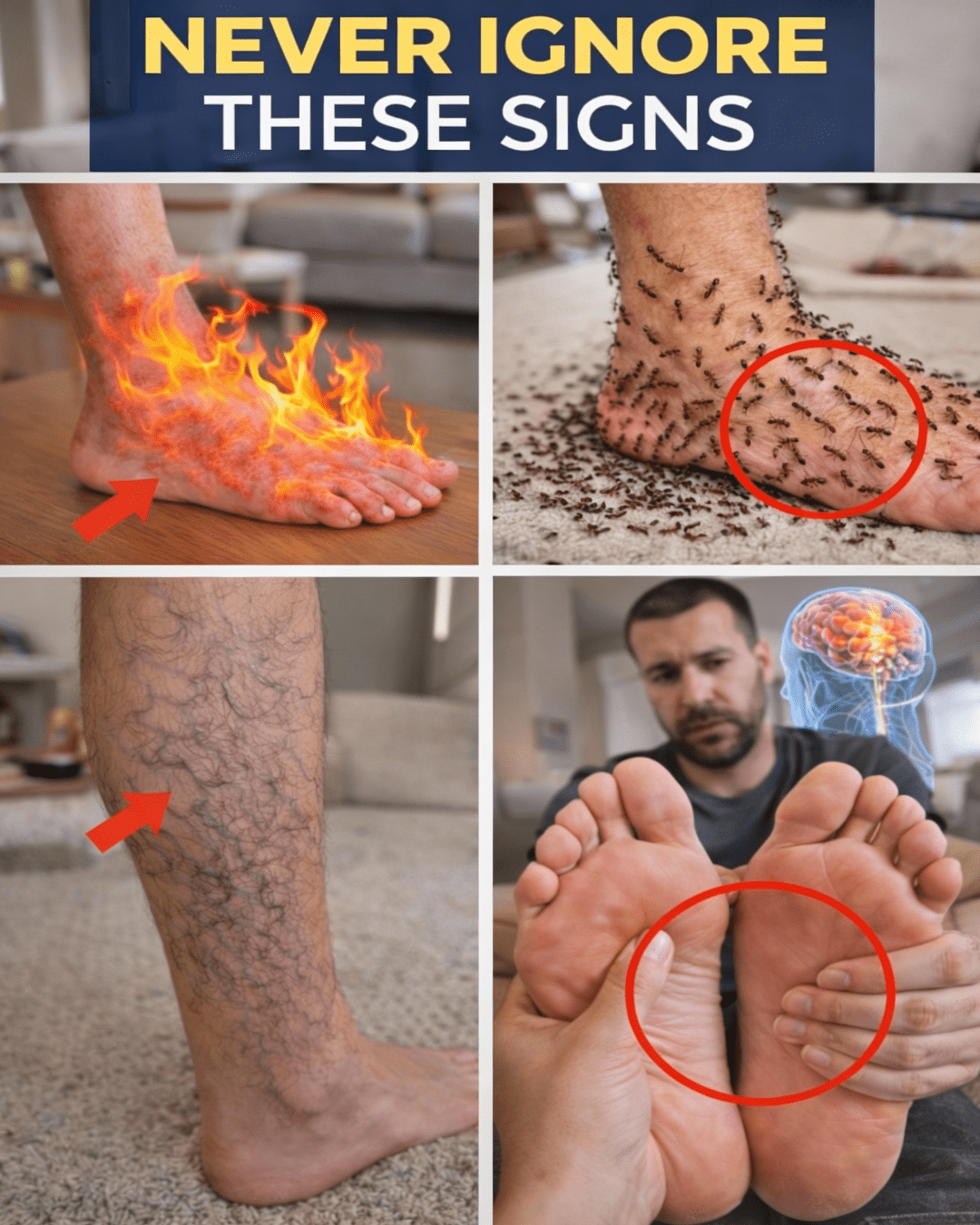
You might be noticing strange little sensations in your toes—maybe a faint prickling, a touch of warmth, or moments when your socks feel oddly tight. At first, it’s easy to ignore these feelings or blame them on tired feet after a long day. But these subtle changes can be early clues that the nerves in your extremities are not functioning quite as they should. Many people wait until the discomfort becomes constant or spreads before seeking help, which can make managing the issue more challenging. The good news? Recognizing these quiet signals early gives you the best chance to take simple, supportive steps for your nerve health—before they start affecting your daily life. In this article, we’ll walk through the 8 most common early signs and reveal one surprising pattern that connects them all.

Why Nerve Symptoms Frequently Start in the Toes
The peripheral nerves act like long communication cables running from your spinal cord all the way to your fingertips and toes. The nerves that reach your toes are the longest in the body, so they’re often the first to show signs of irritation or damage. Research from institutions like the Mayo Clinic and Cleveland Clinic shows that conditions affecting nerve health—such as prolonged high blood sugar, certain vitamin deficiencies, or other common health factors—typically produce symptoms in a “length-dependent” pattern, starting at the toes and gradually moving upward if unaddressed.
But here’s the hopeful part: because these changes usually develop slowly, you have time to notice them and respond thoughtfully.
1. Tingling or “Pins-and-Needles” Sensations
The most frequently reported early sign is a mild tingling or prickling feeling in one or more toes.
It often feels like your foot is “waking up” after being asleep, but without any clear reason.
Many people notice it more at night or when resting.
This happens because irritated nerves send scrambled signals to the brain.
But that’s not all—if the tingling keeps returning or starts spreading to other toes, it’s worth keeping track.

2. Numbness or Reduced Feeling
You might realize you’re less aware of light touch on your toes.
Perhaps you don’t notice if a pebble is in your shoe or if the bath water is hotter than usual.
Doctors often describe this as a “stocking” pattern of reduced sensation.
Over time, small cuts or blisters can go unnoticed, increasing the risk of infection.
Early recognition lets you check your feet more carefully.
3. Burning or Warm Sensations
A persistent warm, burning feeling in the toes or soles is another common early clue.
It can feel like your feet are too hot even when uncovered.
Interestingly, many people report this discomfort gets worse at night, making it harder to fall asleep.
This sensation often stems from nerves sending exaggerated heat signals.
Here’s something important: cooling your feet gently may bring temporary relief.
4. Sharp, Jabbing, or Shooting Pains
Sudden, brief electric-like zaps or stabbing sensations in the toes can catch you off guard.
These “shooting” pains usually last only a few seconds but can be startling.
The Foundation for Peripheral Neuropathy notes that these occur when nerves misfire.
They may happen randomly or be triggered by light pressure.
Tracking when they occur can help you spot patterns.

5. Extreme Sensitivity to Touch (Allodynia)
Even gentle contact can feel uncomfortable or painful.
Bedsheets brushing your toes at night, wearing certain shoes, or even light pressure from a sock can become irritating.
This is called allodynia—pain from stimuli that normally wouldn’t hurt.
It’s a sign that the sensory nerves are becoming hypersensitive.
Many people find loose, soft socks and breathable footwear make a noticeable difference.
6. Muscle Weakness in the Feet or Toes
You might find it harder to grip objects with your toes or lift the front of your foot when walking (a movement called dorsiflexion).
Balance can feel slightly off, especially when standing still.
This happens because motor nerves that control small foot muscles aren’t sending clear signals.
In early stages, it may just feel like your feet are “clumsy.”
Real-life impact: some people notice they stumble more often on uneven ground.
7. Changes in Balance or Coordination
Reduced sensation combined with subtle weakness can make you feel unsteady.
This is often more noticeable in the dark, on thick carpet, or when walking barefoot.
Research shows that early nerve changes in the feet can increase fall risk over time.
Paying attention to balance early allows you to take preventive steps.

8. Unusual Skin or Nail Changes Related to Sensation
Because you may not feel irritation as quickly, small problems can go unnoticed longer.
This can lead to dry, cracked skin, calluses in unusual places, or thicker toenails.
While not direct nerve symptoms, these changes often appear alongside reduced sensation.
Regular foot checks become especially important.
Early vs. More Advanced Signs – Quick Comparison
| Stage | Typical Symptoms | Frequency & Impact |
|---|---|---|
| Early | Occasional tingling, mild numbness, comes & goes | Usually mild, easy to dismiss |
| Progressive | Constant burning, noticeable weakness, sensitivity | Starts affecting sleep & daily tasks |
| More Advanced | Persistent pain, clear muscle weakness, balance issues | Impacts mobility & increases fall risk |
Practical Steps You Can Take Right Now
You don’t have to wait for symptoms to worsen. Here are simple, supportive habits many people find helpful:
- Inspect your feet daily — Use a mirror or ask for help to check for cuts, blisters, redness, or dry skin.
- Choose foot-friendly shoes — Look for wide-toe boxes, good cushioning, and breathable materials.
- Keep feet clean and moisturized — Wash daily and apply a gentle moisturizer (avoid putting lotion between toes).
- Stay gently active — Walking, swimming, or seated foot exercises can support circulation.
- Eat nerve-supportive foods — Include sources of B vitamins (leafy greens, eggs, nuts, whole grains) and antioxidants.
- Protect from temperature extremes — Test bath water with your elbow and wear socks in cold weather.
- Keep a simple symptom diary — Note when symptoms occur, how long they last, and what makes them better or worse.
When Should You Talk to a Healthcare Professional?
If any of these signs:
- Happen frequently or daily
- Gradually get worse over weeks
- Start spreading to your feet or legs
- Affect sleep, balance, or daily activities
…consider discussing them with your doctor, podiatrist, or neurologist. Early conversations can lead to helpful assessments and guidance tailored to your situation.
Conclusion
Subtle changes in your toes can be early messengers from your nervous system. By learning to notice these quiet signals—tingling, burning, sensitivity, or slight weakness—you give yourself valuable time to respond with simple supportive steps. While these signs don’t always mean something serious, paying attention early often makes a meaningful difference in how comfortable you feel day to day.
Frequently Asked Questions
Why do nerve problems usually start in the toes?
The longest peripheral nerves extend to the toes, so they’re often the first to show signs of irritation or damage from various common health factors.
Are these symptoms always a sign of something serious?
Not necessarily. Temporary sensations can come from sitting too long or tight shoes. However, if they persist, keep returning, or worsen, it’s wise to have them checked.
Can everyday habits really support nerve health?
Yes. Many people find that gentle movement, balanced nutrition (especially B vitamins), good foot care, and managing underlying health factors like blood sugar contribute to better overall comfort.
Disclaimer: This article is for informational purposes only and is not a substitute for professional medical advice, diagnosis, or treatment. Always consult a qualified healthcare provider regarding any health concerns or before making changes to your health routine.
(Word count: ~1,320)