 By admin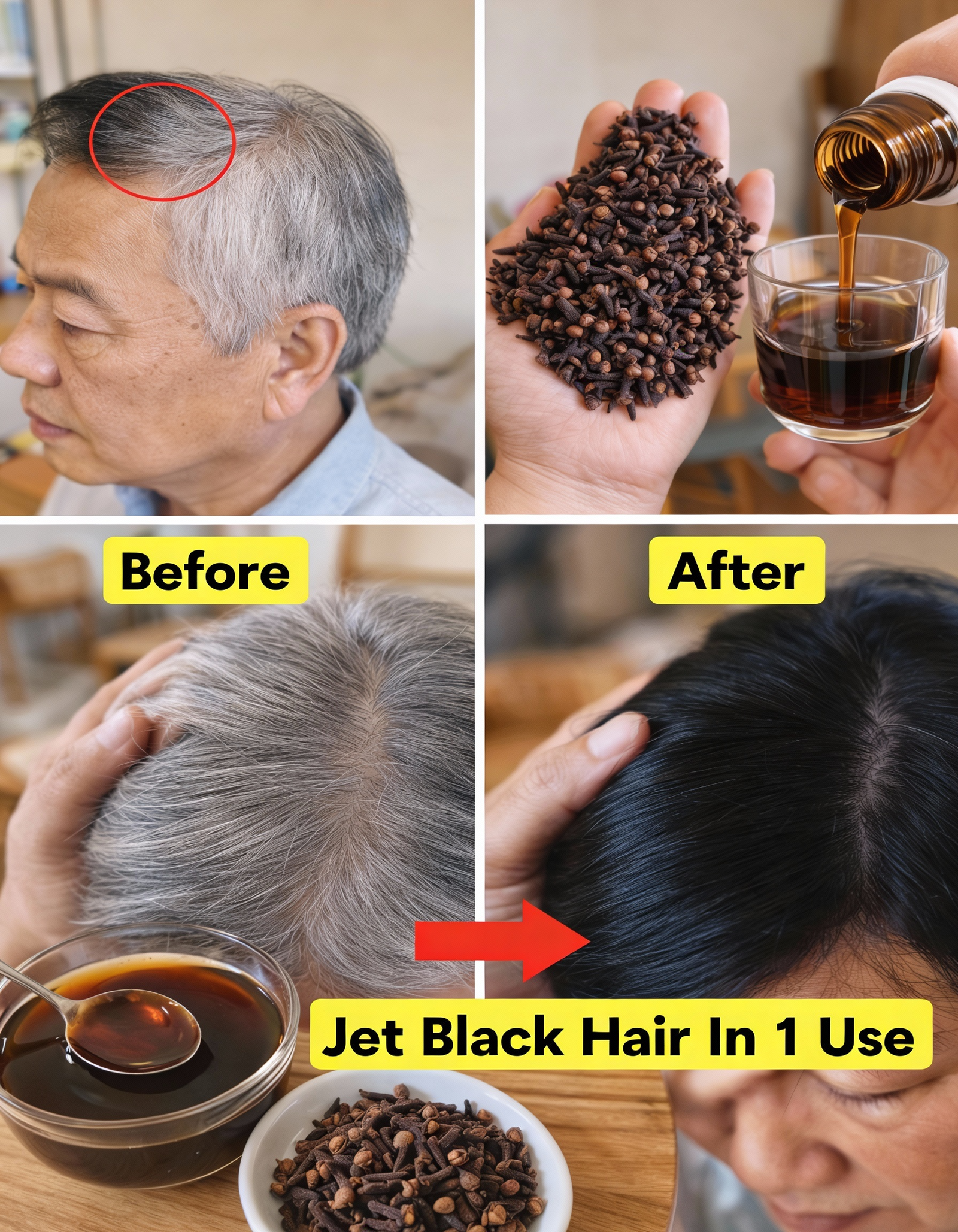
Many people notice more gray strands appearing as they reach their 50s and 60s, often accompanied by thinning, slower growth, or brittle texture that affects how vibrant and confident they feel. This change stems from natural aging processes, where factors like oxidative stress—a buildup of free radicals—can impact melanin production in hair follicles, the pigment responsible for color. Nutrient gaps, reduced scalp circulation, and lifestyle elements may accelerate these shifts, leading to frustration when mirrors or photos reveal more silver than expected. While gray hair is a normal part of life for most, many seek gentle ways to support overall hair health and potentially slow visible changes.
The good news? Everyday kitchen ingredients like bay leaves, cloves, black cumin, coffee, and potato peels have long been used in traditional routines to nourish the scalp and strands. These may offer supportive benefits through antioxidants, improved circulation, and natural conditioning—though results vary and they’re not guaranteed to reverse graying completely. Stick around, because later we’ll share practical, easy-to-try methods that many find helpful for promoting healthier, fuller-looking hair.

Why Gray Hair Appears More Noticeably After 50
Hair graying happens when melanocytes, the cells that produce melanin, become less active or fewer in number. Research shows that oxidative stress plays a key role, as free radicals can damage these cells over time. Studies indicate that hydrogen peroxide buildup in follicles may contribute to reduced pigment. Genetics, stress, and certain nutrient deficiencies can influence when and how quickly this occurs.
By age 50, surveys suggest a significant portion of people experience noticeable graying, though the classic “50/50/50” idea (50% of people with 50% gray hair at 50) overestimates it—actual figures range lower depending on ethnicity and other factors. By the mid-60s, it’s even more common, often paired with concerns about thinning or dullness.
But here’s the encouraging part: Supporting scalp health and reducing oxidative stress through diet, gentle care, and natural topicals may help maintain vitality longer.

How These Kitchen Staples May Support Hair Wellness
Ingredients like bay leaves (rich in essential oils and vitamins), cloves (containing eugenol for potential circulation benefits), black cumin (with thymoquinone as an antioxidant), coffee (tannins and natural pigments), and potato peels (starch and minerals) are praised in traditional practices.
Preliminary research and anecdotal reports suggest they could:
- Enhance scalp blood flow for better nutrient delivery
- Provide antioxidant protection against free radical damage
- Offer natural conditioning to improve shine and strength
- Subtly add depth or richness through pigments (like in rinses)
These effects stem from improved microcirculation, neutralization of oxidative stress, and follicle nourishment—key elements in maintaining hair appearance.

Foundation Benefits: Building Healthier Hair from the Roots
1. Boosting Scalp Circulation with Bay Leaves and Cloves
Good blood flow brings oxygen and nutrients to follicles, which may help combat slowdowns linked to aging. Bay leaves’ essential oils and cloves’ eugenol are traditionally used to stimulate the scalp gently.
Many report less fallout and denser feel after consistent use. Emerging studies on circulation support this approach for overall scalp wellness.
2. Antioxidant Defense to Help Protect Pigment
Oxidative stress is a major factor in melanin decline. Antioxidants from black cumin and bay leaves may help neutralize free radicals, potentially slowing visible changes.
Research links better antioxidant levels to preserved follicle health.
3. Natural Conditioning for Shine and Strength
Potato peels provide starch that smooths cuticles, while egg yolk offers proteins for reinforcement. Users often notice silkier, less brittle strands.
4. Nourishing Follicles to Minimize Breakage
Minerals in bay leaves and flaxseeds support root strength, helping retain length and reduce snapping.
These foundational steps create a stronger base—many see subtle improvements in texture within weeks.
But that’s just the start…

Momentum Builders: Accelerating Noticeable Improvements
5. Subtle Pigment Support from Coffee and Tea
Natural tannins may add richness to strands over time, offering a gentle, chemical-free way to enhance depth.
6. Soothing Inflammation for a Calmer Scalp
Cloves and bay leaves have calming properties that may ease irritation, supporting healthier growth cycles. Tip: Massage during application to boost absorption.
7. Plumping Effect for Fuller Appearance
Consistent nutrient delivery can make strands look thicker.
8. Better Length Retention
Stronger shafts mean less breakage and more retained length.
Real-World Support: Transformations People Share
Many in their 60s describe rediscovering shine, reduced shedding, and a youthful bounce after routines with these ingredients. One common thread: combining rinses with masks for cumulative effects.
While not medical cures, these supportive practices inspire confidence.
9-12. Extended Benefits
Delayed visible shifts, revived smoothness, restored scalp comfort, and greater resilience to daily stress.
13-15. The Full Picture
Gentle darkening support, less fall over time, and a sustainable ritual for ongoing vibrancy.
Practical Ways to Try These Remedies
Here are simple, at-home options—start slow and patch-test for sensitivity.
Bay Leaves + Cloves Rinse
- Boil 3-5 bay leaves and 1 tbsp cloves in 2 cups water for 5-10 minutes.
- Cool, strain, and use as a final rinse after shampooing (1-2x/week).
- Leave on 30-60 minutes or longer, then rinse.
Black Cumin + Coffee Spray
- Brew strong coffee, mix with ground black cumin and a drop of oil.
- Spray on scalp daily, massage, leave 30-60 minutes, rinse.
Potato Peel + Egg Mask
- Boil potato peels, mash, mix with 1 egg yolk and coffee grounds.
- Apply to hair, leave 1-2 hours, rinse (2x/week).
Quick Comparison Table: Key Ingredients
| Ingredient | Key Compounds | Potential Supportive Benefits | Evidence Level |
|---|---|---|---|
| Bay Leaves | Essential oils, vitamins | Circulation, nourishment | Traditional + some lab |
| Cloves | Eugenol | Stimulation, antioxidants | Emerging studies |
| Black Cumin | Thymoquinone | Antioxidant protection | Preliminary |
| Coffee/Tea | Tannins, pigments | Shine, subtle depth | Anecdotal + basic |
| Potato Peel | Starch, minerals | Conditioning, strength | Traditional |
Simple Timeline to Get Started
| Weeks | Action | Frequency |
|---|---|---|
| 1-2 | Begin with 1 rinse or mask | 1-2x/week |
| 3-4 | Add daily spray, increase masks | Daily spray + 2x/week mask |
| 5+ | Maintain and monitor | 2-3x/week as needed |
Compared to Alternatives
| Option | Cost/Access | Evidence Level | Convenience/Safety |
|---|---|---|---|
| Kitchen Remedies | Very low | Traditional/emerging | High, gentle |
| Commercial Dyes | Medium | Instant results | Chemical risks |
| Supplements | Medium | Varies | Internal focus |
| Salon Treatments | High | Professional | Expensive |
Pro tip: Apply to damp hair after washing—many notice better results and quicker shine.
Conclusion: Reclaim Your Hair Vitality Naturally
These gentle, kitchen-based approaches offer an affordable way to nourish hair from within and without. Consistency is key—many report positive shifts in texture, shine, and confidence over months.
Start small today: Pick one rinse and see how your hair responds.
FAQ
1. Can natural remedies completely reverse gray hair?
No remedy guarantees full reversal, as graying is largely genetic and age-related. However, they may help slow progression and support healthier-looking hair through nourishment.
2. How long until I see changes?
Results vary—some notice shine or less breakage in 4-6 weeks, while color depth may take 2-3 months of consistent use.
3. Are these safe for everyone?
Generally yes for most, but patch-test first. Avoid if allergic, and consult a doctor if you have scalp issues.
This article is for informational purposes only and is not a substitute for professional medical advice. Consult a healthcare provider before trying new remedies, especially with allergies, conditions, or sensitivities.