 By admin
 Discovering that your gums are receding can be a source of significant concern and discomfort. When gum tissue pulls back, it often exposes more of the tooth surface, and sometimes even the sensitive tooth roots. This exposure can lead to heightened sensitivity to hot, cold, or sweet foods and drinks, and may even make you feel self-conscious about your smile. Left unaddressed, gum recession can escalate into more serious oral health issues.
The encouraging news is that many daily habits and gentle, natural approaches can effectively support gum health and help prevent further recession. You can start implementing these strategies right from the comfort of your home. This comprehensive guide will delve into practical, evidence-informed methods for nurturing your gums naturally, emphasizing routines that foster optimal oral wellness. Stay with us until the end for some insightful, often overlooked tips that can significantly contribute to maintaining healthier gums.
Understanding Gum Recession: What It Means and Why It Matters
Gum recession is a condition where the gum tissue surrounding the teeth wears away or pulls back, exposing more of the tooth or its root. This process can be gradual, making it hard to notice until it becomes more advanced. Several factors commonly contribute to this dental concern:
- Aggressive Brushing: Brushing too hard or using a hard-bristled toothbrush can physically damage gum tissue.
- Poor Oral Hygiene: Inadequate brushing and flossing allow plaque and tartar to build up, leading to gingivitis and periodontal disease, which can cause gums to recede.
- Genetics: Some individuals are simply more predisposed to gum recession due to inherited factors.
- Aging: As we age, our gums naturally become more susceptible to wear and tear.
- Tobacco Use: Smoking and other tobacco products can severely compromise gum health, making recession more likely.
- Teeth Grinding or Clenching (Bruxism): Excessive force on teeth can contribute to gum tissue damage.
Research from leading dental organizations, such as the American Dental Association, consistently highlights that early intervention and consistent attention to these contributing factors can significantly slow or even halt the progression of gum recession. While lost gum tissue typically doesn’t regenerate on its own, diligent care can strengthen existing tissue, reduce inflammation, and safeguard against further damage. The cornerstone of effective management lies in gentle, daily oral care routines combined with mindful lifestyle choices.
Foundational Daily Habits for Robust Gum Health
Excellent oral hygiene is the bedrock upon which healthy gums thrive. Reputable sources, including extensive reviews and guidelines from Healthline and WebMD, consistently endorse the following practices:
- Brush Gently, Twice Daily: Use a soft-bristled toothbrush and fluoride toothpaste. Brush in small, circular motions, focusing on the gumline, to effectively remove plaque without irritating delicate gum tissue.
- Floss Daily: Flossing is crucial for dislodging food particles and bacterial plaque from between teeth and beneath the gumline, areas your toothbrush cannot reach. This helps prevent the buildup that leads to gum inflammation.
- Regular Dental Check-ups and Cleanings: Professional cleanings are vital for removing stubborn tartar (hardened plaque) that cannot be removed by home care alone. Your dentist can also monitor your gum health and provide personalized advice.
These fundamental steps alone can dramatically reduce plaque accumulation and inflammation, as supported by numerous studies in periodontal health. However, integrating supportive natural elements can further enhance your routine and provide additional benefits.
Natural Approaches Supported by Research Insights
Several gentle, plant-based options have demonstrated potential in studies for promoting gum comfort and reducing oral bacterial load. It’s crucial to remember these should always complement—not replace—the professional advice and treatments provided by your dentist.
Oil Pulling: An Ancient Practice with Modern Appeal
Oil pulling involves swishing a tablespoon of oil (like coconut oil) in your mouth for 10–20 minutes daily. A meta-analysis of various studies suggests that this traditional practice may help decrease bacterial counts in saliva and contribute to plaque reduction in some individuals. Coconut oil is often preferred due to its lauric acid content, which possesses natural antimicrobial properties. Swish gently (avoid swallowing), then spit the oil into the trash (to prevent drain clogging) and rinse your mouth thoroughly with water. Many users report fresher breath and a cleaner feeling, though individual results can vary.
Aloe Vera: A Soothing Botanical for Gums
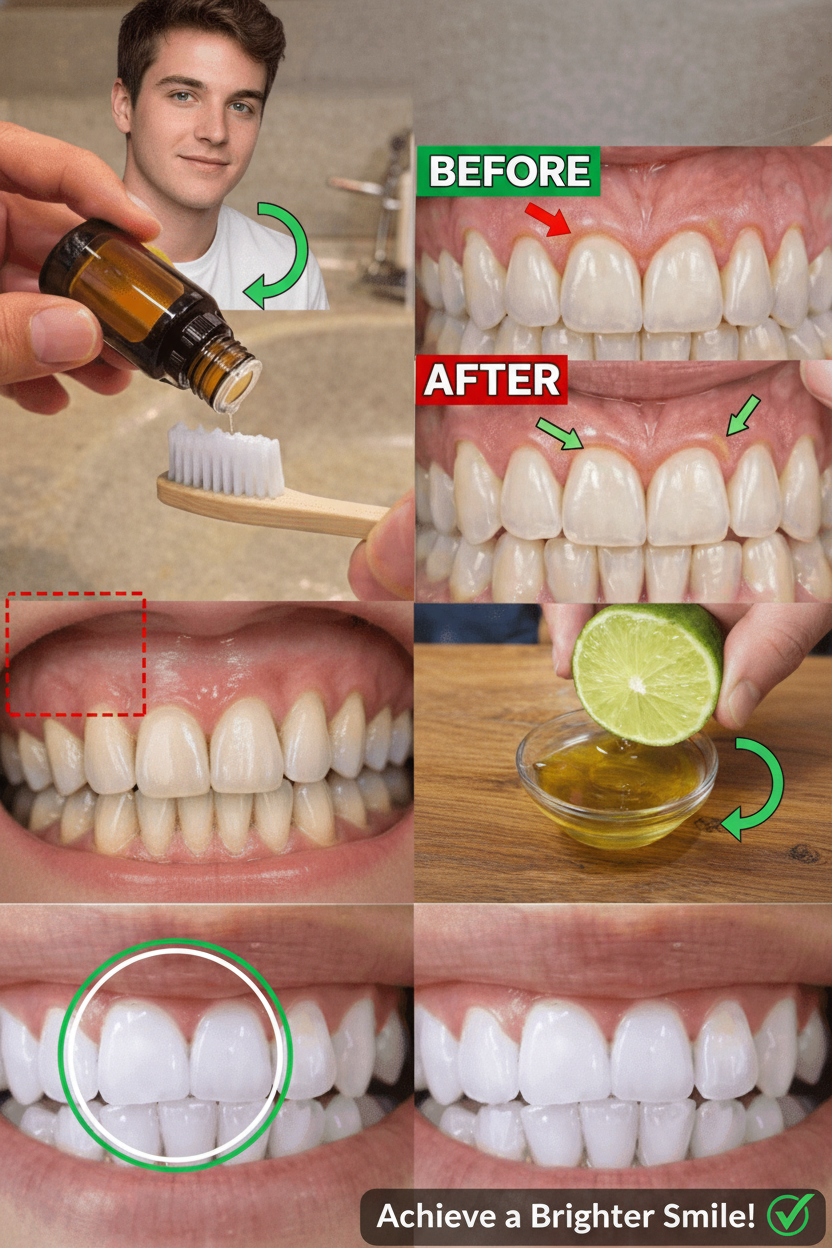
Aloe vera gel is renowned for its anti-inflammatory and healing properties. Limited research, including clinical observations, indicates that applying pure, edible-grade aloe vera gel directly to irritated gums may help soothe discomfort and support a healthy healing environment. When selecting an aloe vera product, ensure it is pure, free from added colors, alcohol, or other irritants.
Saltwater Rinses: A Simple Yet Effective Aid
A warm saltwater rinse remains a time-honored remedy for temporary relief from gum inflammation. Dissolve half a teaspoon of salt in a cup of warm water and rinse your mouth for about 30 seconds after meals or brushing. Studies acknowledge its potential as a gentle antibacterial agent, helping to cleanse and soothe irritated gum tissues.
Green Tea: An Antioxidant Powerhouse for Oral Health
Regular consumption of unsweetened green tea provides a rich supply of catechins, powerful antioxidants that some research links to reduced inflammation and decreased bacterial activity in the mouth. Incorporating 1–2 cups of green tea daily into your hydration routine can contribute to overall oral wellness.
Omega-3 Fatty Acids: Dietary Support for Gum Tissue
Foods rich in omega-3 fatty acids, such as fatty fish (salmon, mackerel), flaxseeds, chia seeds, and walnuts, are known to support the body’s overall anti-inflammatory responses. Some studies suggest that adequate intake of omega-3s may also play a role in maintaining healthy gum tissue. Integrating these into your balanced diet offers broader wellness benefits beyond just oral health.
Quick Comparison of Supportive Natural Options:
- Oil Pulling: Time commitment: 10–20 min/day; Primary focus: Bacterial reduction, plaque control.
- Aloe Vera Gel: Application: Direct to gums; Primary focus: Soothing irritation, promoting healing.
- Saltwater Rinse: Quick: 30 sec; Primary focus: Gentle cleansing, temporary inflammation relief.
- Green Tea: Easy: Drink daily; Primary focus: Antioxidant boost, anti-inflammatory.
- Omega-3 Foods: Dietary: Incorporate into meals; Primary focus: Systemic inflammation support, gum tissue health.
Cultivating a Comprehensive Routine for Optimal Gum Care
To effectively support healthy gums and address concerns about recession, consistency is paramount. Integrate the foundational daily habits with the natural approaches that resonate most with you. Begin by ensuring you are brushing gently twice a day with a soft brush and flossing daily. Then, consider adding one or more of the natural remedies, such as a daily saltwater rinse or oil pulling, into your regimen. Remember, these natural methods are meant to complement, not replace, the guidance and care from your dental professional.
Ultimately, a proactive and holistic approach to oral hygiene, combined with regular dental check-ups and mindful lifestyle choices, provides the best defense against gum recession and contributes significantly to your overall oral health and well-being. Don’t hesitate to discuss these natural strategies with your dentist to ensure they align with your specific dental health needs.