 By admin
 Beyond the Plate: Unveiling How Everyday Foods Impact Your Gut, Brain, and Heart Health
Have you ever experienced unexplained bloating, mental fog, or a general feeling of sluggishness after indulging in a quick, convenient snack or a sweet treat? You’re not alone. A growing body of scientific evidence highlights how certain ubiquitous foods—including highly processed items, deep-fried indulgences, and excessive sugar—can silently contribute to chronic inflammation and place undue stress on vital organs over time. These subtle impacts often accumulate without immediate, glaring symptoms, only manifesting as noticeable discomfort much later. The encouraging news is that making mindful, incremental changes towards a diet rich in fresh, whole foods can significantly bolster your overall health and vitality. This article delves into the specific ways your daily food choices can profoundly influence key bodily systems, supported by contemporary research. Be sure to read until the end for a crucial, overarching tip that can truly transform your daily well-being.
Processed Foods: Disrupting Your Gut Microbiome
Ultra-processed foods, characterized by their convenience and long shelf-life, are ubiquitous in modern diets. These items—ranging from pre-packaged snacks and sugary cereals to ready-to-eat meals—are typically high in unhealthy fats, added sugars, artificial ingredients, and often lack essential fiber. A growing body of research suggests that regular consumption of these foods can significantly imbalance the delicate ecosystem of your gut microbiome. This disruption, medically termed dysbiosis, often leads to a reduction in beneficial gut bacteria and fosters a state of chronic, low-grade inflammation throughout the body.
Furthermore, studies highlight that certain food additives, such as emulsifiers commonly found in processed goods, can compromise the integrity of the intestinal lining. This increased intestinal permeability, often referred to colloquially as “leaky gut,” allows undigested food particles and toxins to pass more readily into the bloodstream. Such an influx can trigger a systemic inflammatory response, potentially contributing to a wide array of chronic health issues.
Embrace Gut-Friendly Alternatives: To cultivate a thriving and diverse gut microbiome, prioritize fresh, whole, and minimally processed foods. Incorporate plenty of fruits, vegetables, and naturally fermented options like plain yogurt or kefir into your daily routine. Consider these simple yet impactful dietary shifts:
- Swap out conventional chips or cookies for nutrient-dense choices like crisp apple slices paired with a handful of almonds or walnuts.
- Opt for freshly prepared meals, such as homemade salads bursting with colorful vegetables, instead of convenient but less healthy pre-packaged alternatives.
- Introduce probiotic-rich fermented foods like sauerkraut or kimchi into your meals several times each week to support gut bacterial diversity.
The Hidden Impact of Fried Foods on Lung Health
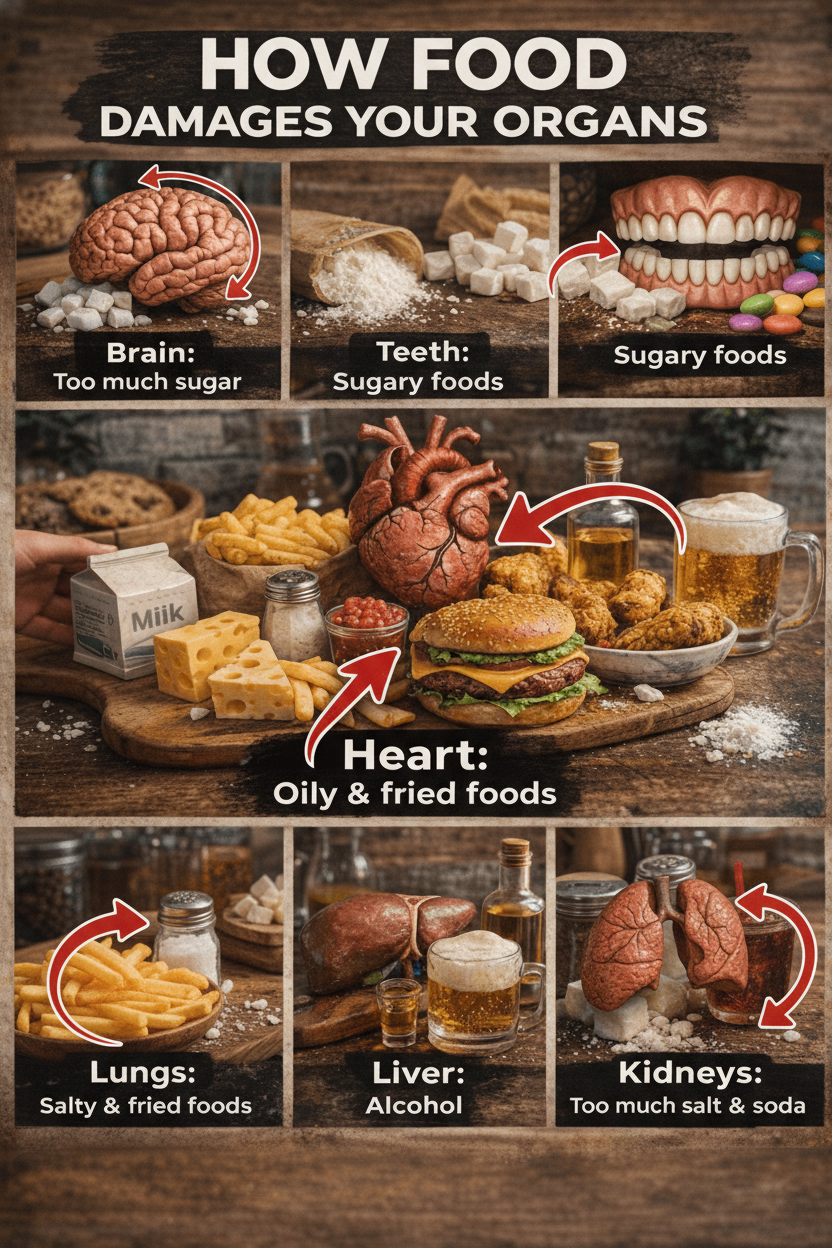
While undeniably tempting, frequently consumed fried foods are typically laden with unhealthy fats that can trigger widespread inflammation throughout the body. Emerging research draws a compelling link between diets rich in high-fat, processed items—including those that are deep-fried—and heightened airway inflammation. This inflammatory response within the respiratory system may exacerbate existing conditions such as asthma or lead to general breathing difficulties. A comprehensive review further emphasizes that dietary patterns prevalent in Western societies, characterized by a heavy reliance on fried and processed foods, are strongly associated with pro-inflammatory effects that can progressively impair lung function over the long term.
Healthier Cooking Methods: To mitigate these risks, opt for cooking methods that significantly reduce unhealthy fat intake while preserving flavor. Consider these simple culinary adjustments:
- Prepare potatoes by baking them to a golden crisp instead of deep-frying.
- Flavorful chicken or vegetables can be expertly grilled or roasted with aromatic herbs and spices.
- Achieve that coveted crispy texture using an air fryer, which requires minimal oil compared to traditional deep-frying.
Excess Sugar: A Threat to Cognitive Function and Brain Health
The overconsumption of sugar, particularly from refined and added sources, is increasingly recognized as a significant contributor to neuroinflammation—a persistent, low-grade inflammatory state within the brain. This chronic irritation can detrimentally affect critical cognitive abilities, including memory recall, sustained focus, and overall mental sharpness. Furthermore, several studies have established a correlation between elevated sugar intake and an increased susceptibility to neurodegenerative conditions such as dementia and Alzheimer’s disease in aging populations. Both animal and human investigations consistently demonstrate that diets rich in sugar can induce insulin resistance specifically in the brain, thereby accelerating various facets of cognitive decline.
Smart Sweet Swaps: To protect your brain health, curb your reliance on refined sugars and instead turn to naturally sweet alternatives. Consider these practical approaches:
- Address your sweet cravings with nature’s candy, such as a handful of vibrant berries, or indulge in a small square of high-quality dark chocolate (with at least 70% cocoa content).
- Create a balanced and satisfying dessert by combining fresh fruit with plain Greek yogurt.
- Drastically reduce your intake of sugary beverages, opting instead for refreshing water infused with natural flavors like lemon, cucumber, or mint.
- Become a vigilant label reader to identify and avoid hidden sugars often lurking in processed foods, from salad dressings to breakfast cereals.
The Sweet Peril: How Sugar Devastates Your Dental Health
The sugar you consume serves as a primary fuel source for detrimental bacteria residing in your mouth. As these bacteria metabolize sugar, they generate acids that aggressively attack and demineralize tooth enamel, the robust outer shield of your teeth. This relentless acidic assault gradually weakens the enamel, paving the way for the formation of cavities and progressive dental decay. Oral health professionals consistently underscore that frequent and prolonged exposure to sugar overwhelms the natural buffering capacity of saliva, rendering it less effective at neutralizing these harmful acids.
Protecting Your Pearly Whites: Safeguard your dental health with these proactive measures, especially after consuming sugary items:
- Immediately after enjoying