 By admin
 Many women experience unease or embarrassment when they observe alterations in their vaginal discharge, often leading to concerns about their bodily health. This apprehension can subtly affect confidence and daily comfort, particularly when changes appear sudden or unfamiliar. The reality is, vaginal discharge is a completely natural and vital component of women’s reproductive health, serving as a key indicator of internal processes. By gaining a clear understanding of it, you can alleviate anxieties and feel more in control of your well-being. Continue reading – we’ll reveal a simple, often overlooked habit towards the end that can make a significant difference.
🔍 What Exactly Is Vaginal Discharge?
Vaginal discharge is a fluid naturally produced by glands located in the vagina and cervix. Its primary functions include cleansing the vaginal canal, maintaining essential moisture, and providing protection against potential infections by effectively flushing out bacteria and dead cells. Far from being a cause for concern, healthy vaginal discharge is a clear sign that your body is functioning optimally. Most women will notice vaginal discharge daily or at various points throughout their menstrual cycle, yet many still feel self-conscious about it. Recognizing that vaginal discharge is a normal, protective biological mechanism can help reduce unwarranted shame and empower you to identify when something genuinely requires attention.
🔄 Why Vaginal Discharge Changes Throughout Your Cycle
The fluctuating hormone levels during the menstrual cycle directly influence the quantity, consistency, and appearance of vaginal discharge. Around the time of ovulation, for instance, many women observe clear, stretchy cervical mucus that resembles raw egg whites – this is the body’s natural way of facilitating conception. At other phases of the cycle, vaginal discharge may become thicker, more creamy, or slightly sticky. These cyclical variations can sometimes be confusing or even alarming if you’re not expecting them, but they are typically entirely normal physiological responses. Consistently tracking your menstrual cycle can help you identify your unique discharge patterns, fostering greater confidence in what is typical for your body.
✅ What Normal Vaginal Discharge Looks Like
While normal vaginal discharge can vary significantly from one individual to another, it generally exhibits these common characteristics:
- Color: Typically clear, white, or a very light off-white shade.
- Odor: Usually mild or entirely odorless.
- Consistency: Ranges from thin and watery to thick and creamy, depending on your menstrual cycle phase.
- Comfort: Should not be accompanied by itching, burning, or any form of irritation.
- Amount: Varies from a small daily presence to a more noticeable increase, particularly around ovulation.
When vaginal discharge remains within these expected parameters, it serves as a positive indicator of robust vaginal health. Many women needlessly worry about minor daily fluctuations in discharge, but understanding these normal attributes can provide considerable peace of mind.
⚠️ When Changes in Vaginal Discharge May Signal a Problem
Sudden or unusual shifts in vaginal discharge can certainly be a cause for concern, especially when they are accompanied by discomfort or other symptoms. Key warning signs that warrant attention include:
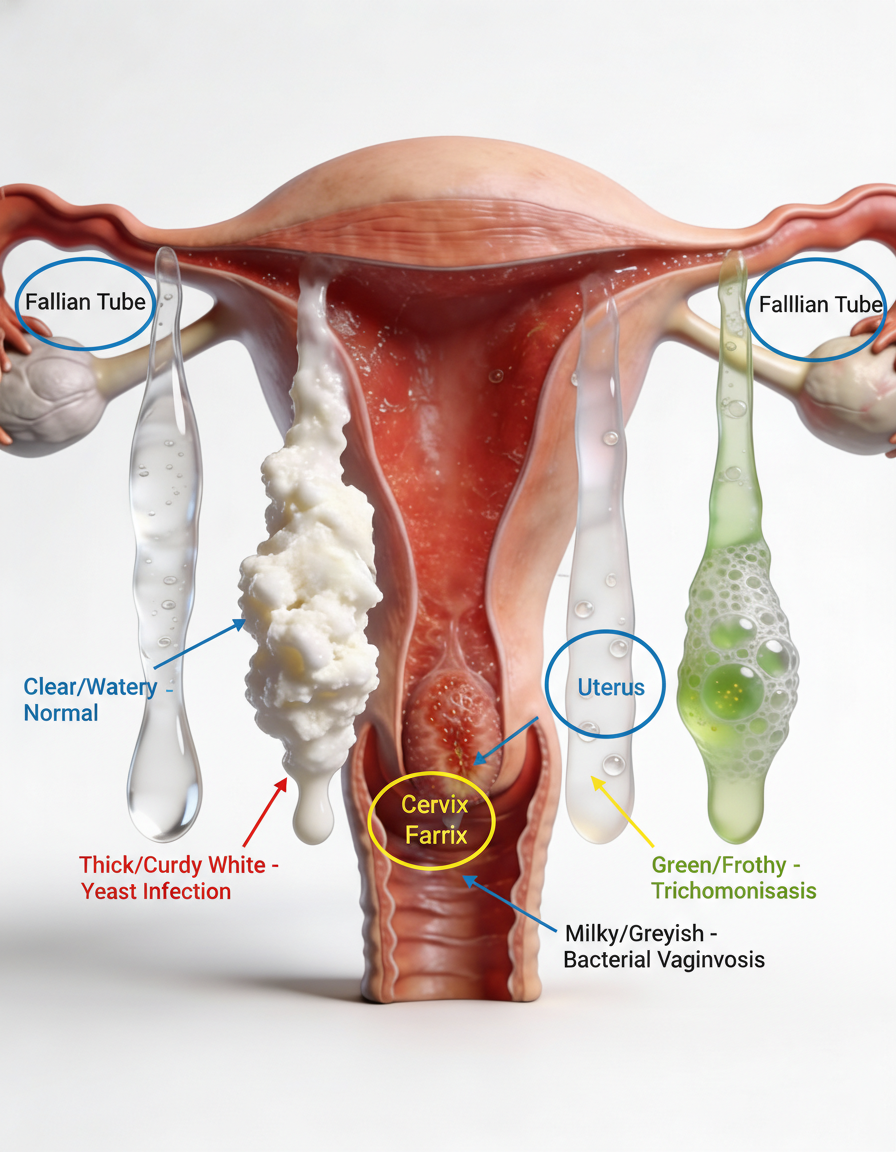
- Appearance: A yellow, green, gray, or frothy texture.
- Odor: A strong, unpleasant, or distinctly fishy smell.
- Associated Symptoms: Intense itching, burning, or redness in the vaginal area.
- Pain: Discomfort or pain experienced during urination or sexual intercourse.
- Quantity: A significant, unexplained increase or decrease in the usual amount of discharge.
While these changes in vaginal discharge do not always indicate a serious condition, they certainly demand prompt attention. Ignoring them due to embarrassment can prolong discomfort and potentially lead to more complex issues, making consultation with a healthcare provider the most prudent course of action.
🦠 Common Causes of Abnormal Vaginal Discharge
Yeast Infections (Candidiasis)
Yeast infections are among the most frequent culprits behind changes in vaginal discharge. They commonly present with thick, white discharge that often resembles cottage cheese, accompanied by intense itching and significant irritation. Factors such as antibiotic use, hormonal fluctuations, or elevated blood sugar levels can often trigger these infections. Many women experience frustration with recurrent yeast infections due to their disruptive impact on daily life and intimacy. Research highlights that maintaining a balanced vaginal flora can substantially reduce the risk of such occurrences.
Bacterial Vaginosis (BV)
Bacterial vaginosis occurs when the natural bacterial balance within the vagina is disrupted. It typically manifests as thin, grayish-white discharge accompanied by a distinct fishy odor, which often becomes more noticeable after sexual activity. Some individuals may not experience any itching, which can unfortunately lead to BV being overlooked. Despite seemingly mild symptoms, untreated BV can potentially lead to complications, underscoring the importance of professional medical evaluation when vaginal discharge exhibits these particular changes.
Sexually Transmitted Infections (STIs)
Certain sexually transmitted infections, including trichomoniasis, chlamydia, or gonorrhea, can significantly alter vaginal discharge. These STIs might produce discharge that is yellow or green in color, sometimes frothy in texture, often alongside general discomfort. Early detection through testing is crucial, not only for safeguarding your own health but also for protecting your partner’s well-being. While concerns about potential STIs can feel overwhelming, regular check-ups and open, honest communication with healthcare providers and partners are essential for effective management and prevention.
Understanding the nuances of vaginal discharge empowers you to be an active participant in your own health journey. By staying informed and attuned to your body’s signals, you can confidently differentiate between normal variations and potential issues. Remember the simple habit mentioned earlier: prioritize wearing breathable cotton underwear and avoid harsh, perfumed hygiene products that can disrupt your natural vaginal balance. If you ever have persistent concerns about your vaginal discharge or experience any of the warning signs discussed, do not hesitate to consult a healthcare professional. Your health and peace of mind are paramount.