 By admin
 Often dismissed as mere nuisances, those common plants that persistently sprout in our lawns, along sidewalks, and within garden beds hold a secret. While many instinctively reach for a trowel to pull them out, these resilient greens are frequently overlooked reservoirs of nutrients, boasting a rich history of traditional use in supporting everyday wellness.
Imagine walking past a natural pharmacy without even realizing it. Many individuals unknowingly bypass these powerful plants, missing out on opportunities to diversify their meals or integrate simple, natural remedies into their daily routines. The frustration is palpable when you encounter another “weed” encroaching on your carefully tended yard or a local park—an intruder you’re programmed to remove.
Yet, these very plants have demonstrated remarkable tenacity, thriving in challenging conditions for centuries. They’ve quietly offered an array of benefits that modern scientific research is now beginning to uncover. Preliminary studies suggest that some of these common botanicals may provide valuable antioxidants, support healthy digestion, or offer comfort for various skin concerns, transforming what appears to be a garden pest into an accessible, natural resource right beneath your feet.
Here’s the exciting revelation: four of the most ubiquitous species—broadleaf plantain, dandelion, purslane, and yarrow—are particularly noteworthy for their versatility and enduring roles in traditional herbal practices. Continue reading, and by the article’s conclusion, you’ll be equipped with straightforward methods to identify these plants and safely incorporate them into your lifestyle for potential daily health support.
What Makes These Resilient Plants So Special?
Far from being rare or exotic, these plants are robust survivors, flourishing in compacted soil, sidewalk cracks, and disturbed environments. Traditional herbalists have revered them for generations, and contemporary research continues to highlight the presence of beneficial compounds such as flavonoids, polyphenols, and essential vitamins, all contributing to their therapeutic appeal.
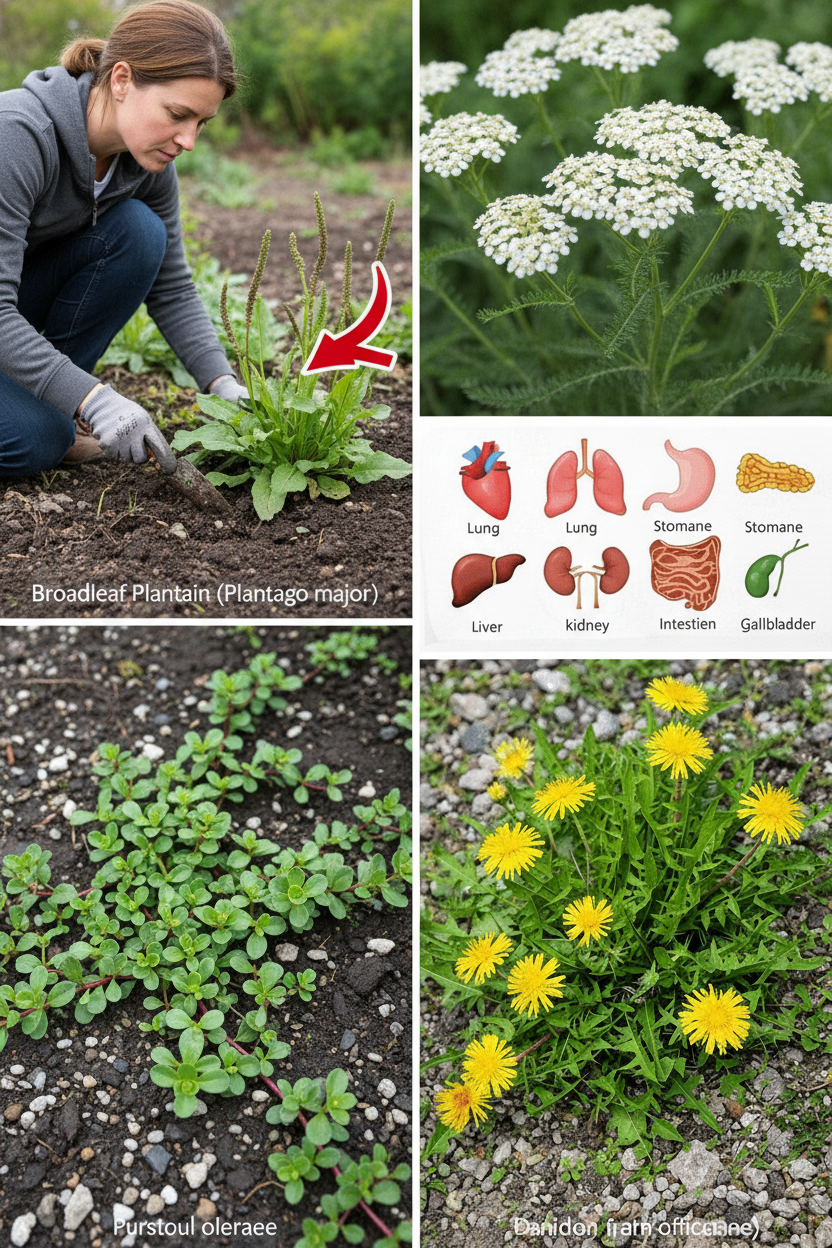
Broadleaf Plantain (Plantago major)
This low-growing plant, characterized by its wide, distinctly ribbed leaves, is a frequent sight in lawns and along pathways. Scientific investigations suggest it contains compounds with anti-inflammatory properties and may traditionally aid in wound healing and promote digestive comfort.
Dandelion (Taraxacum officinale)
Instantly recognizable by its vibrant yellow flowers that mature into iconic puffballs, the dandelion is a true nutritional powerhouse. Research points to its potential in supporting optimal liver function, delivering potent antioxidants, and assisting in digestive processes.
Purslane (Portulaca oleracea)
With its succulent, reddish stems that creep along the ground in gardens and bare soil, purslane is remarkable. It is exceptionally rich in omega-3 fatty acids—making it one of the most concentrated plant-based sources—alongside a spectrum of vitamins and minerals vital for overall nutrition.
Yarrow (Achillea millefolium)
Distinguished by its delicate, feathery leaves and clusters of tiny white or pink flowers, yarrow thrives in fields and along roadsides. Historically, it has been employed to promote relief during minor digestive upsets or for various skin issues, with some studies acknowledging its anti-inflammatory attributes.
But the story doesn’t end there—let’s explore further why these plants truly warrant a second look.
Key Health Benefits: Blending Tradition with Modern Science
While no single plant offers a miraculous cure, these four species present compelling avenues for natural support across several health domains. Here’s a detailed overview:
Nutritional Powerhouse
- Many of these plants are abundant in essential vitamins (including A, C, and K) and vital minerals (such as iron, calcium, and potassium).
- Purslane, in particular, stands out for its impressive omega-3 fatty acid content, a nutrient rare in the plant kingdom and generally associated with cardiovascular health benefits when incorporated into a balanced diet.
Antioxidant Support
- Compounds identified in plants like dandelion and plantain have shown promise in preliminary studies for their ability to combat oxidative stress, potentially contributing significantly to overall well-being and cellular health.
Digestive Harmony
- Both dandelion and yarrow have been long-standing components of traditional herbal teas, utilized to gently alleviate mild bloating or to support healthy gut function.
- Plantain is also recognized for its potential to offer soothing effects internally, particularly for the digestive tract.
Skin Soothe and Minor Wound Care
- Plantain and yarrow are highly regarded in folk medicine for their topical applications on minor irritations, attributed to their natural astringent and calming properties.
Everyday Resilience and Sustainability
- These plants demonstrate an incredible ability to adapt and flourish even in poor soil conditions, making them exceptionally sustainable and readily available additions for foraging or cultivation in home gardens.
To quickly summarize their primary attributes:
- Plantain: Features broad leaves, highly valued for topical skin soothing and minor wound care.
- Dandelion: Known for its bright yellow flowers, traditionally supports liver detoxification processes and overall vitality.
- Purslane: Characterized by succulent stems, an excellent source of omega-3s for enhanced nutrition.
- Yarrow: Recognizable by its feathery foliage, historically aids in promoting circulation and providing comfort for various minor ailments.
This natural diversity allows for their combined use, ensuring a more balanced intake of beneficial compounds.
Safe Identification: Your First Step to Foraging
Accurate identification is paramount when considering foraging or using wild plants. Always verify your findings with a trusted botanical guide, field app, or an experienced forager.
- Plantain: Look for a basal rosette of oval leaves featuring distinct parallel veins. Its flower spikes resemble miniature corn cobs.
- Dandelion: Identify its deeply toothed leaves forming a basal rosette. The hollow stem produces milky sap, culminating in bright yellow, composite flowers.
- Purslane: Characterized by fleshy, paddle-shaped leaves and reddish stems that trail along the ground. It produces small, inconspicuous yellow flowers.
- Yarrow: Recognizable by its delicate, fern-like leaves and flat-topped clusters of small flowers. It emits a strong, aromatic scent when crushed.
Crucially, be vigilant for toxic look-alikes (e.g., toxic spurge, which can be mistaken for purslane). Always harvest plants from clean environments, free from pesticides, herbicides, or heavy pollution, and away from roadsides with heavy traffic.
Actionable Tips: Integrating These Wild Wonders into Your Life
Ready to explore the benefits of these remarkable plants? Here are some simple and safe ways to begin incorporating them into your daily routine:
- Fresh in Salads: Young dandelion and plantain leaves can add a slightly bitter, peppery, or earthy flavor to your salads. Purslane offers a refreshing, slightly lemony crunch.
- Smoothie Boost: Blend a handful of fresh dandelion, plantain, or purslane into your morning smoothies for an extra nutritional kick.
- Herbal Teas: Dandelion roots and leaves (roasted or fresh) make a nourishing tea. Yarrow flowers and leaves can be steeped for a comforting brew, especially for digestive support.
- Cooked Greens: Treat dandelion and plantain leaves like spinach or kale. Sauté them with garlic and olive oil, or add them to soups and stews. Purslane can also be lightly steamed.
- Topical Applications: For minor skin irritations or insect bites, crush fresh plantain leaves and apply them directly as a poultice. Yarrow can be made into an infusion for a skin wash.
- Pesto & Sauces: Experiment by replacing some basil with fresh plantain or dandelion leaves in your pesto recipes for a unique flavor profile.
Important Note: Always start with small quantities when consuming any new wild plant to gauge your body’s reaction. If you have underlying health conditions, are pregnant or breastfeeding, or are taking medications, consult with a healthcare professional or a qualified herbalist before incorporating wild plants into your diet or wellness regimen.