 By admin
 Tooth decay and dental sensitivity frequently begin subtly, often long before any noticeable pain or visible damage manifests. It’s common for individuals to become aware of an issue only when discomfort, such as sensitivity or difficulty chewing, disrupts their daily routine – a situation that can be both frustrating and concerning. The good news is that your everyday decisions, particularly regarding your diet and oral hygiene practices, hold significant power in fostering robust, healthy teeth. Stick with us, as we unveil a crucial, yet often underestimated, daily habit that could make the most profound difference.
Why Tooth Decay Persists in Our Modern World
Globally, dental caries (cavities) stand as one of the most prevalent oral health challenges. Extensive research consistently highlights how contemporary diets, rich in refined sugars and heavily processed foods, coupled with demanding lifestyles, create an optimal environment for the erosion of tooth enamel. However, it’s vital to understand that cavities aren’t an overnight phenomenon. They develop progressively as essential minerals are stripped away from the tooth surface at a faster rate than they can be naturally replenished. Consequently, effective prevention largely revolves around supporting your body’s inherent capacity for balance and remineralization. This is precisely where straightforward, natural practices become invaluable.
🥬 Nourish Your Teeth with Enamel-Boosting Foods
Your teeth are dynamic, living structures that depend on a steady supply of nutrients to maintain their strength and integrity. Incorporating specific foods into your diet can provide the vital building blocks necessary for your enamel to stay resilient and resistant to decay.
Calcium-Rich Foods for Optimal Enamel Support
Calcium is a cornerstone mineral, absolutely crucial for preserving the structural integrity of your teeth. Excellent natural sources of calcium include:
- Leafy green vegetables such as kale, spinach, and collard greens
- Sesame seeds and their paste, tahini
- Plain yogurt and other fermented dairy products (if tolerated)
Beyond supporting the mineral density of your teeth, these foods also contribute significantly to overall bone health.
Phosphorus: Calcium’s Essential Partner for Stronger Enamel
Phosphorus collaborates synergistically with calcium, playing a pivotal role in fortifying dental structures. You can readily obtain this mineral from:
- Eggs
- Wild-caught fish, like salmon or mackerel
- Almonds and various other nuts
Scientific studies indicate that diets providing a balanced intake of both calcium and phosphorus are instrumental in sustaining long-term enamel integrity and preventing demineralization.
Beneficial Fats for a Balanced Oral Environment
Healthy fats are critical for the absorption of fat-soluble vitamins, notably vitamins A and D, both of which are intrinsically linked to robust oral health. Key sources include:
- Avocado
- Extra virgin olive oil
- Coconut oil
Furthermore, these fats do more than just aid nutrient uptake; they also play a role in promoting healthy saliva production. Saliva, often referred to as your mouth’s natural defense, is crucial for protecting teeth. Practical tip: Incorporate olive oil into your cooking or add avocado slices to your meals to significantly enhance your body’s absorption of these vital fat-soluble nutrients.
🌾 Unveiling Phytic Acid’s Role in Mineral Absorption
Here’s a dietary aspect that many individuals tend to overlook: phytic acid. Present in a variety of plant-based foods such as grains, legumes, nuts, and seeds, phytic acid possesses the ability to bind with essential minerals like calcium, magnesium, and zinc. This binding action can potentially diminish your body’s efficiency in absorbing these crucial nutrients.
Simple Strategies to Minimize Phytic Acid
The good news is there’s no need to completely eliminate these nutritious plant foods from your diet. Instead, consider these straightforward preparation techniques:
- Soak beans and lentils thoroughly before cooking.
- Opt for sprouted grains whenever they are available.
- Diversify your protein sources; avoid relying solely on the same few foods every day.
Implementing these minor adjustments can significantly enhance the bioavailability of minerals without sacrificing the nutritional benefits of these foods. Ultimately, intelligent food preparation holds as much importance as the initial food selection itself.
🍬 Smart Ways to Reduce Sugar Intake Without Deprivation
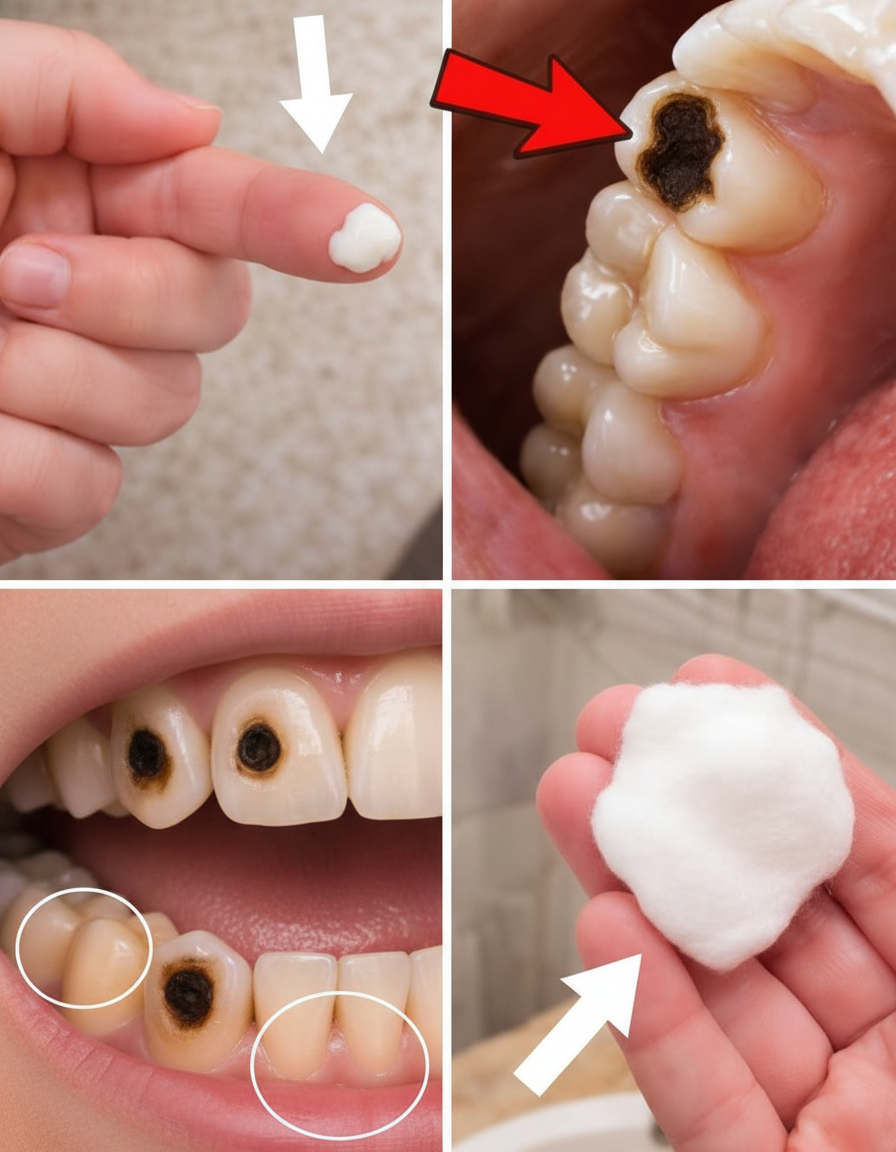
It’s common knowledge that sugar serves as a primary fuel source for the harmful bacteria responsible for enamel erosion and tooth decay. While overt sugars are a concern, the greater challenge often lies in the pervasive presence of “hidden sugars” in everyday items.
Common Culprits: Foods with Hidden Sugars
Be mindful of these frequently consumed products:
- Flavored yogurts (even those marketed as “healthy”)
- Bottled smoothies and fruit juices (often concentrated sugar sources)
- Many packaged snack bars
- Sweetened iced teas and other sweetened beverages
Foods with a sticky consistency are particularly detrimental, as they adhere to tooth surfaces for extended periods, providing prolonged nourishment for bacteria.
Delicious, Tooth-Friendly Alternatives
Instead of sugary options, consider these beneficial alternatives:
- Crunchy vegetables such as carrots, celery sticks, and bell peppers.
- Fresh whole fruits, ideally consumed as part of a meal rather than on their own, to mitigate sugar impact.
- Minimally processed whole foods that provide sustained energy without added sugars.
Crucially, crunchy foods naturally stimulate saliva production. This increased salivary flow acts as your mouth’s natural rinsing system, effectively washing away food particles and neutralizing acids.
🧼 Essential Daily Oral Habits for Enamel Protection
While a nutrient-rich diet is fundamental, it’s insufficient on its own. Consistent and diligent daily oral care practices are absolutely critical in the comprehensive strategy to prevent cavities and maintain lasting oral health.
Mastering Gentle Brushing and Daily Flossing
Brushing your teeth twice a day is paramount for effectively removing plaque before it has a chance to harden into tartar. Always use gentle pressure to protect both your delicate gum tissues and your tooth enamel from abrasion. Additionally, flossing once daily is indispensable for cleaning the tight spaces between teeth and beneath the gum line, areas that your toothbrush simply cannot access.
Coconut Oil Pulling: An Ancient Oral Wellness Technique
Many individuals incorporate coconut oil pulling into their holistic oral care regimen. While scientific research on its full benefits is still emerging, some studies suggest that this traditional practice may contribute to reducing specific types of oral bacteria when performed in conjunction with regular brushing and flossing – it is not, however, a substitute for these essential practices.
The Power of Hydration: Your Mouth’s Natural Defense
Saliva is, without a doubt, your mouth’s most powerful and natural defense mechanism. Consuming adequate amounts of water throughout the day is vital for maintaining robust saliva production. Healthy saliva flow not only helps to neutralize harmful acids produced by oral bacteria but also actively works to protect and remineralize your tooth enamel – this is the often overlooked daily habit that makes a huge difference!
👩⚕️ The Indispensable Role of Professional Dental Checkups
While embracing natural habits is an excellent proactive approach to cavity prevention and oral wellness, professional dental care remains an absolutely essential component of comprehensive oral health. Regular checkups and cleanings allow dentists to identify potential issues early, offer personalized advice, and address concerns that at-home care cannot. It’s crucial to consult with your dentist if you experience any of the following:
- Persistent tooth sensitivity to hot, cold, or sweet stimuli
- Bleeding gums, especially during brushing or flossing
- Any new or worsening oral discomfort or visible changes to your teeth or gums
Combining diligent natural practices with consistent professional oversight ensures your smile stays strong and healthy for years to come.