 By admin
 Unlocking Your Brain’s Secret Cleaner: New Science on Lowering Dementia Risk
Picture your brain as a bustling metropolis, constantly active and generating byproducts. Just like any busy city, it accumulates waste—unwanted proteins and toxins that, if allowed to linger, can gradually damage healthy cells. While many of us don’t consider our brain’s internal “waste management team,” cutting-edge research is revealing its profound importance, especially in preventing cognitive decline.
When this vital natural detoxification process falters, studies indicate a heightened potential for developing cognitive challenges, including dementia, in later years. The encouraging news is that daily routines, such as optimizing sleep and adopting heart-healthy habits, have been shown to bolster this crucial system. A landmark study, analyzing brain scans from approximately 40,000 adults, unveiled a striking correlation: indicators of diminished fluid movement within the brain were predictive of an elevated risk of dementia in the ensuing decade. This isn’t merely a consequence of aging; it’s intricately linked to factors within our control.
Understanding this sophisticated “brain drainage” mechanism offers exciting pathways to implement straightforward lifestyle adjustments that can help maintain its optimal function. Continue reading to delve into the latest scientific discoveries and uncover actionable strategies to support your brain’s intrinsic housekeeping capabilities.
What is the Glymphatic System and Why is it Crucial for Brain Health?
Often dubbed the brain’s dedicated “nightly cleaning crew,” the glymphatic system is a sophisticated network vital for maintaining neurological health. Primarily active during sleep, it facilitates the flow of cerebrospinal fluid (CSF)—a clear fluid that envelops and safeguards the brain and spinal cord. This CSF circulates through specialized channels surrounding blood vessels, effectively washing away metabolic waste products.
Among the critical substances it clears are proteins such as amyloid-beta and tau, both of which are strongly implicated in the progression of neurodegenerative conditions like Alzheimer’s disease. Scientific investigations consistently demonstrate that this waste removal process operates most effectively during periods of deep sleep. A robust and efficient glymphatic system ensures a pristine cerebral environment, essential for optimal cognitive function.
Conversely, a deceleration in this fluid flow allows harmful waste to accumulate, potentially laying the groundwork for future neurological issues. This concern is underscored by recent extensive research, including findings from the UK Biobank. Analysis of MRI scans from tens of thousands of individuals revealed that specific biomarkers indicative of compromised CSF dynamics were significantly linked to an elevated risk of dementia over the subsequent decade. These markers serve as powerful indicators of the brain’s ability to effectively move fluid and eliminate toxins. Crucially, this impairment is frequently tied to modifiable daily habits.
Everyday Habits That Influence Your Brain’s Detoxification Process
The efficiency of your glymphatic system is profoundly impacted by various daily factors. For instance, conditions like high blood pressure and suboptimal vascular health can inflict damage on the brain’s delicate network of small blood vessels. This damage, characterized by stiffened or obstructed vessels, diminishes the crucial pulsatile action necessary to propel CSF flow and facilitate waste removal.
Sleep, however, emerges as perhaps the most influential factor. Research consistently highlights that the glymphatic system significantly amplifies its activity during periods of rest, particularly within the deep, non-REM stages of sleep. Consequently, inadequate, fragmented, or low-quality sleep can lead to a marked reduction in the system’s ability to clear waste. Other contributing elements include the natural process of aging, which can inherently decrease glymphatic performance, and lifestyle choices such as smoking or a sedentary existence, both of which negatively affect overall circulation.
The truly encouraging revelation from contemporary scientific inquiry is that these factors are not immutable. By proactively fostering excellent vascular health and prioritizing high-quality sleep, individuals can actively work to preserve optimal glymphatic function and potentially mitigate long-term risks of cognitive decline. For many, the prospect of maintaining brain health as we age can be a source of anxiety. Discovering that straightforward, daily decisions can fortify this hidden protective mechanism instills a powerful sense of control and empowerment, rather than helplessness.
Key Factors That Can Compromise Glymphatic Function
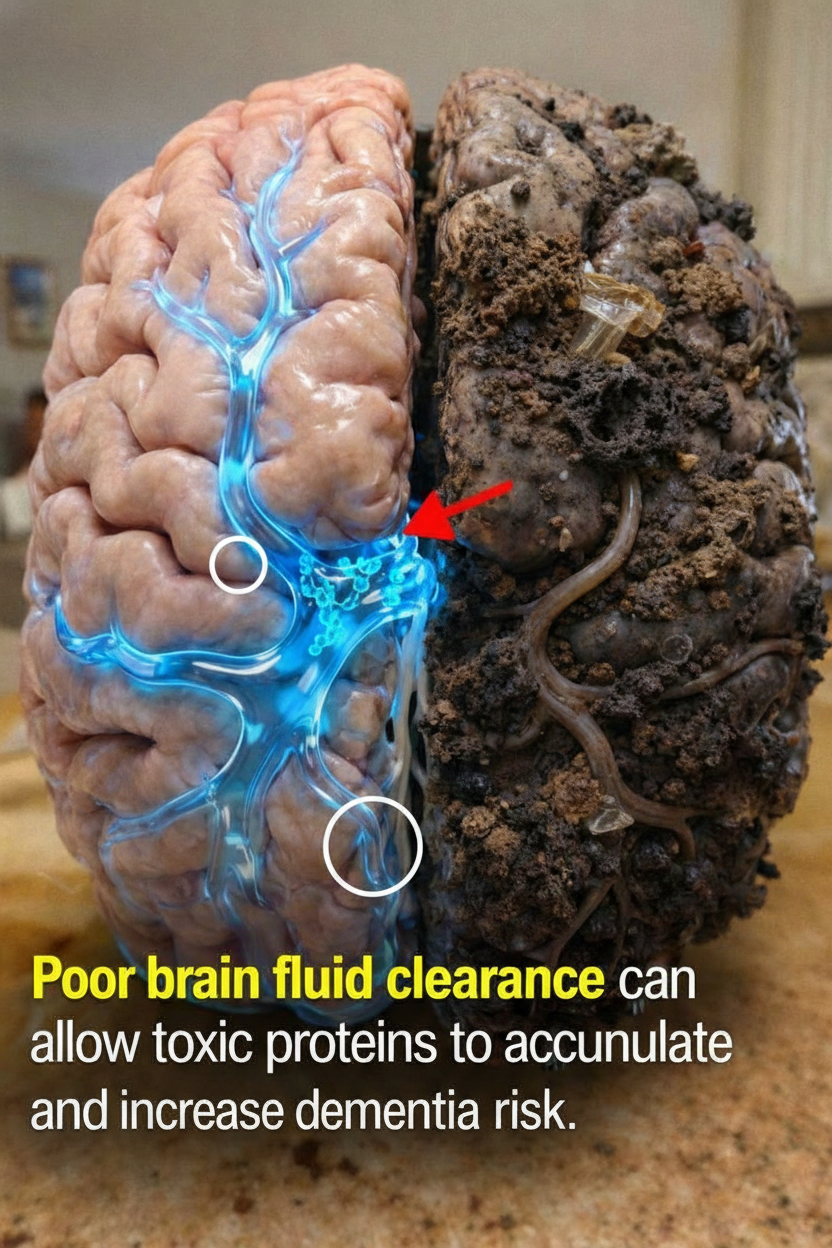
To provide a clearer understanding, here’s a summary of common risk factors, substantiated by scientific evidence, that can impede the glymphatic system’s efficacy:
- Uncontrolled High Blood Pressure: Leads to damage in the brain’s microvessels, thereby reducing the vital pulsatile flow essential for waste clearance.
- Insufficient or Fragmented Sleep: Significantly curtails the duration when the glymphatic system is most active, resulting in less efficient removal of toxins.
- Underlying Cardiovascular Conditions: Issues like arterial stiffness or impaired blood circulation directly obstruct the smooth movement of CSF within the brain.
- Natural Aging Process: While aging inherently contributes to a gradual slowdown of glymphatic activity, proactive lifestyle measures can substantially influence the degree of this decline.
- Sedentary Lifestyle and Smoking: Both negatively impact systemic circulation and compromise the health of blood vessels throughout the body, including the brain.
Research consistently indicates that adopting consistent healthy habits to address these factors holds significant promise for bolstering overall brain health and cognitive resilience.
Practical Strategies to Enhance Your Brain’s Natural Detoxification
Harnessing the power of your brain’s glymphatic system doesn’t require complex interventions. Instead, focus on adopting evidence-backed lifestyle habits that actively promote improved fluid flow and waste clearance. Here are actionable steps you can integrate into your daily life starting today:
1. Prioritize Consistent, High-Quality Sleep
- Aim for 7-9 Hours: Ensure you consistently get between seven and nine hours of sleep each night.
- Establish a Bedtime Routine: Dim lights at least an hour before bed, maintain a consistent sleep schedule (even on weekends), and avoid electronic screens, which emit blue light that can disrupt melatonin production.
- Optimize Your Sleep Environment: Make your bedroom dark, quiet, and cool to facilitate deeper, more restorative sleep, as this is when glymphatic activity is at its peak.
2. Actively Manage Blood Pressure and Vascular Health
- Embrace a Heart-Healthy Diet: Focus on a diet rich in whole foods, including abundant fruits, vegetables, whole grains, and lean proteins. Limiting processed foods, saturated fats, and added sugars is key.
- Reduce Sodium Intake: Excessive salt can contribute to high blood pressure. Be mindful of your sodium consumption.
- Regular Monitoring: Work with your healthcare provider to monitor your blood pressure regularly and manage it effectively, whether through lifestyle changes or medication if necessary.
3. Engage in Regular Physical Activity
- Boost Circulation: Consistent exercise enhances overall cardiovascular health and improves blood flow to the brain, indirectly supporting glymphatic function.
- Aim for Moderate Activity: Strive for at least 150 minutes of moderate-intensity aerobic activity or 75 minutes of vigorous activity per week, along with strength training on two or more days.
- Diverse Activities: Incorporate a mix of cardio, strength training, and flexibility exercises for comprehensive health benefits.
4. Stay Hydrated
- Support Fluid Flow: Adequate hydration is essential for the production and healthy circulation of cerebrospinal fluid, which is central to the glymphatic system.
- Drink Water Throughout the Day: Make water your primary beverage choice to ensure your body, including your brain, remains well-hydrated.
5. Consider Other Healthy Lifestyle Choices
- Avoid Smoking: Smoking severely damages blood vessels and impairs circulation, detrimental to glymphatic health.
- Limit Alcohol Consumption: Excessive alcohol can disrupt sleep patterns and negatively impact brain health.
- Manage Stress: Chronic stress can have systemic effects on the body, including cardiovascular health and sleep quality. Incorporate stress-reduction techniques like meditation or yoga.
The emerging understanding of the glymphatic system offers a powerful and hopeful perspective on proactive brain health. By recognizing our brain’s sophisticated waste removal process and the factors that influence it, we gain an unparalleled opportunity to impact our long-term cognitive well-being. The science is clear: simple, consistent lifestyle choices are not just about general health; they are fundamental to preserving a clean, functional brain and significantly reducing the risk of conditions like dementia. Take charge of your brain health today by embracing these evidence-based strategies, and invest in a clearer, sharper future.