 By admin
 Many valuable resources are often overlooked, and onion peels, particularly those from red and yellow varieties, frequently end up in the bin. However, for centuries, traditional medicine practitioners across Asia, Europe, and parts of the Middle East have recognized their potential as a gentle, nutrient-rich aid for urinary and prostate health. Contemporary scientific research, including laboratory and small human studies, is now shedding light on this ancient wisdom. Onion peels are identified as one of nature’s richest sources of quercetin, a potent flavonoid celebrated for its robust antioxidant, anti-inflammatory, and subtle hormone-modulating properties. These characteristics appear especially beneficial for supporting the prostate and bladder, particularly in men over the age of 40-50.
While no natural remedy or supplement can definitively cure conditions like BPH (benign prostatic hyperplasia), prostatitis, or an overactive bladder, consistent use of onion peel tea or quercetin-rich extracts has been associated with various improvements. Many men report enhanced urinary flow, a reduction in nighttime urgency, diminished pelvic heaviness, and an overall increase in comfort. This article delves into the scientific backing and traditional applications of this simple remedy, along with practical guidance on its safe preparation and use.
The Quercetin Powerhouse: Why Onion Peels Stand Out
Remarkably, the dry, papery outer layers of onions contain a significantly higher concentration of quercetin—often 3 to 10 times more—than the edible bulb itself. Red onions lead the pack in quercetin content, closely followed by yellow varieties. When these peels are gently simmered to create a tea, quercetin along with other beneficial polyphenols like quercetin glycosides and kaempferol are effectively released in a highly bioavailable form, making them readily absorbable by the body.
How Quercetin Supports Prostate and Bladder Health
The therapeutic benefits of quercetin for prostate and bladder comfort can be attributed to several key mechanisms:
- Combats Prostate Inflammation: Quercetin actively inhibits inflammatory pathways such as NF-κB, COX-2, and 5-lipoxygenase. This action is akin to that of mild NSAIDs but generally presents a gentler profile, helping to soothe an irritated prostate.
- Mild Hormone Modulation: It exhibits a mild inhibitory effect on 5-alpha-reductase, an enzyme responsible for converting testosterone into DHT. Elevated DHT levels are often implicated in prostate enlargement, making this a relevant supportive action.
- Potent Antioxidant Defense: Quercetin provides robust antioxidant protection, effectively neutralizing oxidative stress in delicate prostate tissues and the bladder lining, which can contribute to cellular damage and discomfort.
- Enhances Urinary Flow: Small human studies suggest that quercetin can help relax the smooth muscles within the prostate and bladder neck. This relaxation can lead to improved urinary flow and better International Prostate Symptom Score (IPSS) readings.
- Promotes Healthy Bladder Function: In certain animal models, quercetin has demonstrated the ability to reduce irritation and urgency, thereby supporting overall healthy bladder function and comfort.
Evidence-Based Benefits: What Research Says
Recent scientific investigations, particularly between 2018 and 2025, have solidified the understanding of quercetin’s role in supporting urinary health:
- Clinical Trial Success: Multiple randomized controlled trials (RCTs) have indicated that daily quercetin supplementation (typically 500–1,000 mg) significantly improved the International Prostate Symptom Score (IPSS), enhanced maximum urinary flow rate, and reduced residual urine volume in men experiencing mild-to-moderate BPH symptoms.
- Lab Discoveries: Studies conducted in laboratory settings have shown that onion peel extract possesses comparable anti-inflammatory and antiproliferative effects on prostate cells, suggesting its potential to mitigate cell growth associated with BPH.
- Dietary Links: Observational data further reinforce these findings, linking a higher dietary intake of quercetin—found abundantly in foods like onions, apples, and tea—to a slower progression of BPH and greater overall urinary comfort.
Crafting Your Own Onion Peel Tea: The Traditional Method
Preparing this traditional remedy is straightforward. Here’s a popular recipe:
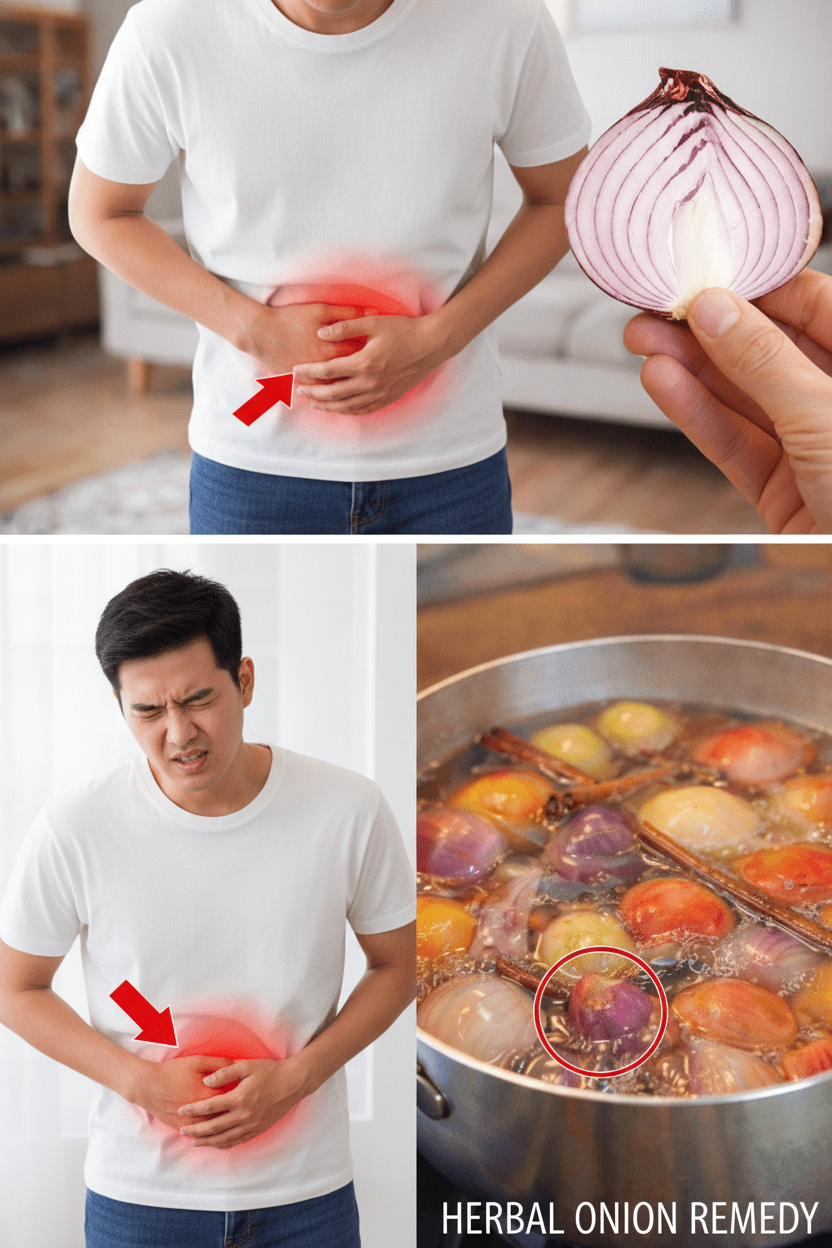
Ingredients (Yields approximately 500–750 ml — 2–3 servings):
- Peels from 3–5 medium-sized onions (red onions are preferred due to their higher quercetin content; ensure they are thoroughly washed).
- 500–750 ml of fresh water.
- Optional flavor enhancements (add after cooling):
- ½–1 teaspoon raw honey.
- A small slice of fresh ginger or a pinch of cinnamon (for added circulation benefits and taste).
Preparation Instructions:
- Carefully collect clean, dry outer peels (typically 2–3 layers from each onion), discarding any parts that show signs of mold or dirt.
- Place the prepared onion peels into a pot and add the measured water.
- Bring the mixture to a gentle boil, then reduce the heat and let it simmer, covered, for 10–15 minutes.
- Remove the pot from the heat and allow the tea to steep for an additional 10–20 minutes (a longer steeping time will result in a stronger brew).
- Strain the liquid thoroughly, pressing the peels to extract all beneficial compounds.
- If desired, stir in honey, ginger, or cinnamon.
- Consume warm or at room temperature. The most common recommendation is 1–2 cups daily, often taken in the morning on an empty stomach and again in the evening.
Alternative Quick Method: For convenience, you can store clean onion peels in a freezer bag. Once you have accumulated a sufficient quantity, prepare a larger batch of tea once a week and store it in the refrigerator. Ensure it is consumed within 4–5 days for freshness and efficacy.
What to Expect: A Realistic Timeline for Urinary Comfort
Improvements from consistent use of onion peel tea or quercetin extracts typically manifest gradually. Here’s a general timeline of what many men report:
- Within 3–7 Days:
- A subtle decrease in nighttime urgency to urinate.
- Reduced sensation of heaviness in the pelvic or lower abdominal area.
- A general feeling of a calmer, less irritated bladder.
- Within 2–4 Weeks:
- A stronger and more consistent urine stream.
- Fewer nocturnal trips to the bathroom (many observe a reduction from 3-4 times to just 1-2).
- A diminished feeling of incomplete bladder emptying.
- Within 6–12 Weeks:
- Significant enhancement in overall urinary comfort.
- A lighter, more comfortable sensation in the lower body.
- Many individuals express feeling “more in control again” of their bladder function.
Managing Expectations: Limitations of Onion Peel Tea
While beneficial, it’s crucial to understand what onion peel tea and quercetin supplements are not intended to do:
- It will not instantaneously shrink a significantly enlarged prostate.
- It is not a cure for advanced BPH that necessitates surgical intervention or powerful prescription medications.
- It should not replace any prescribed medical treatments for prostate or bladder conditions (e.g., tamsulosin, finasteride, etc.). Always consult your healthcare provider.
- Results can vary widely among individuals, as efficacy is influenced by factors such as baseline prostate size and overall health status.
Important Safety Notes: Who Should Exercise Caution
Onion peel tea, when consumed at recommended levels of 1–2 cups daily, is generally considered very safe for most healthy men. However, certain precautions are advisable:
- Stomach Sensitivity: Onion peels can be mildly irritating to some digestive systems. If you experience discomfort, begin with a smaller serving (e.g., ½ cup) and consider adding honey to mitigate potential irritation.
- Blood-Thinning Medications: Quercetin possesses mild anti-platelet properties. Individuals currently taking blood-thinning medications such as warfarin or aspirin should consult their doctor before incorporating onion peel tea or quercetin supplements into their routine.
- Low Blood Pressure: Quercetin may cause a slight reduction in blood pressure. If you have low blood pressure or are on medication for hypertension, it is recommended to monitor your blood pressure regularly and discuss with your physician.
”
}
“`