 By admin
 Nighttime Leg & Foot Discomfort: A Crucial Warning for Your Heart Health
Waking up to an insistent ache, burning sensation, or persistent cramping in your legs or feet can be profoundly disruptive. This nightly discomfort, making it difficult to return to sleep and often leading to daytime fatigue, is frequently dismissed as a natural part of aging or a simple muscle cramp. However, these recurring nighttime symptoms could be far more significant, potentially signaling diminished blood flow in your lower limbs – a critical indicator of underlying cardiovascular health issues, such as arterial plaque buildup. The encouraging news is that early recognition of these patterns and timely consultation with a healthcare provider can significantly impact your overall well-being.
What many find surprising is that these peripheral signs in the feet and legs often manifest before the more commonly recognized chest-related warnings. Understanding these subtle, yet vital, nighttime cues empowers you to take proactive steps toward managing your heart health sooner than you might expect. Let’s delve into what these signs might signify and why they warrant your immediate attention.
Understanding the Link: Heart Blockage and Your Lower Limbs
When discussions turn to “heart blockage,” the term typically refers to atherosclerosis. This is a progressive condition where fatty deposits, known as plaque, accumulate within the arteries, causing them to narrow and harden. This arterial narrowing consequently restricts the vital flow of blood. It’s crucial to understand that atherosclerosis isn’t confined to the arteries supplying the heart; it can affect arteries throughout the body, including those responsible for delivering blood to your legs and feet.
When this plaque buildup impacts the arteries in the lower extremities, the condition is specifically called Peripheral Artery Disease (PAD). Leading health organizations, such as the American Heart Association, emphasize that PAD is a strong indicator of broader cardiovascular disease risk. PAD compromises the delivery of oxygen-rich blood to leg muscles, leading to symptoms that can appear during physical activity or, in more severe instances, even at rest. Recognizing the signs of PAD is paramount, as studies consistently show a heightened risk of other serious heart and vascular complications in individuals diagnosed with this condition.
Why Nighttime Reveals These Crucial Symptoms
During daylight hours, the natural contraction of leg muscles acts as a pump, actively assisting blood circulation throughout your lower limbs. However, when you lie flat and remain still during sleep, this muscular assistance is absent. At night, gravity’s effect on blood flow changes, and overall circulation slows, making any existing reduction in blood supply significantly more pronounced. This often culminates in what medical professionals refer to as “rest pain” – a distinctive burning or aching sensation severe enough to disrupt sleep.
Observably, individuals might find temporary relief by simply dangling their legs over the side of the bed. This action leverages gravity to marginally improve blood flow to the feet and lower legs. This specific worsening of symptoms at night serves as a critical diagnostic clue, distinguishing it from ordinary muscle fatigue. Unlike general tiredness, PAD-related pain is typically more persistent and localized, often concentrating in the calves, feet, or toes, signaling a deeper circulatory issue.
Key Nighttime Foot and Leg Signs to Monitor
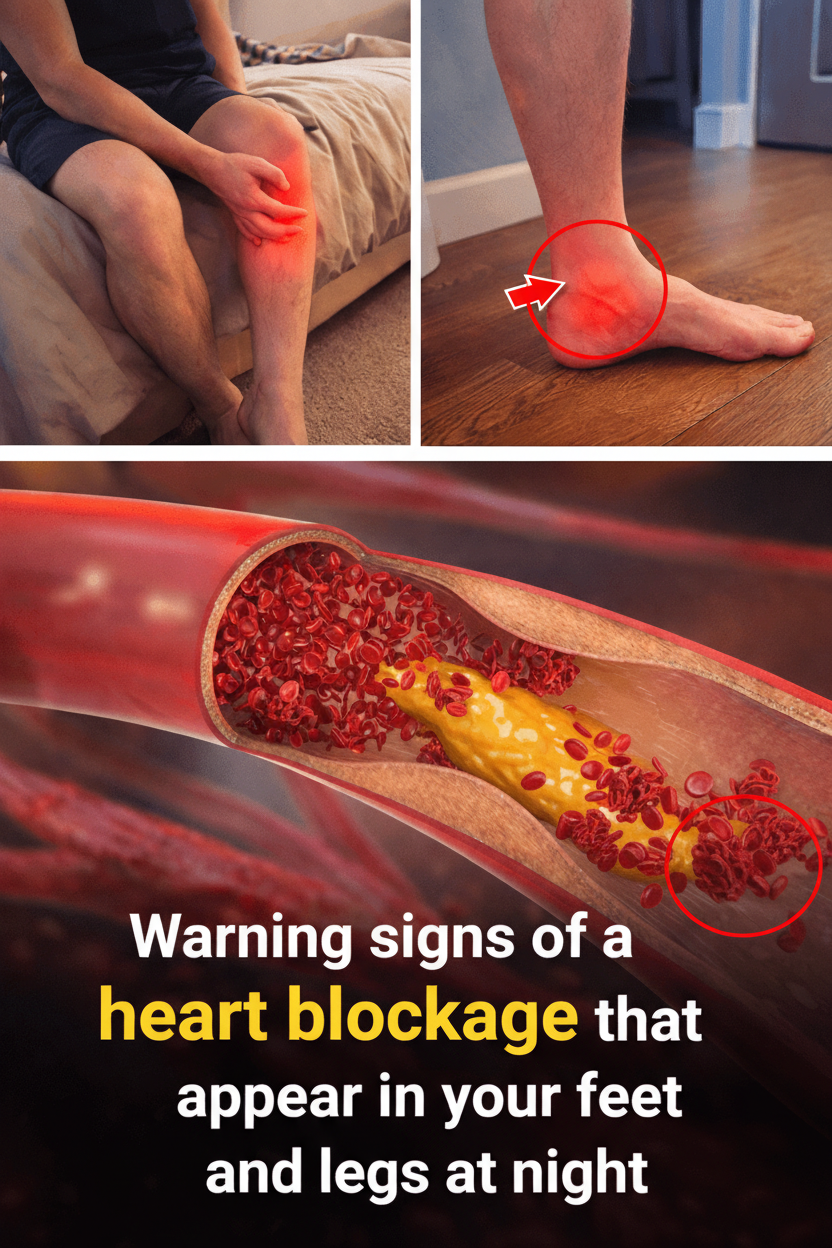
When lower limb circulation is compromised, certain patterns of discomfort and physical changes may emerge, particularly evident during nighttime hours. Be vigilant for the following:
- Persistent Pain: An aching, burning, or cramping sensation in the calves, thighs, feet, or toes that is severe enough to interrupt sleep.
- Positional Relief: Pain that intensifies when lying flat but eases somewhat when your legs are lowered or dangled off the bed.
- Sensory Disturbances: Experiencing numbness, tingling, or a distinct heavy feeling in the legs or feet while at rest.
- Temperature Differences: One leg or foot feeling consistently colder to the touch compared to the other.
- Skin and Hair Changes: The skin on your legs may appear unusually shiny, lose its hair, or show discoloration (such as paleness, a bluish tint, or redness).
- Poor Wound Healing: Sores, cuts, or minor injuries on the feet or toes that are unusually slow to heal.
It’s important to note that these signs may not all occur simultaneously, and some individuals in the early stages of arterial changes might not experience any symptoms at all. The crucial takeaway is to pay close attention if these symptoms do arise, especially if they are new, worsening, or becoming more frequent.
The Broader Implications for Your Heart Health
Evidence from extensive research unequivocally demonstrates that the presence of plaque buildup in the arteries of your legs is frequently a sentinel sign for similar arterial changes occurring elsewhere in the body, including the crucial arteries supplying the heart. Organizations like the American Heart Association highlight that a diagnosis of PAD significantly elevates the risk of cardiac events because the underlying risk factors are systemic. These shared culprits – including smoking, high blood pressure, diabetes, elevated cholesterol levels, and a sedentary lifestyle – are the primary drivers of atherosclerosis throughout the entire cardiovascular system.
Detecting and addressing peripheral arterial issues early provides a vital opportunity to proactively manage these common risk factors through targeted lifestyle modifications. Such interventions can not only improve localized circulation in your legs but also contribute substantially to enhancing your overall cardiovascular health and reducing the likelihood of future heart-related complications.
Proactive Steps and When to Seek Medical Advice
If you are experiencing these recurring nighttime leg and foot discomforts, it’s imperative to consult a healthcare professional for an accurate diagnosis and personalized advice. In the interim, while awaiting your appointment, here are some practical steps you can take:
- Optimize Sleep Position: Experiment with sleeping positions. Elevating your head slightly or placing a pillow under your calves might improve comfort and potentially aid blood flow during the night.
- Gentle Pre-Bed Movement: Incorporate light physical activity before bedtime. A brief, gentle walk or simple ankle rotation exercises can help stimulate circulation without over-exertion.
- Hydration and Lifestyle Habits: Ensure adequate hydration throughout the day. Actively avoid prolonged periods of sitting or standing. Crucially, if you smoke, seek support and resources to quit immediately. Smoking is a major contributor to arterial damage and significantly exacerbates circulatory problems.
- Manage Underlying Conditions: If you have existing conditions like diabetes, high blood pressure, or high cholesterol, diligent management of these conditions is critical.
Remember, these self-care measures are not a substitute for professional medical evaluation. Early diagnosis of Peripheral Artery Disease (PAD) and other cardiovascular issues allows for timely intervention, potentially preventing more severe complications and significantly improving your long-term health outlook. Don’t dismiss persistent nighttime leg and foot symptoms; they could be your body’s way of signaling something important about your heart health.