 By admin
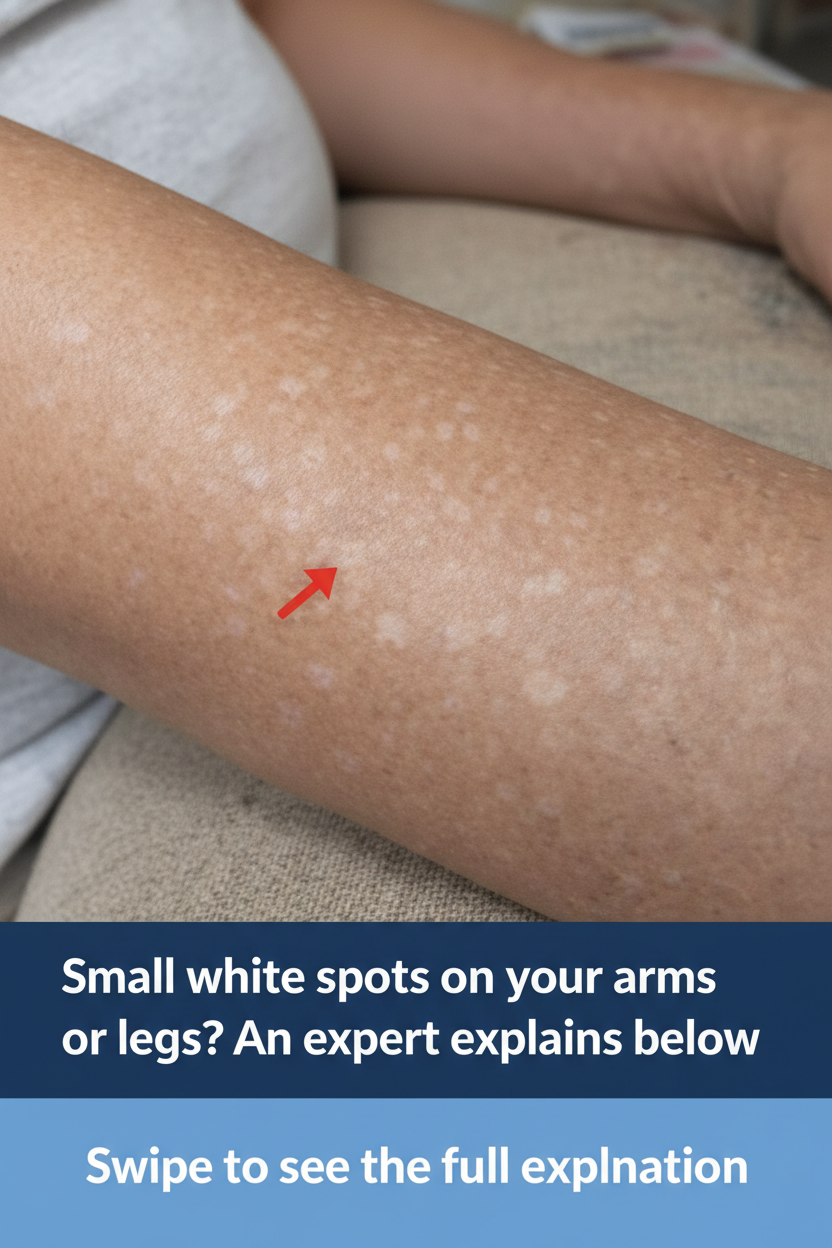
 Discovering small white spots on your arms or legs can certainly raise questions, particularly when they emerge unexpectedly and become more prominent after time in the sun. While these marks might cause some concern or self-consciousness, especially when wearing less coverage, the reassuring news is that most small white spots are linked to common, manageable factors. By understanding their origins, you can easily implement practices to foster healthier, more uniform-looking skin. Stick with us, as we’ll reveal a key, often-overlooked connection between many of these skin changes later in this comprehensive guide.
What Exactly Are Small White Spots on the Skin?
Small white spots, medically known as hypopigmented macules, are areas of skin that appear noticeably lighter than the surrounding complexion. These skin discolorations frequently develop on sun-exposed regions like the arms, legs, shoulders, and hands. It’s crucial to understand that not all these spots share the same root cause. Some are directly related to sun damage, others stem from minor skin conditions, and environmental elements can also play a role. The interesting part? The majority of these small white spots are benign and a common occurrence, often surprising individuals who perceive them as unique issues rather than widespread skin phenomena.
Exploring the Most Common Causes of White Skin Spots
Pinpointing the potential triggers for these white spots often begins with observing their appearance patterns and locations. Your daily routines, local climate, and individual skin type are all influential factors.
1. Sun-Related Pigment Changes: Idiopathic Guttate Hypomelanosis (IGH)
One of the most frequent explanations for tiny white spots on the skin is Idiopathic Guttate Hypomelanosis, or IGH. This condition is characterized by a reduction in skin pigment, typically presenting as:
- Small, usually 2-5 mm in diameter
- Flat and smooth to the touch
- Noticeably lighter or pale compared to surrounding skin
- Predominantly found on sun-exposed areas such as the shins and forearms
Extensive research indicates that prolonged exposure to ultraviolet (UV) radiation can gradually impair the skin’s pigment-producing cells (melanocytes). Over time, this cumulative sun damage leads to distinct areas that lose their ability to tan evenly. These spots often become even more apparent after sunbathing, as the unaffected skin darkens while the hypopigmented patches remain light.
2. Mild Fungal Overgrowth: Tinea Versicolor
In warm, humid climates, a common yeast (Malassezia) that naturally resides on the skin can sometimes proliferate excessively. This overgrowth, known as Tinea Versicolor, can lead to patches of skin that appear lighter or darker than your normal skin tone. These characteristic patches may:
- Have a slightly scaly or flaky texture
- Become more visible when you sweat or after sun exposure
- Typically occur on the chest, back, arms, or neck
The good news is that this type of skin discoloration is quite common and generally responds well to appropriate antifungal treatments and consistent skincare routines.
3. Dry Skin & Childhood Skin Conditions: Pityriasis Alba
Another prevalent cause, particularly among children and young adults, is Pityriasis Alba. This mild inflammatory skin condition often manifests as:
- Light-colored, sometimes faintly pink, patches
- Mild dryness or subtle flaking within the affected areas
- Patches that gradually fade over several months or years
Severely dry skin can temporarily alter how light reflects off the skin’s surface, creating a paler appearance. These areas often show significant improvement with diligent moisturizing and hydration.
4. Autoimmune-Related Pigment Loss: Vitiligo
In less common instances, white patches on the skin might be indicative of autoimmune conditions where the body’s immune system mistakenly attacks and destroys pigment-producing cells. Such patches typically:
- Are larger and have clearly defined, often irregular borders
- Tend to spread slowly and progressively over time
- May appear symmetrically on both sides of the body
It’s important to remember that most small white spots are benign; however, noticing distinct patterns, rapid changes, or significant spread warrants professional evaluation.
Distinguishing Harmless White Spots from Those Needing Medical Attention
Not all white spots carry the same significance. Paying close attention to specific characteristics can help you determine your next steps. Consider the following:
- Size: Very small, uniform, and round spots are often benign.
- Texture: Smooth, flat skin is usually a sign of a mild, non-concerning cause.
- Sensation: The absence of itching, pain, redness, or discomfort is generally reassuring.
However, it is highly advisable to seek professional medical advice if the white spots:
- Spread rapidly or unexpectedly
- Undergo significant changes in shape, size, or appearance
- Are accompanied by other symptoms like persistent itching, inflammation, or pain
When to Consult a Dermatologist for White Spots
Sometimes, simply gaining peace of mind is the best reason to seek expert advice. A board-certified dermatologist can provide a thorough assessment by:
- Examining your skin using specialized diagnostic tools, such as a Wood’s lamp
- Inquiring about your history of sun exposure, family medical background, and lifestyle
- Ruling out less common or more serious underlying skin conditions
Medical literature suggests that early evaluation can be crucial in clarifying whether skin changes are purely cosmetic or require specific monitoring or treatment. To make your appointment as productive as possible, prepare by noting:
- The approximate date when the spots first appeared
- Any recent travel, significant sun exposure, or changes in environment
- Details about new skincare products, medications, or routines you’ve adopted
This information will greatly assist your dermatologist in making an accurate diagnosis and recommending the best course of action.
Everyday Habits for Promoting Even Skin Tone and Preventing White Spots
Achieving and maintaining an even skin tone doesn’t necessitate complex regimens or expensive products. Small, consistent habits incorporated into your daily life can yield significant improvements over time.
The Critical Role of Daily Sun Protection
Sun exposure is arguably the most powerful contributing factor to various pigment changes, including the development and exacerbation of small white spots. Protecting your skin from harmful UV rays is paramount:
- Apply Broad-Spectrum Sunscreen: Use a sunscreen with an SPF of 30 or higher daily, even on cloudy days. Reapply every two hours, or more frequently if swimming or sweating.
- Seek Shade: Limit direct sun exposure, especially during peak hours (10 AM to 4 PM).
- Wear Protective Clothing: Opt for wide-brimmed hats, sunglasses, and UV-protective clothing when outdoors for extended periods.
Consistent sun protection not only helps prevent new spots but can also reduce the prominence of existing ones by preventing surrounding skin from darkening. This brings us back to that “overlooked factor” we mentioned: the cumulative effect of sun exposure over a lifetime. It is the single most unifying factor contributing to many forms of skin discoloration, including the small white spots we’ve discussed.
Maintain Optimal Skin Hydration
For conditions like Pityriasis Alba, keeping your skin well-hydrated is key. Regularly apply a gentle, fragrance-free moisturizer, particularly after showering, to lock in moisture and support the skin’s natural barrier function. Hydrated skin looks healthier and can help minimize the appearance of dryness-related pale patches.
Embrace Gentle Skincare Practices
Avoid harsh scrubs, abrasive cleansers, or strong chemical exfoliants, especially if your skin is prone to sensitivity or dryness. Gentle skincare helps maintain the skin’s integrity and prevents irritation that could potentially worsen existing conditions or contribute to new ones. Choose mild, pH-balanced products suitable for your skin type.
Address Fungal Overgrowth Promptly
If you suspect Tinea Versicolor is the cause of your white spots, over-the-counter antifungal creams, lotions, or shampoos containing ingredients like selenium sulfide or ketoconazole can be effective. For persistent or widespread cases, a dermatologist can prescribe stronger treatments.
Final Thoughts: Empowering Your Skin Health
While small white spots on your skin can be a source of concern, understanding their diverse causes empowers you to take proactive steps. From diligent sun protection, which we’ve highlighted as the overarching common thread, to consistent moisturizing and knowing when to consult a professional, you have many tools at your disposal. By adopting these simple yet effective skincare habits, you can foster healthier, more resilient skin and confidently address any concerns that arise.