 By admin
 That familiar “pins-and-needles” sensation, medically known as paresthesia, often starts subtly in your hands or feet—perhaps a brief tingle after an awkward posture. However, when this sensation becomes a frequent visitor, lingering for extended periods or disrupting daily life, it can escalate from a minor annoyance to a significant concern. Many individuals initially dismiss these symptoms as mere fatigue or poor circulation, only to find them gradually worsening, impacting balance, grip strength, or overall comfort.
The good news is that understanding the potential underlying reasons for these sensations is the first step toward effective management. This comprehensive article will delve into the most common factors contributing to numbness and tingling in hands and feet. By the end, you’ll be equipped with knowledge about these conditions and practical habits to support optimal nerve health in your daily routine.
What Exactly Happens When Your Hands or Feet Feel Numb or Tingly?
Experiencing numbness typically involves a reduced or complete loss of sensation, while tingling manifests as that distinctive prickly, crawling, or “pins and needles” feeling. Both are signals that the nerves—the intricate communication network between your brain, spinal cord, and limbs—are encountering some form of interference.
Temporary episodes, like when an arm or leg “falls asleep” due to sustained pressure, are generally harmless and resolve quickly once the pressure is relieved. However, when these symptoms become persistent, recurrent, or intensify, they may indicate more significant nerve irritation or damage. These sensations frequently originate in the extremities because the nerves reaching your hands and feet are the longest in your body, making them particularly vulnerable to various stressors.
Leading health institutions, including the Mayo Clinic and Cleveland Clinic, highlight that peripheral nerves—those extending beyond the brain and spinal cord—are especially susceptible. When these nerves are compromised, whether by compression, injury, or disease, they can send abnormal signals to the brain, resulting in sensations described as burning, prickling, electrical shocks, or even a complete absence of feeling. Yet, this is merely part of the larger picture…
Common Causes Behind Numbness and Tingling in Hands and Feet
A variety of everyday scenarios and underlying health conditions can trigger these perplexing symptoms. Here’s a detailed look at the most frequently identified culprits:
- Diabetes and Blood Sugar Imbalances: Chronically elevated blood sugar levels are a primary driver of nerve damage, a condition known as diabetic neuropathy. This often begins in the feet and hands, presenting as a gradual onset of tingling or numbness, and can progressively worsen if blood sugar isn’t managed effectively.
- Nutritional Deficiencies: Inadequate levels of specific vitamins, particularly B vitamins like B12, are crucial for healthy nerve function. A deficiency can impair nerve signal transmission and regeneration, commonly affecting individuals with diets low in animal products or those with malabsorption issues.
- Nerve Compression Syndromes: Repetitive strain or anatomical abnormalities can compress nerves, leading to localized tingling and numbness. Classic examples include carpal tunnel syndrome in the wrists, which affects fingers and hands, or similar nerve entrapments in the ankles and feet.
- Circulation Problems and Positional Issues: Prolonged sitting or standing in static positions can temporarily restrict blood flow to limbs, causing transient numbness. More serious, chronic poor circulation, often due to narrowed blood vessels (peripheral artery disease), can lead to persistent nerve symptoms as nerves are deprived of essential oxygen and nutrients.
- Spinal Nerve Impingement: Issues within the spine, such as a herniated disc, spinal stenosis, or bone spurs, can exert pressure on nerves as they exit the spinal cord. This compression can cause radiating numbness, tingling, or pain down the arms or legs.
- Other Medical Conditions and Lifestyle Factors: Various other factors can contribute, including certain infections (e.g., Lyme disease), side effects from medications (e.g., chemotherapy drugs), excessive alcohol consumption (alcoholic neuropathy), and autoimmune disorders (e.g., lupus, multiple sclerosis) which can directly attack nerve tissue.
Distinguishing Temporary vs. Persistent Symptoms
It’s vital to differentiate between fleeting sensations and ongoing concerns:
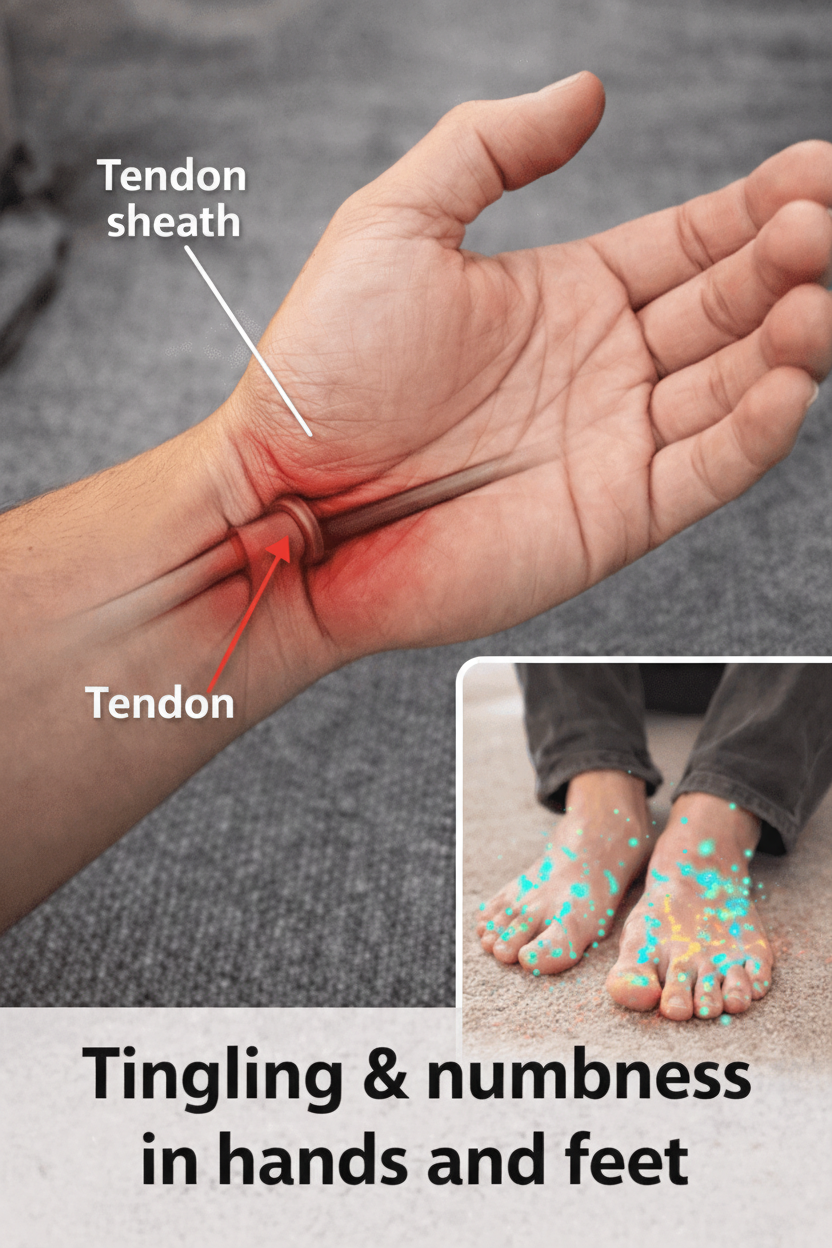
- Temporary Symptoms (usually benign): These typically resolve quickly after changing position, are not associated with pain, muscle weakness, or significant discomfort.
- Persistent Symptoms (warranting attention): These last for days or weeks, may intensify, involve burning sensations, muscle weakness, coordination difficulties, or changes in balance.
The key distinction lies in resolution: temporary issues self-correct, whereas persistent ones often require medical evaluation to prevent progression and address underlying causes.
Why These Sensations Predominantly Affect Hands and Feet
The nerves extending to your hands and feet are the body’s longest, making them inherently more susceptible to damage from metabolic imbalances, physical compression, or compromised blood supply. This vulnerability is particularly evident in conditions like peripheral neuropathy—a general term for nerve damage outside the brain and spinal cord. In peripheral neuropathy, symptoms typically manifest distally (farthest from the body’s core) first, often in the toes and fingers, and may gradually ascend if the root cause remains unaddressed.
Medical experts consistently underscore that early recognition of these symptoms and proactive management of contributing factors are crucial for preserving quality of life and preventing more significant neurological impairment. And now for practical insights…
Actionable Steps You Can Take Today to Support Nerve Comfort
While a definitive diagnosis and treatment plan should always come from a qualified healthcare professional, certain lifestyle adjustments can significantly help manage mild symptoms and foster overall nerve well-being. Consider incorporating these evidence-backed habits into your daily life:
1. Enhance Blood Flow Through Regular Movement
- Take Frequent Breaks: If your work involves prolonged sitting or standing, make it a point to take short breaks every 30-60 minutes. Stand up, stretch, or take a brief walk.
- Targeted Stretches: Perform simple wrist circles, finger stretches, or ankle rolls to alleviate localized pressure and encourage circulation, especially during desk work or long commutes.
- Elevate Limbs: When resting, elevate your feet to promote venous return and improve overall blood flow to the lower extremities.
2. Prioritize Nutrient-Rich Eating for Nerve Health
A balanced diet is fundamental for maintaining healthy nerve function. Pay particular attention to:
- B Vitamins: Ensure adequate intake of B vitamins, especially B12, B6, and folate. Excellent sources include leafy green vegetables, eggs, lean meats, fish, nuts, seeds, and fortified whole grains. These vitamins are vital for nerve insulation (myelin sheath) and neurotransmitter production.
- Antioxidants: Foods rich in antioxidants (berries, colorful vegetables) can help protect nerves from oxidative stress.