 By admin
 Navigating the challenges of high blood pressure can be daunting, often accompanied by symptoms like persistent fatigue, headaches, and a constant concern for long-term cardiovascular well-being. A significant portion of the adult population unknowingly falls short on magnesium intake – an essential mineral renowned for its role in promoting blood vessel relaxation. This widespread, yet often overlooked, deficiency can subtly but significantly influence the body’s ability to regulate blood pressure effectively.
Emerging research consistently highlights that an adequate intake of magnesium may contribute to maintaining healthier blood pressure levels by fostering vascular relaxation and mitigating systemic inflammation. Dive into these 10 magnesium-rich foods that can naturally elevate your daily intake, and discover simple, enjoyable ways to incorporate them into your diet more frequently.
Why Magnesium is Crucial for Blood Pressure Support
Magnesium is a vital cofactor involved in over 300 biochemical reactions within the body, impacting everything from muscle function to nerve transmission. When focusing on blood pressure regulation, magnesium-rich foods offer several key benefits:
- Promoting Vasodilation: It encourages blood vessels to widen and relax, partly by boosting the production of nitric oxide, a potent vasodilator.
- Natural Calcium Channel Blocker: Magnesium acts in a manner similar to certain medications by helping to regulate calcium movement into cells, which can influence arterial stiffness.
- Reducing Inflammation: It plays a role in tempering chronic inflammation, a factor known to negatively impact arterial health and overall cardiovascular function.
Studies, including comprehensive reviews from esteemed health organizations, suggest a compelling association between higher magnesium consumption and modest support for healthy blood pressure in various individuals. While dietary magnesium is not a standalone remedy for hypertension, integrating magnesium-rich foods into a balanced nutritional plan represents a gentle yet impactful step toward holistic wellness. If you’re experiencing ongoing fatigue, muscle weakness, or other subtle indicators of low magnesium, these delicious foods provide an excellent avenue to boost your levels.
Subtle Signs You Might Benefit from Increased Magnesium Intake
Magnesium deficiency is remarkably common, largely due to modern diets that often lack whole, unprocessed foods. Pay attention to these potential indicators:
- Persistent tiredness or exhaustion, even after sufficient rest.
- Unexplained muscle cramps, spasms, or general weakness.
- A decrease in appetite or mild feelings of nausea.
Consistently including magnesium-rich foods in your diet can gradually help alleviate these subtle symptoms over time, fostering improved well-being.
The Top 10 Magnesium-Rich Foods for Optimal Daily Support
-
🥬 Spinach
This versatile leafy green stands out as a premier source of dietary magnesium, offering approximately 157 mg per cooked cup. Beyond its magnesium content, spinach contributes to healthy blood pressure levels through its rich supply of potassium and vital antioxidants. Integrate spinach effortlessly into your daily routine by adding it to salads, blending it into smoothies, or lightly sautéing it for a nutritious side dish that helps sustain energy. -
🌱 Pumpkin Seeds
Just a small handful (1 ounce) of pumpkin seeds delivers around 150 mg of magnesium, making them an exceptional snack among magnesium-rich foods. Their beneficial zinc and healthy fats offer additional cardiovascular support. Lightly roast them for a crunchy, satisfying treat that can help combat afternoon fatigue and support heart health.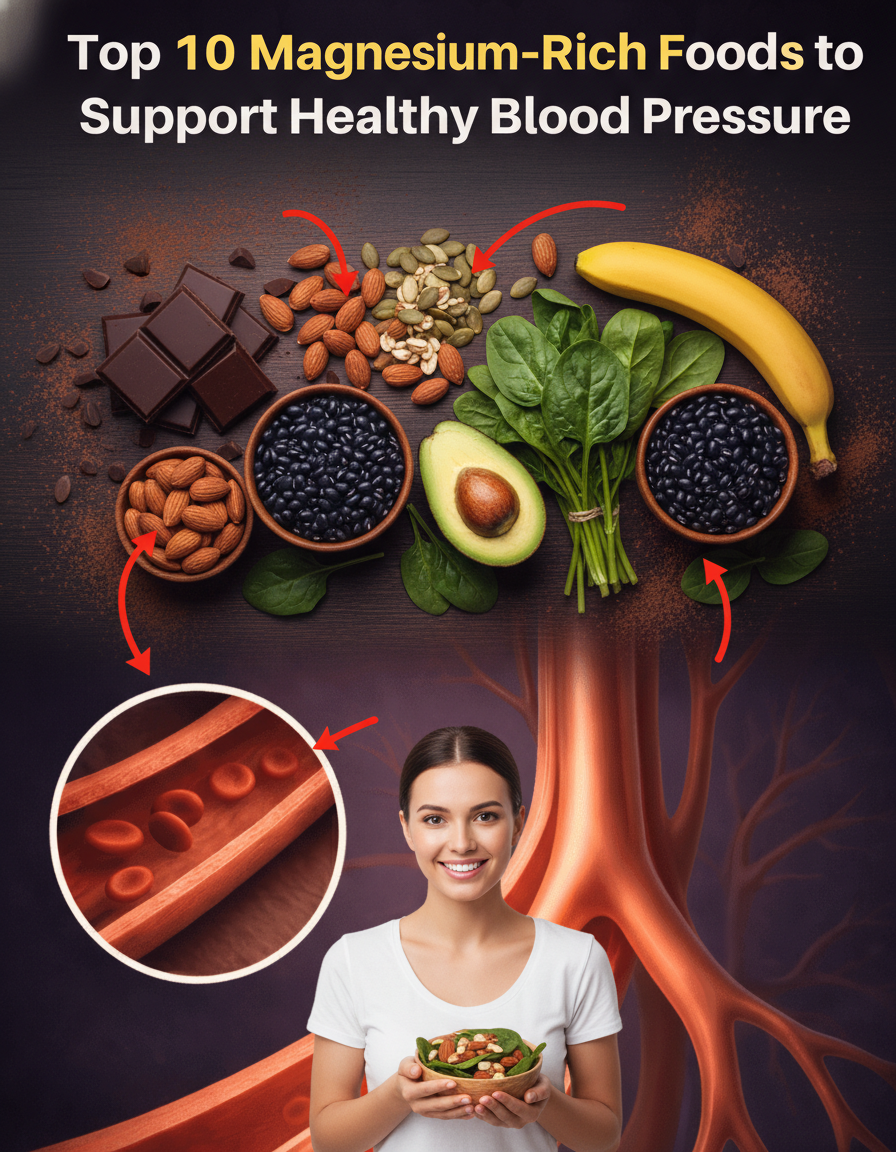
-
🥜 Almonds
Almonds provide roughly 80 mg of magnesium per ounce, complemented by vitamin E for potent antioxidant benefits. As convenient, portable magnesium-rich foods, they are perfect for on-the-go snacking, actively promoting healthy blood vessel function and overall well-being. -
🌿 Artichokes
One medium artichoke offers about 50-60 mg of magnesium, alongside a substantial amount of fiber that aids digestive health. These distinctive vegetables are often underestimated as magnesium-rich foods, yet their unique nutrient profile can contribute significantly to balanced blood pressure. -
🥑 Avocados
Half an avocado provides around 30-40 mg of magnesium, along with heart-friendly monounsaturated fats. Creamy and incredibly satisfying, avocados transform magnesium-rich foods into an indulgent experience, whether enjoyed on toast, in salads, or as a delightful guacamole. -
🐟 Wild-Caught Tuna
A 3-ounce serving of wild-caught tuna yields approximately 50 mg of magnesium, combined with beneficial omega-3 fatty acids known for their inflammation-reducing properties. Opting for wild-caught varieties adds high-quality protein to your lineup of magnesium-rich foods. -
🐟 Wild Salmon
Similar to tuna, a 3-ounce serving of wild salmon offers around 30 mg of magnesium, alongside a wealth of essential fatty acids. This flavorful fish makes meals an excellent opportunity to enjoy magnesium-rich foods that actively support comprehensive cardiovascular wellness. -
🥒 Zucchini
One cup of cooked zucchini contains about 40 mg of magnesium, especially when the nutrient-dense skin is consumed. Low in calories and remarkably versatile, zucchini is an accessible and refreshing addition to your magnesium-rich foods, particularly ideal for lighter summer dishes. -
🍠 Sweet Potatoes
A medium sweet potato provides roughly 50 mg of magnesium, along with an abundance of fiber and beta-carotene. Whether baked or mashed, sweet potatoes are comforting magnesium-rich foods that satisfy while contributing to a steady intake of vital nutrients. -
🍫 Dark Chocolate (70-85% Cacao)
One ounce of high-quality dark chocolate delivers about 60 mg of magnesium, plus mood-boosting flavonoids. As a delightful treat among magnesium-rich foods, it proves that supporting your health can be a truly enjoyable experience, when consumed in moderation.
Magnesium Content in These Foods at a Glance
| Food | Approximate Magnesium (per serving) | Serving Example |
|---|---|---|
| Spinach | 157 mg | 1 cup cooked |
| Pumpkin Seeds | 150 mg | 1 ounce |
| Almonds | 80 mg | 1 ounce |
| Artichoke | 60 mg | 1 medium |
| Dark Chocolate | 60 mg | 1 ounce (70-85% cacao) |
| Sweet Potato | 50 mg | 1 medium |
| Tuna (wild-caught) | 50 mg | 3 ounces |
| Avocado | 30-40 mg | ½ avocado |