 By admin
 Understanding the Relationship Between Breast Size and Hormonal Health – dogpjs.com Skip to content Thursday, January 29 2026 Facebook Twitter Pinterest Home Herbal Medicine Home Tips Garden Tips Healthy Life Search Search for: Account Thursday, January 29 2026 Search Search for: Menu Home » Healthy Life » Understanding the Relationship Between Breast Size and Hormonal Health
Unpacking the Link Between Breast Size and Hormonal Health
Breast size exhibits significant diversity among women, a characteristic shaped by a complex interplay of genetic predispositions, overall body composition, age, and hormonal fluctuations. Many individuals often ponder whether breast size offers meaningful insights into their hormonal equilibrium or broader health status. While hormones such as estrogen and progesterone undeniably play a crucial role in breast development and transient alterations, it’s important to understand that breast size on its own is not a definitive indicator of one’s hormonal well-being.
The Hormonal Symphony: How Hormones Shape Breast Development and Size
Hormones serve as primary architects of breast growth, particularly during distinct life phases:
- Puberty: This pivotal stage sees estrogen stimulating the proliferation of breast duct tissue, while progesterone concurrently supports the development of glandular structures. The majority of permanent breast growth typically occurs during this period.
- Menstrual Cycle: Many women observe a temporary increase in breast fullness or size during the latter half of their cycle. This phenomenon is attributed to the natural rise in progesterone and estrogen levels, with these changes usually subsiding once menstruation begins.
- Pregnancy and Breastfeeding: A synergistic action of estrogen, progesterone, and prolactin leads to a substantial increase in breast size, preparing the body for milk production. Post-breastfeeding, breasts commonly revert closer to their pre-pregnancy dimensions.
- Menopause: As estrogen levels naturally decline during menopause, women typically experience a reduction in breast density and often size, as glandular tissue is gradually replaced by adipose (fat) tissue.
Beyond hormones, genetic inheritance and the percentage of body fat are frequently the most potent determinants of an individual’s baseline breast size. Adipose tissue within the breasts significantly contributes to their volume, which inherently explains why fluctuations in body weight can alter their appearance.
Does Breast Size Signal a Hormonal Imbalance?
It’s generally the *sudden or unusual changes* in breast size—rather than the baseline size itself—that can occasionally point towards underlying hormonal shifts. Certain medical conditions, such as polycystic ovary syndrome (PCOS) or thyroid disorders, might indirectly influence breast tissue through their broader systemic hormonal effects. However, these conditions do not consistently lead to either larger or smaller breasts across all affected individuals.
Historically, some research has explored potential correlations between breast size and specific hormone levels (e.g., elevated prolactin or luteinizing hormone in particular demographics). Nevertheless, these findings remain limited in scope and are not routinely employed in clinical practice for assessing overall health. Medications, including hormonal contraceptives or hormone replacement therapy, can also induce temporary breast enlargement, often due to fluid retention or an increase in tissue growth.
Crucially, breast *density* (the proportion of fibrous and glandular tissue compared to fat) is a far more recognized factor linked to specific health risks, particularly challenges in breast cancer screening, than overall breast size.
Debunking Common Myths About Breast Size and Hormones
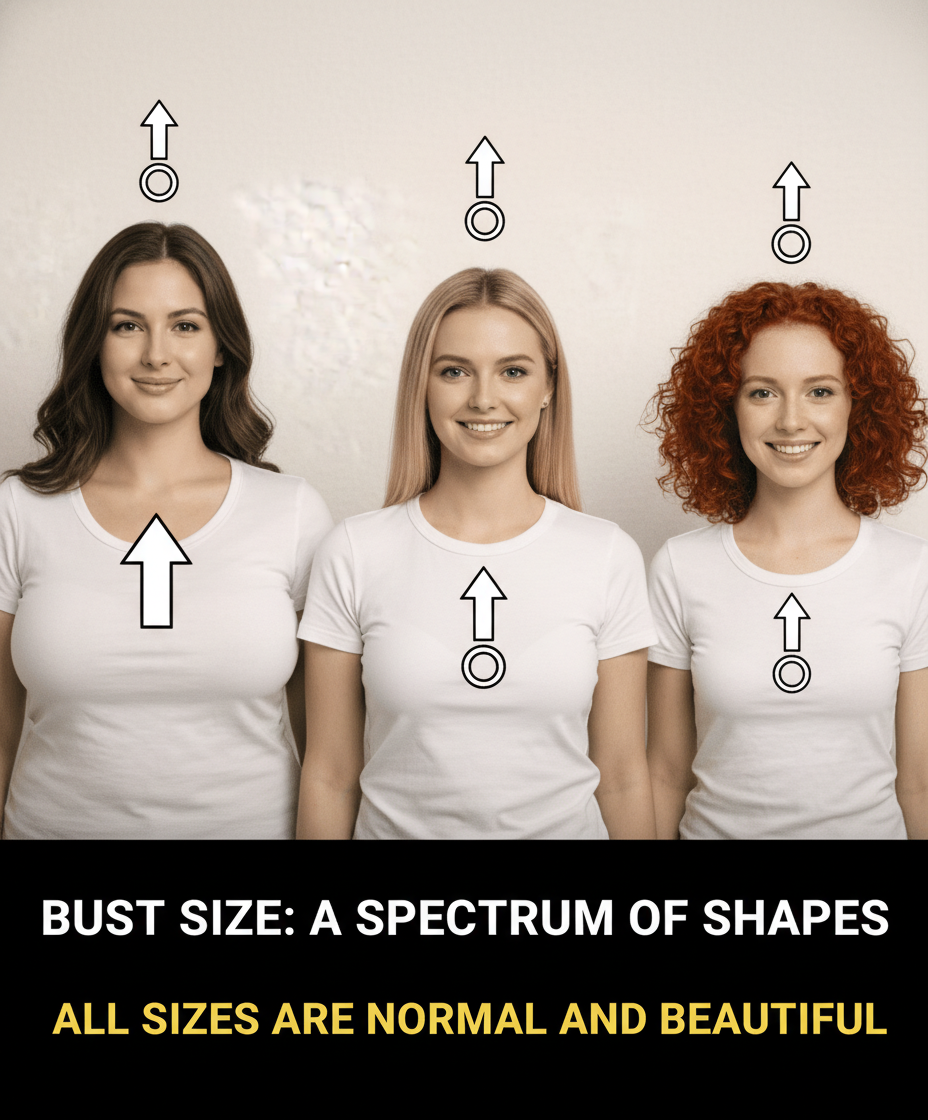
Several misconceptions persist regarding breast size and its connection to hormonal health:
- Myth: Exceptionally large or very small breasts are indicative of a serious underlying hormonal problem.
Reality: A wide range of breast sizes is entirely normal and primarily determined by genetics. Size alone is not a diagnostic tool for hormonal imbalances. - Myth: Specific foods or dietary supplements can permanently enlarge breasts by boosting hormone levels.
Reality: There is no robust scientific evidence to support these claims. While temporary changes might occur due to overall weight gain, targeted hormonal effects from diet are generally minimal. - Myth: Larger breasts automatically mean higher estrogen levels and poorer health outcomes.
Reality: While estrogen is a driver of breast tissue growth, numerous factors interact to determine breast size. Larger breasts can simply reflect an individual’s unique body composition.
When Changes in Breast Size Warrant Medical Attention
While minor, normal fluctuations are common, it is advisable to consult a healthcare professional if you observe any of the following:
- A sudden, unexplained increase or decrease in breast size.
- Asymmetry between breasts that develops rapidly or becomes significantly more pronounced.
- Any accompanying symptoms such as pain, new lumps, skin changes, or nipple discharge alongside size alterations.
- Other systemic symptoms like irregular menstrual periods, unusual hair growth, or persistent fatigue, which could suggest broader hormonal concerns.
A doctor can conduct a thorough examination, and if deemed necessary, order blood tests to assess hormone levels and rule out any underlying medical conditions.
Nurturing Hormonal Health Naturally
Adopting a holistic approach to maintaining overall hormonal balance profoundly supports both breast health and general well-being:
- Balanced Nutrition: Consume a diet rich in whole, unprocessed foods.
- Regular Exercise: Engage in consistent physical activity.
- Stress Management: Implement effective strategies to manage daily stressors.
- Adequate Sleep: Prioritize getting sufficient restful sleep.
- Limit Toxins: Avoid excessive alcohol consumption and smoking.
These foundational lifestyle habits play a crucial role in regulating key hormones like estrogen and insulin, thereby indirectly benefiting the health of breast tissue and the body as a whole.
Frequently Asked Questions (FAQs)
- Can hormonal birth control permanently alter breast size?
Hormonal contraceptives can induce temporary breast enlargement in some women, often due to fluid retention or a tissue response. However, breast size typically reverts to its baseline after discontinuing their use. - Do larger breasts automatically increase health risks related to hormones?
Breast size itself is not considered a direct risk factor for most health concerns. Factors such as breast density and family history are far more relevant when assessing risks like breast cancer. - Is it normal for one breast to be larger than the other?
Yes, slight asymmetry between breasts is remarkably common and is generally not a cause for health concern.
This information is provided for educational purposes only and should not be considered a substitute for professional medical advice, diagnosis, or treatment. Always seek the advice of your physician or other qualified health provider with any questions you may have regarding a medical condition.