 By admin
 Nipah Virus Outbreak in India: Unpacking the Threat and Essential Safety Measures
Imagine the unsettling news of a rare and highly dangerous virus emerging in your region – one that initially mimics common illnesses but can quickly escalate to severe complications. This scenario became a reality in India in late January 2026, when health authorities confirmed cases of the Nipah virus in West Bengal. Experts quickly highlighted Nipah’s alarming mortality rate and its deceptive early symptoms as key reasons for immediate concern.
The encouraging news? Prompt and decisive action has, so far, successfully contained this specific outbreak. However, a critical piece often overlooked is the profound importance of understanding how this virus spreads and the simple yet effective precautions that can protect you and your community, should it ever strike closer to home. Stay with us, as this article will equip you with practical, actionable strategies to enhance your safety, starting today.
Understanding Nipah Virus: A Zoonotic Threat
Nipah virus (NiV) is classified as a zoonotic virus, meaning it naturally transmits from animals to humans. Its identification dates back to 1999 during an outbreak in Malaysia. The primary natural hosts for Nipah are fruit bats, also known as flying foxes. These bats typically remain asymptomatic carriers, shedding the virus through their bodily fluids like saliva, urine, or droppings, which can then contaminate fruits or raw date palm sap.
In humans, Nipah infection can lead to a spectrum of severe illnesses. Initial symptoms often resemble a common flu: fever, headaches, profound fatigue, and body aches. However, the disease can rapidly progress to more serious conditions, including acute respiratory distress or life-threatening brain inflammation (encephalitis). Research indicates a high fatality rate for Nipah, ranging from 40% to 75%, influenced by the specific outbreak and the availability of advanced medical care. This alarming statistic is precisely why global health organizations monitor it so closely. Currently, there is no approved vaccine or specific antiviral treatment for Nipah virus, compelling medical professionals to focus on supportive care aimed at managing symptoms and assisting the body’s natural defenses.
India’s Vigilance: The Latest Outbreak in January 2026
The most recent Nipah incident in India began in late December 2025, when two healthcare workers in West Bengal tested positive for the virus. This marked the first recorded cases in the state since 2007. Authorities responded with exceptional speed, identifying and monitoring 196 close contacts, including family members, colleagues, and patients. Reassuringly, all contacts tested negative and displayed no symptoms of infection. By late January, India’s health ministry officially declared the outbreak contained, with no further spread beyond the initial two cases.
Despite its swift containment, news of the outbreak prompted heightened airport screenings and vigilance in several countries, including Thailand, Singapore, Malaysia, and Hong Kong. This rapid international response stems from previous, more challenging outbreaks in Kerala, southern India, which have seen multiple clusters and fatalities since 2018. The West Bengal event served as a stark reminder of Nipah’s potential for sudden emergence, particularly in high-contact environments such as hospitals.
Why Nipah Demands Urgent Attention: Key Factors
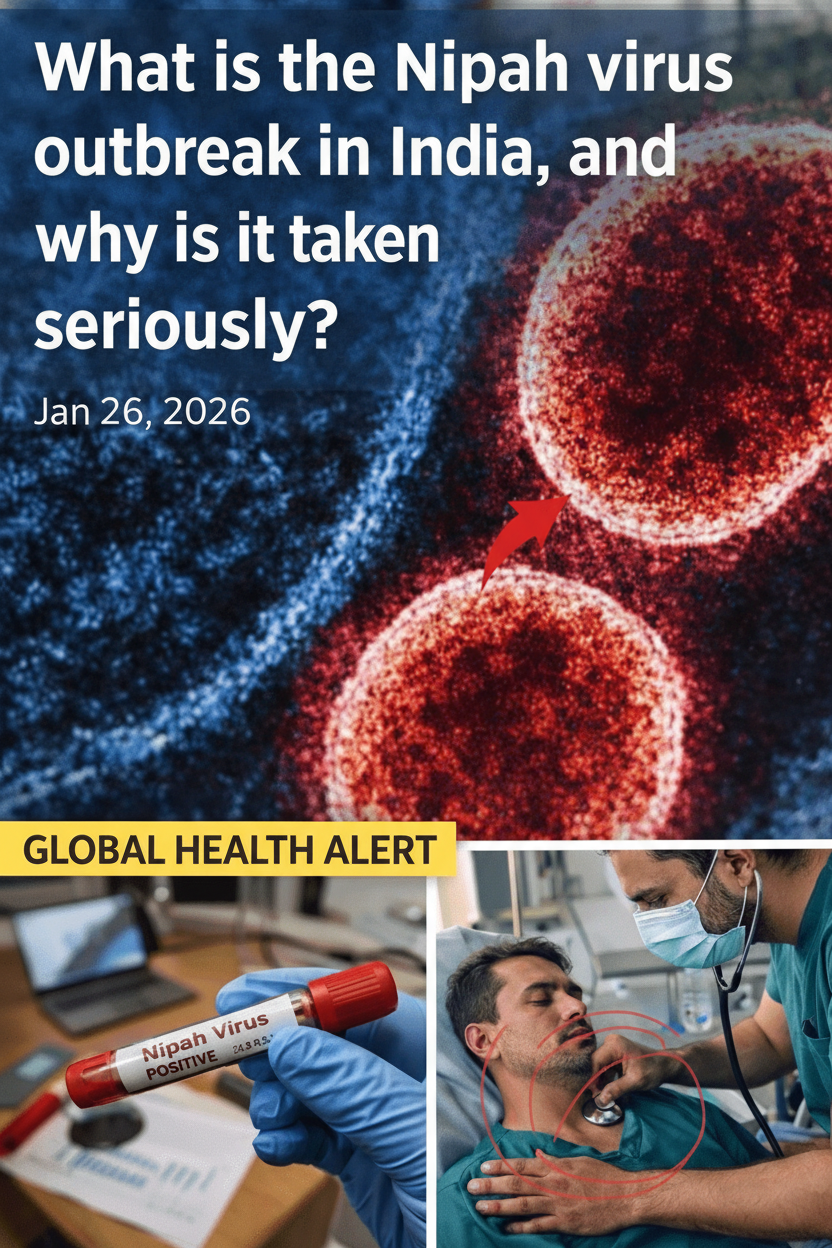
Health experts and governments worldwide react to Nipah outbreaks with extreme urgency due to several critical characteristics:
- High Fatality Rate: With mortality rates reaching up to 75% in some instances, Nipah is significantly more lethal than many common viral infections.
- Deceptive Early Symptoms: Initial symptoms often mimic those of influenza or dengue fever, leading to potential misdiagnosis and delays in critical care.
- Person-to-Person Transmission: While not as readily spread as airborne viruses, Nipah can transmit through close contact with an infected person’s bodily fluids. This poses a significant risk, particularly within healthcare settings or among family members caring for sick loved ones.
- No Vaccine or Specific Cure: The absence of targeted antiviral therapies means that treatment relies entirely on supportive measures, making prevention and early detection paramount.
- Priority Pathogen Status: The World Health Organization (WHO) has designated Nipah as a priority pathogen, underscoring the urgent need for accelerated research and development of countermeasures.
It’s important to note, however, that Nipah does not spread as easily or widely as highly contagious viruses like COVID-19. Its transmission typically requires sustained, close contact. India’s track record demonstrates that rapid testing, isolation protocols, and diligent contact tracing have been effective in curbing every outbreak to date.
Nipah Virus Transmission: Pathways and Precautions
Understanding the precise ways Nipah spreads—and how it typically doesn’t—is crucial for maintaining calm and implementing effective protective measures.
| Transmission Route | How It Occurs | Risk Level | Contextual Example |
|---|---|---|---|
| Bat to Human | Consuming fruits or raw date palm sap contaminated with bat saliva, urine, or droppings. | Moderate in endemic rural areas during harvesting seasons. | Commonly observed in Bangladesh among individuals consuming contaminated date palm sap. |
| Animal to Human | Direct contact with infected domestic animals (e.g., pigs) or their secretions. | Low in India, but was a significant factor in the 1998 Malaysia outbreak involving pig farmers. | The 1998 Malaysian outbreak predominantly affected pig farmers. |
| Human to Human | Close, unprotected contact with the bodily fluids (e.g., blood, urine, respiratory secretions) of an infected person. | Low risk in general population, but serious in healthcare settings or within families caring for patients. | As seen with the West Bengal 2026 healthcare workers and previous outbreaks in hospital environments. |
| Airborne or Casual Contact | Through respiratory droplets from coughing in crowded spaces or touching contaminated surfaces. | Very low; not considered a primary mode of transmission for Nipah virus. | Nipah is not known to spread easily via airborne routes or casual contact like many common respiratory viruses. |
The potential for human-to-human transmission is of particular concern in clinical environments. This highlights why strict infection control protocols and the consistent use of personal protective equipment (PPE) are absolutely vital for healthcare professionals.
Practical Prevention: Safeguarding Yourself from Nipah Virus
While there’s no need for panic, adopting these practical habits can significantly reduce your risk, especially if you reside in or travel to regions where Nipah virus is endemic or has recently appeared:
- Practice Meticulous Hand Hygiene: Regularly wash your hands thoroughly with soap and water, particularly after outdoor activities or before eating.
- Exercise Caution with Raw Fruits: Avoid eating raw fruits that may have been exposed to bat droppings. Always wash and peel fruits carefully before consumption.
- Avoid Raw Date Palm Sap: If you are in a risk area, refrain from consuming raw date palm sap (often known as ‘toddy’), which can be a source of bat contamination.
- Maintain Distance from Bats: Do not approach bats or visit areas known to be bat roosts or caves.
- Safe Animal Handling: If you work with animals, particularly pigs in endemic areas, wear protective clothing and practice good hygiene.
- Stay Informed: Follow guidance from local health authorities and credible international organizations regarding any Nipah alerts.
By staying informed and adopting these straightforward preventative measures, you can play a crucial role in safeguarding your health and community against the Nipah virus.