 By admin
 9 Key Signs of Menopause: Understanding the Changes and What They Mean for Your Health
For many women navigating their 40s and 50s, a series of perplexing and sometimes unsettling bodily changes begin to emerge. Perhaps you’re waking up drenched in perspiration, finding it challenging to concentrate during the day, or noticing an unexpected irregularity in your menstrual cycle. These profound physiological shifts can significantly impact daily life, influence emotional well-being, and often leave individuals searching for clarity amidst a sense of imbalance. The encouraging news is that identifying these emerging patterns early on can empower you to comprehend these transformations and explore effective strategies for enhancing comfort. In this comprehensive article, we will meticulously examine 9 prevalent indicators often signaling the onset of the menopausal transition, drawing upon expert insights from respected medical institutions such as Mayo Clinic and Cleveland Clinic. It’s crucial to remember, however, that the menopausal experience is highly individual; not all women encounter every symptom, and some manifestations can be remarkably subtle. Continue reading to discern if any of these signs resonate with your personal journey, and stay with us until the conclusion for actionable advice that numerous women have found invaluable in managing this significant life stage.
What Exactly Is Menopause?
Menopause signifies the definitive cessation of menstrual cycles, a diagnosis officially confirmed when a woman has experienced 12 consecutive months without a period. While the average age for menopause is around 51, the preliminary phase, known as perimenopause, can commence much earlier, often in a woman’s 40s, or occasionally even sooner. This transitional period is characterized by significant fluctuations and a gradual reduction in the levels of key reproductive hormones, primarily estrogen and progesterone, which subsequently manifest in a diverse array of symptoms. Extensive research, including studies from reputable bodies like the North American Menopause Society, underscores that these profound hormonal adjustments exert an influence across virtually every physiological system within the body.
1. Irregular Periods: Often the Initial Indicator
A significant and frequently early sign of the menopausal transition is a noticeable alteration in your menstrual cycle. Your periods might transform, becoming either shorter or longer, heavier or lighter, or they could cease altogether for a month or even two. Clinical studies consistently demonstrate that erratic bleeding is a hallmark of perimenopause, primarily due to increasingly unpredictable ovulation. You might observe intermenstrual spotting or cycles that deviate by more than seven days from their usual pattern. Diligently monitoring your cycle, perhaps using a dedicated app or a simple calendar, can be immensely helpful in identifying emerging patterns and fostering a greater sense of personal agency.
2. Hot Flashes: The Intense Surge of Heat
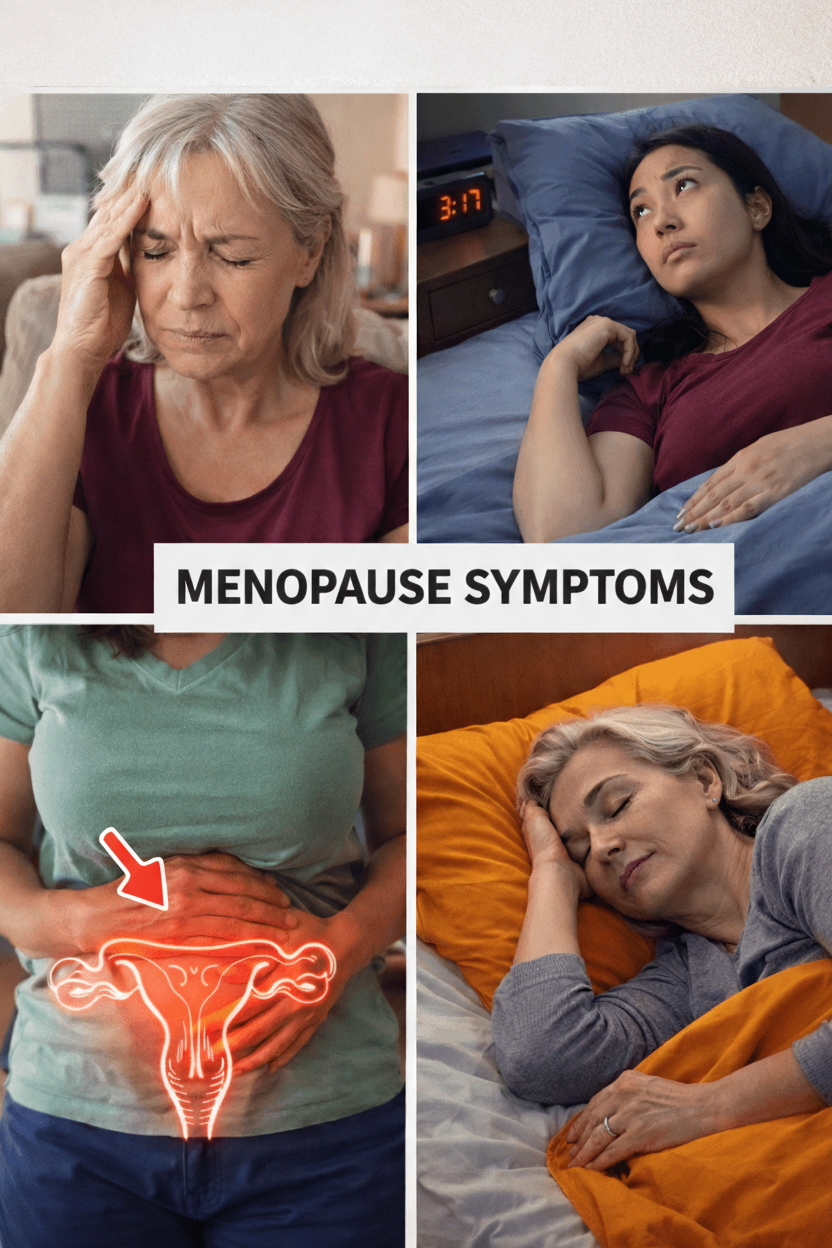
Arguably the most widely recognized and discussed symptom, hot flashes impact a substantial majority of women, with reports from institutions like the Mayo Clinic indicating prevalence rates of 75-85%. Characterized by an abrupt sensation of intense warmth, these episodes typically originate in the chest or face before rapidly spreading upwards throughout the body. They are often accompanied by profuse sweating, noticeable skin flushing, and an accelerated heart rate. These transient but powerful surges can persist for anywhere from a few seconds to several minutes and can occur without warning, day or night. For certain individuals, specific triggers such as heightened stress, caffeine consumption, or spicy foods can exacerbate their frequency and intensity.
3. Night Sweats: Disrupting Restful Sleep
Intrinsically linked to hot flashes, night sweats manifest as episodes of excessive perspiration during sleep, often leaving pajamas and bedding thoroughly damp. This uncomfortable experience frequently jolts women awake, subsequently leading to a sensation of chilliness. Such nocturnal disturbances are a primary contributor to the diminished sleep quality widely reported by women navigating the menopausal transition. Studies consistently highlight that recurring night sweats can significantly contribute to persistent daytime fatigue and increased irritability. Implementing simple strategies, such as maintaining a cool bedroom environment (ideally between 60-67°F or 15-19°C) and opting for breathable fabrics for bedding, can yield a significant improvement in comfort and sleep continuity.
4. Sleep Disturbances: More Than Just Night Sweats
Beyond the impact of night sweats, a considerable number of women encounter general difficulties in initiating or maintaining sleep. The fluctuating hormonal landscape characteristic of menopause can disrupt the delicate balance of sleep-regulating neurotransmitters in the brain, often resulting in insomnia or fragmented sleep patterns. Research consistently associates these sleep challenges with heightened daytime exhaustion, impaired concentration, and noticeable fluctuations in mood. Adopting straightforward practices, such as establishing a regular and consistent bedtime routine, reducing screen exposure prior to sleep, and refraining from heavy evening meals, can significantly foster more restorative rest.
5. Mood Fluctuations: Heightened Irritability and Anxiety
The dynamic shifts in hormone levels during menopause can profoundly impact brain chemistry, manifesting as pronounced mood swings, an escalation in irritability, increased anxiety, or even episodes of low mood. You might perceive yourself as more emotionally sensitive than usual or react disproportionately to minor irritations. Expert observations suggest that individuals with a prior history of premenstrual syndrome (PMS) or postpartum mood disturbances may experience these changes with greater intensity. Engaging in open conversations with a trusted confidant, incorporating mindfulness practices, or participating in gentle physical activity can often provide considerable relief from these emotional shifts.
6. Vaginal Dryness and Discomfort: Intimate Changes
A reduction in estrogen levels can lead to the thinning and decreased elasticity of vaginal tissues, resulting in symptoms such as dryness, itching, or discomfort, particularly during sexual activity. This collection of symptoms is formally recognized as Genitourinary Syndrome of Menopause (GSM), a condition that impacts a significant number of women. Readily available over-the-counter vaginal moisturizers or lubricants can offer substantial relief for enhancing daily comfort and improving intimacy. Furthermore, ensuring adequate hydration and adhering to gentle intimate hygiene practices are beneficial for maintaining optimal tissue health.
7. Brain Fog: Challenges with Memory and Concentration
A frequently reported experience during menopause is ‘brain fog,’ characterized by episodes of forgetfulness, noticeable difficulty with concentration, or a general sensation of mental haziness. Scientific research indicates a strong correlation between these cognitive challenges and the fluctuating hormonal environment, particularly estrogen, which plays a role in various aspects of cognitive function.
8. Joint Pain and Aches: Unexplained Discomfort
Many women report new or increased joint stiffness, aches, and pains during the menopausal transition, often without a clear cause like injury or arthritis. Estrogen plays a role in maintaining cartilage and bone health, and its decline can lead to inflammation and discomfort in joints such as knees, hips, and fingers. While not always directly linked to menopause, these symptoms are commonly experienced during this phase. Gentle exercise, maintaining a healthy weight, and anti-inflammatory diets can help manage this discomfort.
9. Hair Thinning and Skin Changes: Visible Transformations
Hormonal shifts, especially the decrease in estrogen, can also manifest in noticeable changes to hair and skin. Many women experience hair thinning, a drier scalp, or a change in hair texture. Concurrently, skin may become drier, less elastic, and more prone to fine lines or wrinkles due to reduced collagen production. Ensuring adequate hydration, using gentle skincare products, and protecting skin from sun exposure can help mitigate these visible signs.
Navigating Your Menopausal Journey
Recognizing these 9 signs is a powerful first step toward understanding your body’s journey through menopause. While these symptoms are common, their intensity and combination are unique to each woman. It’s important to remember that you don’t have to navigate this transition alone or in discomfort.
What You Can Do:
- Consult Your Healthcare Provider: If you’re experiencing any of these symptoms, especially if they are disruptive, talk to your doctor. They can offer personalized advice, confirm your stage of menopause, and discuss various management options, including lifestyle adjustments, hormone therapy, or other medications.
- Embrace Lifestyle Changes: Small but consistent changes can make a big difference. Focus on a balanced diet rich in fruits, vegetables, and whole grains, engage in regular physical activity, prioritize stress reduction techniques like yoga or meditation, and ensure adequate sleep.
- Seek Support: Connect with other women going through similar experiences, join support groups, or confide in trusted friends and family. Sharing experiences can be incredibly validating and provide new coping strategies.
Menopause is a natural and significant phase of life. By understanding its signs and actively seeking support and solutions, you can embrace this transition with greater confidence and well-being. Your journey is unique, and empowering yourself with knowledge is key to navigating it successfully.