 By admin
Navigating Digestion After Gallbladder Removal: A Comprehensive Guide to Changes and Management
Have you found yourself experiencing persistent digestive discomfort even after undergoing gallbladder surgery? Many individuals opt for a cholecystectomy to alleviate the pain of gallstones or inflammation, only to discover new digestive challenges such as loose stools, bloating, or indigestion in its aftermath. This phenomenon occurs because the gallbladder’s primary role is to store and concentrate bile produced by the liver, releasing it in measured amounts during meals to facilitate fat digestion. Without this crucial organ, bile flows continuously into the intestines, which can sometimes overwhelm the digestive system and trigger symptoms that impact daily comfort and overall quality of life.
Research indicates that a significant percentage of patients encounter these post-surgical adjustments, underscoring the importance of understanding the physiological changes that take place and how to effectively adapt. In this article, we will delve into the common digestive shifts experienced after gallbladder removal, explore potential issues that may arise, and provide practical strategies to support your gut health moving forward. Make sure to read until the end for some surprising everyday habits that many find incredibly helpful in easing these transitions!
Understanding Bile Flow Post-Cholecystectomy
Following gallbladder removal, your liver continues its vital function of producing bile. However, the crucial storage reservoir is no longer present. Instead of being released in controlled bursts when you eat, bile now drips steadily and continuously into the small intestine. While this constant influx generally aids overall digestion, it can sometimes lead to irritation of the intestinal lining or an inconsistent breakdown of dietary fats. Yet, that’s not the complete picture…
This fundamental alteration in bile delivery affects each individual uniquely. While many adapt smoothly over time without significant issues, others notice persistent changes that require careful attention and management.
Common Digestive Adjustments After Gallbladder Surgery
Medical studies consistently report that digestive symptoms can either persist or emerge in a considerable number of cases following cholecystectomy. For example, ongoing issues like bloating, indigestion, or alterations in bowel habits are reported in varying percentages across different studies. Here’s a closer look at what frequently occurs:
- Altered Bowel Habits: With bile entering the intestines more steadily, some individuals may experience looser stools or increased urgency, particularly after consuming fatty meals.
- Discomfort and Fullness: Changes in fat breakdown can sometimes lead to feelings of fullness or general abdominal discomfort.
- Upper Digestive Irritation: In certain scenarios, bile can reflux or irritate the upper digestive tract, leading to symptoms akin to heartburn or a persistent burning sensation.
These changes are a natural part of your body’s adjustment process to a new digestive dynamic, and being aware of them is the first step toward effective management.
3 Potential Issues That May Arise After Gallbladder Removal
While cholecystectomy successfully resolves many gallbladder-related problems, some patients may encounter ongoing or new digestive concerns. Medical literature frequently describes these as possible post-surgical experiences:
1. Postcholecystectomy Syndrome (PCS)
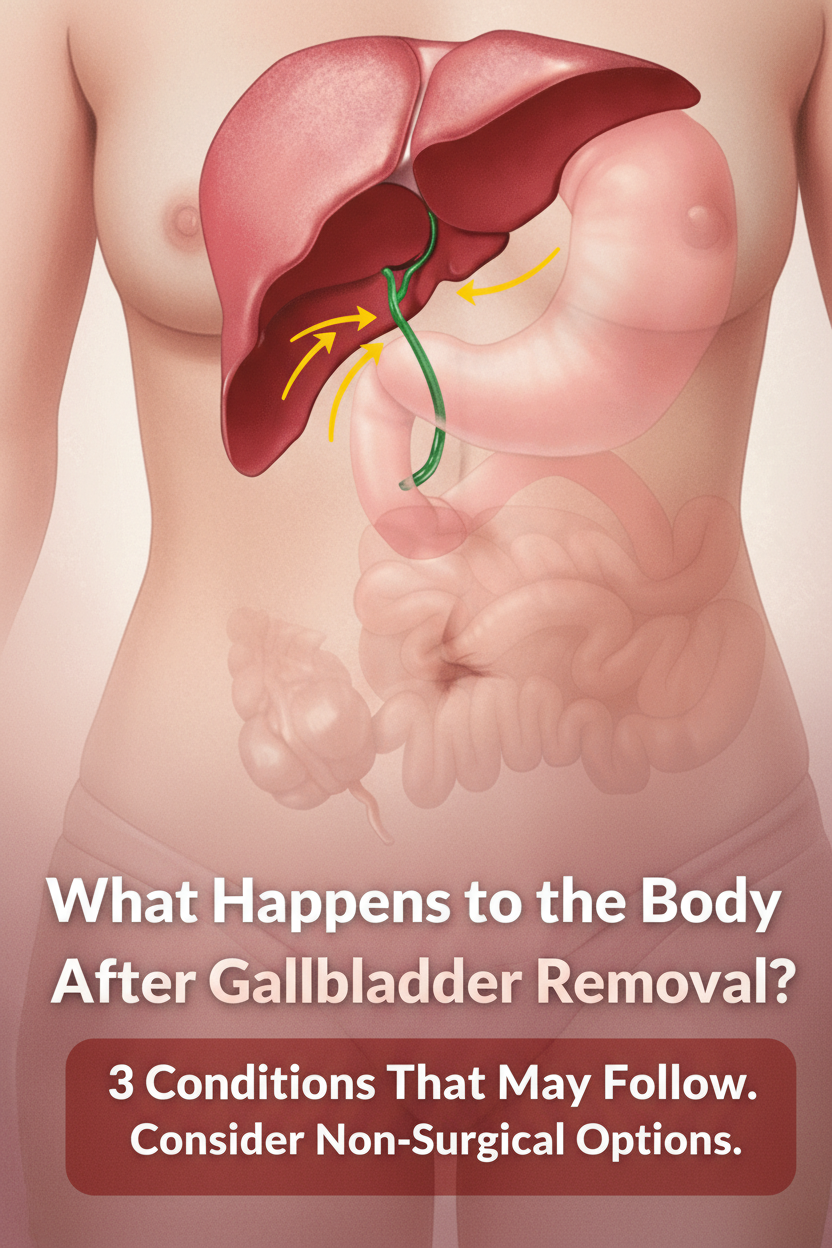
This term describes the continuation or development of symptoms similar to those experienced before surgery, such as upper abdominal discomfort, bloating, indigestion, or loose stools. Research indicates that PCS affects approximately 10-15% of patients, with symptom severity ranging from mild to more pronounced in a smaller subset. Factors like residual stones, gallstone sludge, or functional changes in the digestive tract may contribute to PCS. The encouraging news is that many cases improve with time and appropriate supportive measures.
2. Recurrent Stones in the Bile Ducts
Even in the absence of the gallbladder, stones can occasionally form anew or remain undetected in the bile ducts (either inside or outside the liver). Studies estimate recurrence rates to be in the range of 5-25%, depending on individual factors such as bile duct anatomy or a history of previous stones. If not promptly monitored and addressed, these recurrent stones can lead to discomfort similar to that experienced with gallstones. Regular follow-up appointments and diagnostic imaging play a crucial role in early detection.
3. Chronic Digestive Changes and Related Irritation
The continuous flow of bile into the intestines may contribute to prolonged loose stools or chronic diarrhea in some individuals. Occasionally, bile can reflux into the stomach, potentially causing irritation or sensations similar to heartburn. This phenomenon is linked to the effects of bile acids in the intestines and is more prevalent in certain individuals predisposed to such sensitivities.
To help set realistic expectations, here’s a quick comparison of typical symptoms:
- Before surgery: Often characterized by sharp, acute pain resulting from gallstones blocking bile flow.
- After surgery: More commonly involves gradual, persistent issues like bloating, loose stools, or indigestion, primarily stemming from the continuous presence of bile in the digestive system.
Practical Strategies to Support Digestion After Gallbladder Removal
Adapting your daily routine and dietary habits can significantly improve how you feel post-surgery. These evidence-based suggestions focus on gentle, sustainable changes to your lifestyle:
- Opt for Smaller, More Frequent Meals: Instead of consuming three large meals, aim for 4-6 smaller portions throughout the day. This approach allows bile to mix more effectively with food without overwhelming your digestive system, preventing sudden surges of bile that can cause discomfort.
- Reduce High-Fat Food Intake: Initially, it’s wise to limit foods high in saturated and unhealthy fats, such as fried foods, greasy dishes, and rich desserts. These can be harder to digest without the gallbladder’s concentrated bile reserves and may trigger loose stools or bloating. Gradually reintroduce healthy fats (like those found in avocados, nuts, and olive oil) in small amounts to assess tolerance.
- Gradually Increase Fiber: Incorporate soluble fiber (found in oats, apples, carrots, and beans) and insoluble fiber (found in whole grains and vegetables) into your diet. Fiber can help absorb excess bile and add bulk to stools, potentially reducing diarrhea. Introduce fiber slowly to avoid gas and bloating.
- Stay Well-Hydrated: Drinking plenty of water throughout the day is essential, especially if you experience loose stools, to prevent dehydration and support overall digestive function.
- Consider Probiotics: Under the guidance of your doctor or a dietitian, incorporating probiotics (through fermented foods or supplements) might help balance your gut microbiome and alleviate some digestive symptoms.
- Practice Mindful Eating: Eating slowly, chewing your food thoroughly, and paying attention to your body’s signals can aid digestion and prevent overeating, which can put extra strain on your system.
- Keep a Food Diary: Tracking your food intake and any resulting symptoms can help you identify specific triggers or foods that exacerbate your digestive issues. This personalized insight is invaluable for tailoring your diet.
- Consult a Healthcare Professional: If you experience persistent or severe symptoms, it’s crucial to consult your doctor or a registered dietitian. They can offer personalized advice, rule out other conditions, and recommend further management strategies or dietary modifications.
Understanding the changes your body undergoes after gallbladder removal and proactively managing your digestion are key to maintaining your well-being. By implementing these practical strategies and working closely with healthcare providers, you can significantly improve your quality of life post-surgery and adapt to your new digestive rhythm.