 By admin
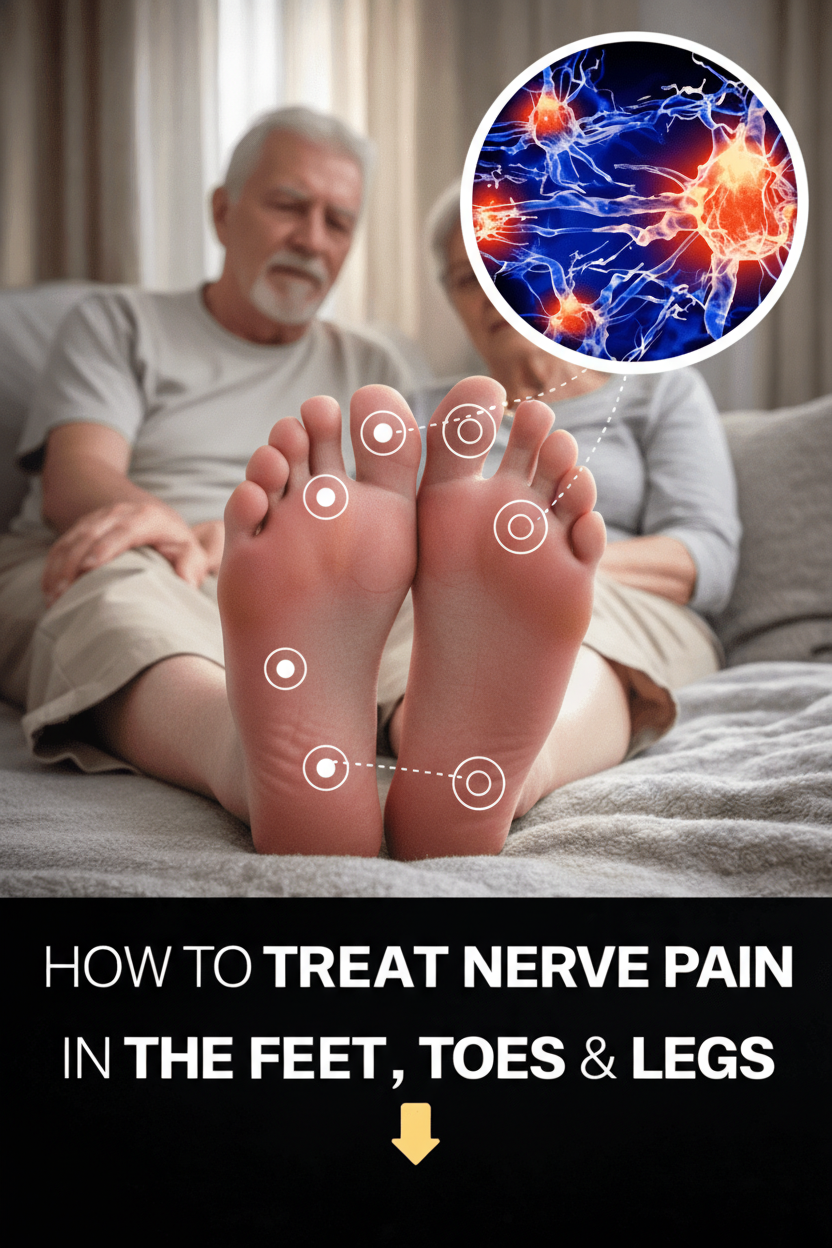
 That persistent burning, tingling, pins-and-needles sensation, electric-shock feeling, or sharp, stabbing pain in your feet and legs is a surprisingly common and often debilitating complaint among adults, particularly those over 40–50. It’s crucial to understand that these symptoms are rarely “just a part of getting older.” Instead, they almost invariably signal an underlying issue, most frequently peripheral neuropathy (damage or irritation of the peripheral nerves) or related circulatory and nerve problems.
When the delicate nerves responsible for transmitting sensations from your lower limbs to your brain are compromised, they begin sending abnormal signals. Your brain then interprets these erratic messages as burning, tingling, numbness, or acute pain. Identifying the root cause is the first step toward relief. Below, we explore the most frequent culprits behind these uncomfortable sensations, ranked from the most common to less common, along with practical, immediate steps you can take while awaiting a thorough medical evaluation.
Top 10 Causes of Burning, Tingling, or Stabbing Leg & Foot Pain
- Diabetic Neuropathy / Prediabetes (The leading cause, affecting up to 50% of diabetics eventually)
Sustained high blood sugar levels progressively damage the small blood vessels that nourish your nerves. This deprivation causes nerves to starve and gradually die off, typically starting in the toes and moving upwards. - Vitamin B12 Deficiency (Exceedingly common after age 50, as absorption significantly declines)
Vitamin B12 is indispensable for maintaining the myelin sheath, the protective insulation around your nerves. Insufficient levels can lead to burning feet, numbness, tingling, and “electric” shock sensations, often commencing in the feet and ascending the legs. - Alcohol-Related Neuropathy (Even moderate, long-term drinking can be a factor)
Alcohol is directly toxic to nerve tissues and simultaneously contributes to deficiencies in vital B-vitamins. This combination frequently results in the classic burning feet and leg pain associated with neuropathy. - Chemotherapy-Induced Neuropathy
Numerous chemotherapy drugs, such as taxanes and platinum agents, are known to cause permanent or long-lasting burning and tingling sensations, predominantly in the feet and hands, as a significant side effect. - Hypothyroidism (An underactive thyroid is very prevalent, especially in women over 50)
A sluggish metabolism, characteristic of hypothyroidism, impairs overall nerve function. This can manifest as burning, tingling, and aching discomfort in the legs and feet. - Chronic Kidney Disease
When kidneys fail to filter waste effectively, toxins (uremia) accumulate in the bloodstream, irritating nerve endings. Burning feet, restless legs, and muscle cramps are classic early indicators of this condition. - Spinal Nerve Compression (e.g., Sciatica, Lumbar Stenosis, Herniated Disc)
Pinched or compressed nerves in the lower back, often due to conditions like sciatica, lumbar stenosis, or a herniated disc, can cause sharp, burning, stabbing, or electric-shock pain that radiates down one or both legs. - Small Fiber Neuropathy (Often autoimmune or idiopathic, meaning of unknown cause)
This condition specifically affects the small sensory nerves, leading to symptoms of pure burning or tingling without obvious signs of muscle weakness or loss of reflexes. - Poor Circulation / Peripheral Artery Disease (PAD)
Narrowing of the arteries in the legs restricts blood flow, leading to reduced oxygen supply to nerves and muscles. This results in burning pain that characteristically worsens with walking (known as claudication) and improves with rest. - Medication Side Effects (e.g., Statins, certain blood pressure medications, antibiotics, chemotherapy)
Many pharmaceutical drugs list neuropathy as a potential adverse effect. Burning and tingling in the feet are frequently reported complaints associated with various medications.
Simple Steps to Consider Right Now (While You Await Medical Evaluation)
Taking proactive steps can help manage symptoms and provide crucial information for your doctor.
Get These Blood Tests ASAP (Discuss with your physician):
- Vitamin B12 & Folate: Essential for healthy nerve function.
- HbA1c: A key indicator for diabetes or prediabetes.
- Fasting Glucose + Insulin: Provides a more detailed picture of blood sugar regulation.
- Thyroid Panel (TSH, Free T4, T3, TPO antibodies): To assess thyroid function comprehensively.
- Kidney Function (Creatinine, eGFR): To check for chronic kidney disease.
- Complete Blood Count (CBC): Can indicate anemia, which sometimes mimics neuropathic symptoms.
- Vitamin D Level: Important for overall health and nerve support.
Start These Safe Supportive Habits Immediately:
- B12 Supplementation: If levels are low or borderline, consider 1,000 mcg of methylcobalamin daily (sublingual or injection, as advised).
- Alpha-Lipoic Acid: 300–600 mg/day. There’s strong evidence for its efficacy in relieving diabetic neuropathic pain.
- Benfotiamine (Fat-Soluble B1): 150–300 mg/day. Highly effective for addressing burning feet sensations.
- Magnesium Glycinate: 300–400 mg at night. Helps relax nerves and muscles, potentially reducing cramps.
- Warm (not hot) Foot Soaks with Epsom Salt: Can improve local circulation and provide soothing relief for burning sensations.
Lifestyle Adjustments That Help Quickly:
- Walk Daily (even 10–20 min): Regular movement significantly improves circulation and promotes nerve health.
- Elevate Legs 15–30 min in the Evening: Helps reduce swelling and alleviate pressure on nerves.
- Avoid Alcohol Completely for 4–6 Weeks: This can dramatically accelerate nerve recovery.
- Reduce Refined Carbohydrates/Sugar: Stabilizing blood sugar is paramount, especially for individuals with diabetic neuropathy.
Red Flags – See a Doctor/Neurologist Immediately
Certain symptoms warrant urgent medical attention to prevent further complications:
- Sudden weakness or paralysis in a leg or foot.
- Loss of bladder or bowel control.
- Pain accompanied by fever, redness, or swelling (indicating a possible infection or abscess).
- Rapidly worsening symptoms or sudden onset of severe pain.
- Numbness combined with significant balance problems or frequent falls.
The Bottom Line
Burning, tingling, stabbing, or electric-shock pain in the feet and legs should rarely be dismissed as merely “a sign of aging.” These sensations are typically a clear indication of peripheral neuropathy or nerve compression, signaling that your body needs attention. The good news is that many of the most common and often reversible causes include Vitamin B12 deficiency, undiagnosed diabetes or prediabetes, hypothyroidism, and side effects from certain medications.
Numerous individuals experience significant improvement in their burning or tingling sensations within 4–12 weeks after addressing underlying deficiencies and making appropriate lifestyle modifications. However, the critical first step is getting accurately tested; simple blood work is often inexpensive and provides vital diagnostic clues. Do not delay seeking medical advice or wait for symptoms to worsen, as prolonged nerve damage can potentially become permanent if ignored for too long. Early diagnosis and intervention are key to preserving nerve health and improving your quality of life.