 By admin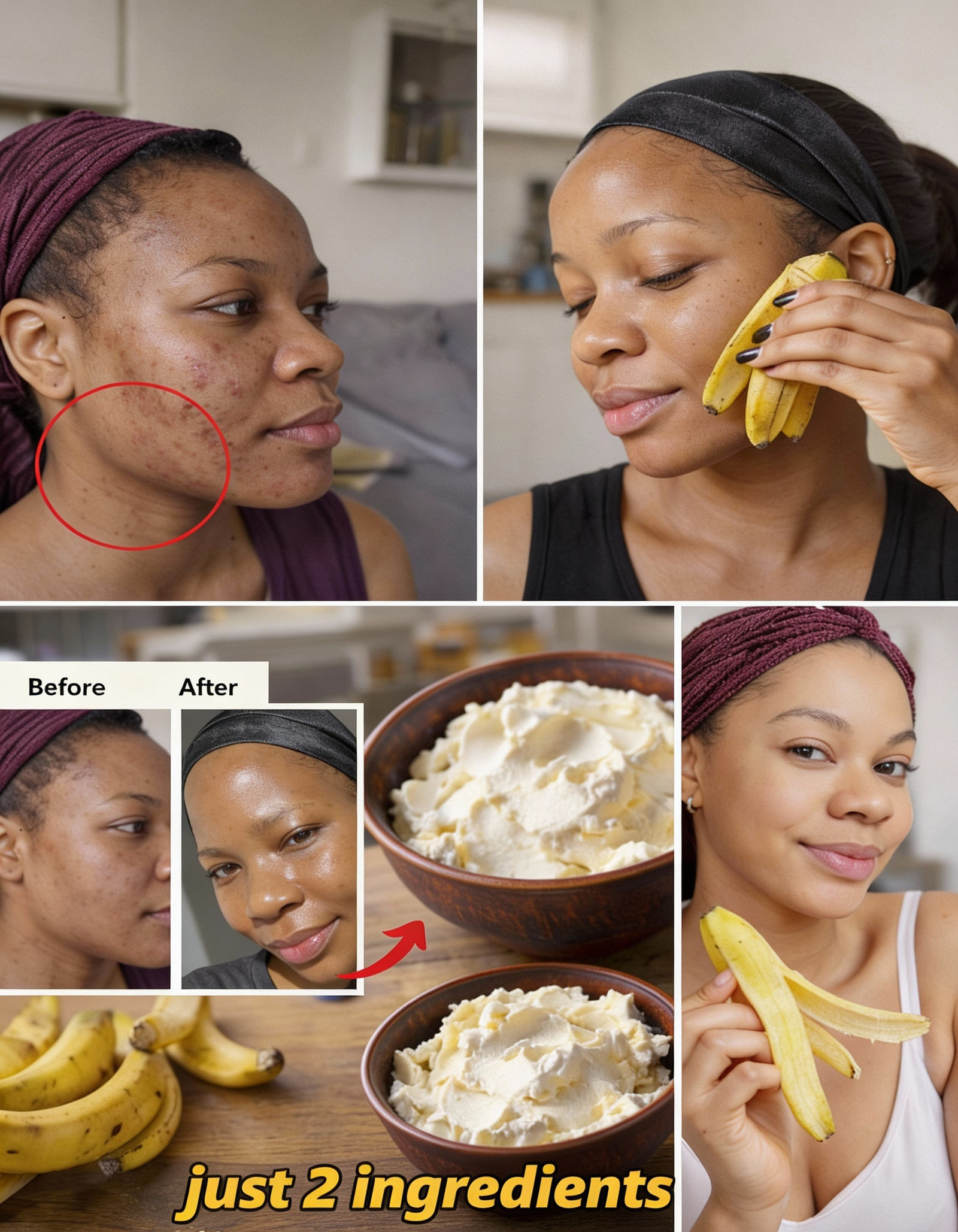
Banana peels have gained attention in natural skincare circles for their rich content of antioxidants like polyphenols, carotenoids (including lutein), and other bioactive compounds. Studies show banana peels contain significant levels of these elements, which can help combat oxidative stress—a key contributor to skin aging (source: research on banana peel phenolics and antioxidants).
While there’s no strong clinical evidence that banana peels dramatically erase wrinkles or replace professional treatments, their nutrients may support skin hydration, gentle brightening, and a healthier appearance when used in DIY masks. Combined with kitchen staples like milk (for proteins and moisture), cornstarch (for mild tightening), flaxseed gel (omega-3 rich for hydration), almond oil (emollient), and rosehip oil (natural vitamin C and fatty acids), they create gentle, low-cost routines.
This approach appeals to those seeking sustainable, kitchen-based options for addressing fine lines and dullness after 40.

Why Skin Shows More Fine Lines and Dullness After 40
As we age, collagen production naturally declines about 1% per year, hyaluronic acid levels drop, and cell turnover slows. Add environmental factors like sun exposure, pollution, and stress, and fine lines, crow’s feet, uneven tone, and loss of glow become more noticeable.
Many turn to pricey creams or procedures, but results can be inconsistent or irritating for mature skin. That’s where gentle, natural ingredients come in—they offer supportive care without harsh side effects.
Banana peels stand out because research highlights their antioxidant profile, including polyphenols and lutein, which may help neutralize free radicals and support skin’s natural defenses.
But that’s not all…

The Natural Compounds in Banana Peels That Support Skin Health
Banana peels are packed with:
- Antioxidants (polyphenols, carotenoids like lutein): Help fight free radical damage that accelerates visible aging.
- Vitamins and minerals (potassium, magnesium): Support hydration and overall skin function.
- Gentle enzymes: Provide mild exfoliation for smoother texture.
When paired with complementary ingredients, these create multi-benefit masks. For example:
- Milk adds lactic acid for gentle exfoliation and proteins for plumpness.
- Cornstarch acts as a natural mattifier and pore tightener.
- Flaxseed gel (boiled seeds) delivers omega-3s for hydration and firmness.
- Almond oil locks in moisture.
- Rosehip oil brings fatty acids and vitamin C for brightening.
Here’s a quick comparison of common skin concerns and how these natural combos may help:
- Fine lines & crow’s feet → Antioxidant support + hydration for softer appearance
- Dull, tired skin → Brightening from lutein + gentle exfoliation
- Enlarged pores & uneven tone → Mattifying + smoothing texture
- Loss of firmness → Hydrating oils + omega-3s for plumper look

7 Natural Ways to Use Banana Peels for Smoother, Glowing Skin
These are simple, at-home recipes using banana peels and easy staples. Always patch-test first.
- Banana Peel + Milk Soothing Mask
Simmer chopped banana peel in whole milk to extract nutrients. Strain and apply the liquid or mash. Milk’s proteins hydrate while peel’s antioxidants calm. Use 2–3 times weekly for softer texture. - Banana Peel + Cornstarch Tightening Paste
Blend boiled peel with cornstarch into a paste. Cornstarch gently tightens; peel smooths. Apply for 10–15 minutes—many notice refined pores. - Flaxseed Gel + Banana Peel Firming Treatment
Make flaxseed gel (boil seeds, strain). Mix with mashed peel. Omega-3s plump; peel supports glow. Great for contours. - Almond Oil + Banana Peel Overnight Nourisher
Rub inner peel, then massage in almond oil. Locks moisture for morning softness—ideal for dry areas. - Rosehip Oil Booster with Banana Peel
Apply mashed peel, follow with rosehip oil drops. Vitamin C brightens over time; peel adds anti-inflammatory support. - Banana Peel Tea Rinse
Steep peels in hot water, cool, and use as toner/mist. Antioxidants refresh and brighten daily. - Ultimate Layered Mask (All-in-One)
Combine peel-milk extract, flax gel, cornstarch, almond + rosehip oils. Apply thickly, let dry, rinse. Use weekly for comprehensive care.
The key? Consistency, especially at night when skin repairs.

Your 30-Day Natural Skin Revival Timeline
- Weeks 1–2: Softer texture, brighter mornings from basic peel + milk or flax masks.
- Weeks 3–4: Reduced appearance of fine lines, tighter feel with added cornstarch/oils.
- Weeks 5+: Sustained glow, plumper look with full routine.
Switching to these from luxury products? You save money while embracing gentle, eco-friendly options.
The Game-Changing Tip Most People Miss
Apply masks thickly at night and let them dry fully before rinsing—the longer contact time allows better absorption of supportive compounds.
Imagine 30 days from now: softer fine lines, brighter tone, and that natural bounce—no filters needed.
Ready to try? Start with a clean peel from your next banana (organic if possible).
Simple Starter Recipe:
- Wash and chop 1 banana peel.
- Simmer in 200ml whole milk for 8 minutes; cool and strain.
- Mix 2 tsp cornstarch into a cream with some extract.
- Add 2 tbsp flaxseed gel + ½ tsp almond oil + drops rosehip oil.
- Apply thick to clean face/neck, dry fully, rinse gently.
This is for informational purposes only—not medical advice.
FAQ
1. How often should I use banana peel masks?
2–3 times weekly to start, then adjust based on skin response. Daily gentle rinses are fine.
2. Can banana peels replace anti-aging creams?
They offer supportive, natural benefits but aren’t a substitute for proven dermatological treatments.
3. Are there any risks?
Patch-test to avoid irritation. Stop if redness occurs.
Disclaimer: This article is for informational purposes only and does not constitute medical or dermatological advice. Always patch-test ingredients on your inner arm for 24 hours before facial use. Discontinue if irritation occurs. Consult a dermatologist or healthcare provider before starting any new skincare routine, especially if you have sensitive skin, conditions like rosacea or eczema, allergies, or are pregnant/breastfeeding.