 By admin
 Unlocking the Wellness Potential of Hibiscus Seeds: A Scientific Dive into Their Health Benefits
Many individuals seek natural ways to support their health, particularly concerning common challenges like maintaining healthy blood pressure, stable blood sugar levels, and optimal circulation as they age. These concerns can significantly impact daily well-being, often leading to discomfort, fatigue, and worries about long-term vitality. While lifestyle choices are paramount, nature frequently presents intriguing avenues worth exploring.
Among these, hibiscus (Hibiscus sabdariffa), a plant deeply rooted in traditional practices across various cultures, has garnered considerable attention not just for its vibrant calyces but also for its often-overlooked seeds. Preliminary research hints at their supportive effects on various aspects of metabolic and cardiovascular health. Let’s delve deeper into what scientific evidence truly suggests, ensuring a balanced perspective without overstating claims.
Why Hibiscus Seeds Are Capturing Attention in Wellness Circles
Known commonly as roselle, hibiscus thrives in tropical climates and has been a staple in folk medicine for generations. While the plant’s crimson calyces are widely recognized for their use in popular herbal teas, the hibiscus seeds themselves are a powerhouse of bioactive compounds. These include beneficial polyphenols, potent antioxidants, and other vital nutrients.
Scientific inquiry has begun to unravel how these unique elements might interact positively within the human body. Emerging findings indicate that components derived from hibiscus, including its seeds, could offer gentle yet effective support for everyday health maintenance. Intriguingly, multiple comprehensive reviews of clinical studies have highlighted potential benefits, particularly in areas like blood pressure management and the modulation of key metabolic markers.
Research Insights: Hibiscus Seeds and Blood Pressure Support
One of the most extensively researched areas concerning hibiscus is its potential role in promoting healthy blood pressure. Numerous meta-analyses and controlled trials have investigated extracts and teas made from various parts of the plant, including the seeds.
Studies consistently demonstrate that hibiscus consumption may contribute to lowering both systolic and diastolic blood pressure readings, particularly in individuals with elevated levels. In some comparative analyses, regular intake of hibiscus tea has shown efficacy comparable to certain conventional approaches for managing mild hypertension. The rich concentration of antioxidants in hibiscus, such as anthocyanins, is believed to play a crucial role by supporting the relaxation of blood vessels and thereby enhancing overall circulation. This aligns seamlessly with the historical use of hibiscus in various cultures for heart and circulatory wellness.
Exploring the Link Between Hibiscus Seeds, Blood Sugar, and Metabolic Health
Beyond cardiovascular benefits, the influence of hibiscus on blood sugar balance and broader metabolic health is another significant area of focus. Both animal and some human studies suggest that hibiscus extracts, including those from seeds, might assist in maintaining healthy glucose levels. The compounds present in hibiscus appear to positively influence enzymes involved in the breakdown of carbohydrates.
Research conducted on models of metabolic concerns has indicated improvements in fasting glucose and enhanced insulin sensitivity. Furthermore, the polyphenols found in hibiscus may help mitigate oxidative stress, a condition frequently associated with fluctuations in blood sugar. While more extensive, large-scale human research is still needed to solidify these findings, the current evidence certainly sparks interest in incorporating hibiscus seeds as part of a holistic strategy for metabolic support.
Antioxidant Powerhouse and Broader Wellness Potential
Hibiscus is renowned for its abundance of antioxidants, which are vital compounds that neutralize free radicals – unstable molecules implicated in cellular aging and various health challenges. By combating these free radicals, the antioxidants in hibiscus can help protect cells and support overall vitality and resilience.
Beyond this, some laboratory studies have explored the anti-inflammatory effects of hibiscus, which could indirectly contribute to improved circulation and sustained energy levels. Traditional uses often highlight hibiscus for its general detoxifying properties and potential liver support. What makes the seeds particularly intriguing is that, despite being less studied than the calyces, they contain similar beneficial compounds and show preliminary promise in research related to lipid profiles and other important health markers.
Simple Steps to Incorporate Hibiscus Seeds Into Your Daily Routine
If you’re ready to explore the potential benefits of hibiscus seeds, it’s always wise to start cautiously and consult your healthcare provider first, especially if you have pre-existing health conditions or are taking medications. Here’s a simple guide to get started:
- Source Quality Seeds: Look for organic, dried hibiscus seeds from reputable health food stores or herbal suppliers to ensure purity and potency.
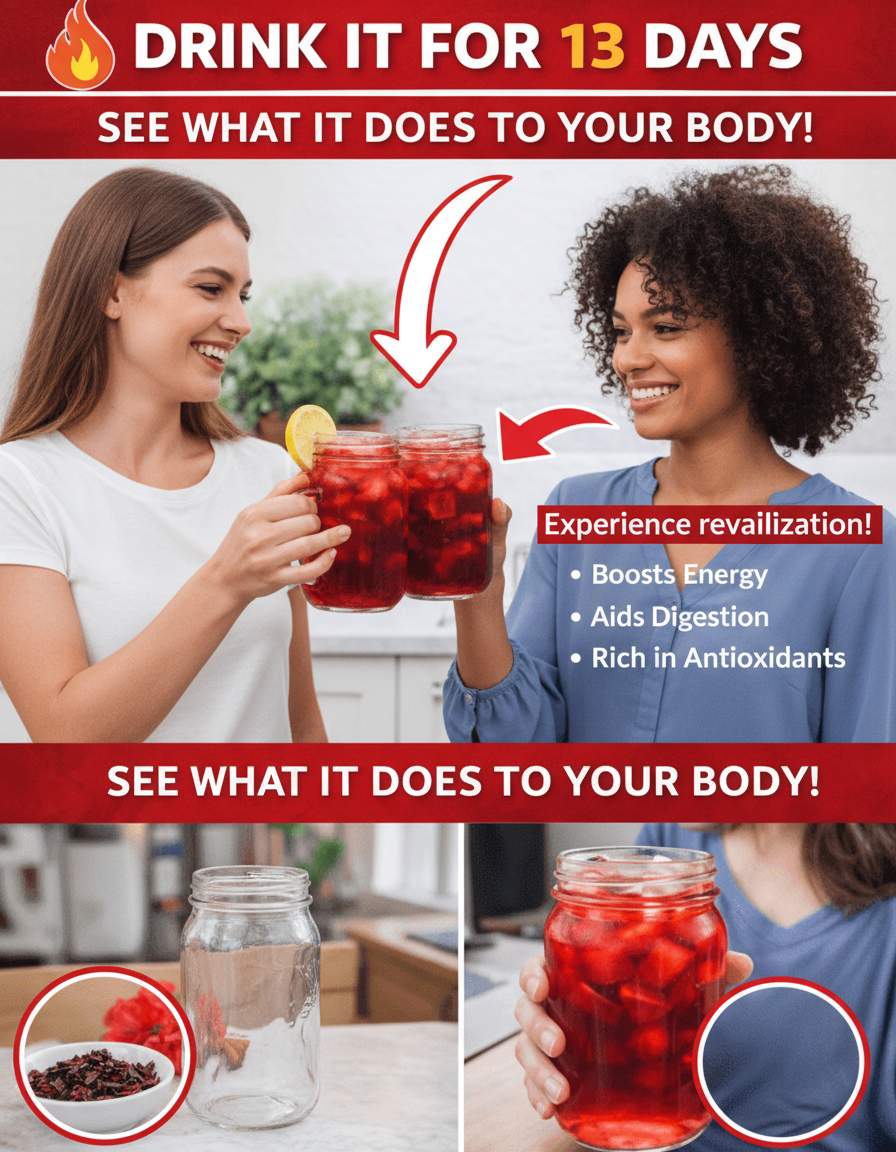
- Prepare a Basic Infusion: Rinse 1-2 teaspoons of seeds thoroughly. Add them to 2 cups of water and bring to a boil. Reduce heat and simmer gently for 10-15 minutes. Strain the liquid before consuming.
- Establish a Daily Habit: Begin with one cup per day, perhaps in the morning to kickstart your day or in the evening as a calming ritual.
- Enhance the Flavor: Hibiscus has a naturally tart taste. You can mellow it by adding a slice of fresh lemon, a cinnamon stick, or a touch of natural sweetener like honey (if desired).
- Combine Mindfully: For optimal results, integrate hibiscus seed consumption with a balanced diet rich in fruits, vegetables, and whole grains, alongside regular physical activity.
- Track Your Progress: Consistency is key. Pay attention to how you feel over several weeks to observe any subtle changes or improvements in your well-being.
Quick Comparison: Hibiscus Infusion vs. Common Wellness Beverages
Understanding how hibiscus seed infusion stacks up against other popular wellness drinks can help you make informed choices:
- Hibiscus Infusion: Offers a rich array of antioxidants and demonstrated potential for blood pressure support. It is naturally low in calories and completely caffeine-free, making it an excellent evening beverage.
- Green Tea: Provides similar antioxidant benefits, particularly catechins, but contains caffeine, which might not be suitable for everyone, especially later in the day.
- Plain Water: Essential for hydration and overall health, but it does not provide the specific bioactive compounds or targeted health benefits that herbal infusions like hibiscus offer.
Embracing natural ingredients like hibiscus seeds can be a rewarding addition to your wellness journey. Always prioritize a balanced lifestyle and professional medical advice for your health concerns.