 By admin
 Combat Bone Loss Naturally: Unlock Stronger Bones with Dates Daily
As we approach or pass the age of 50, many individuals begin to notice subtle shifts in their physical well-being. Perhaps it’s a persistent morning stiffness, an unexpected ache in the hips or lower back, or a growing concern about maintaining vitality and independence in later years. These seemingly minor signs can often signal the quiet progression of bone thinning, a prevalent issue particularly for postmenopausal women and older adults, where factors like declining nutrient absorption and the natural aging process can silently diminish skeletal strength. The encouraging news? Incorporating simple, delightful additions to your daily diet—such as nutrient-dense dried fruits—can supply essential minerals crucial for robust bone health.
Imagine if a naturally sweet, convenient snack could effortlessly contribute to your daily mineral requirements while elevating your meals or snack times. Continue reading to explore how dates seamlessly integrate into a bone-friendly lifestyle, supported by scientific nutritional insights and actionable tips you can implement starting today.
Understanding Bone Health Challenges as We Age
Osteoporosis, often termed a ‘silent disease,’ typically advances without noticeable symptoms until a fracture tragically occurs. Beyond the age of 50, a natural decline in bone mineral density accelerates, significantly elevating the risk of debilitating fractures in areas like the hip, spine, or wrist, which can severely compromise mobility and independence. Contributing factors include insufficient intake of vital minerals such as calcium, magnesium, and potassium, alongside reduced physical activity and natural hormonal fluctuations that hasten this bone-weakening process.
Nutrition stands as a fundamental pillar in the maintenance of strong bones. Extensive research consistently demonstrates that dietary patterns rich in specific minerals found in fruits, vegetables, and other whole foods are positively associated with greater bone mass and a reduced rate of bone loss over time. While no single food can miraculously prevent or reverse bone conditions, consistent nutritional support from everyday choices, when combined with regular physical activity and professional medical guidance, can play a significant role in slowing its progression. Dates, a cultural staple in many regions including Mexico, emerge as an accessible and compelling option. Their impressive mineral composition garners attention for their potential supportive contributions to skeletal wellness.
The Nutrient Powerhouse: What Dates Bring to Bone Support
Dates offer a delightful chewy texture and natural sweetness, alongside an impressive array of essential minerals. A 100-gram serving (roughly 4–5 Medjool dates or similar varieties) typically provides:
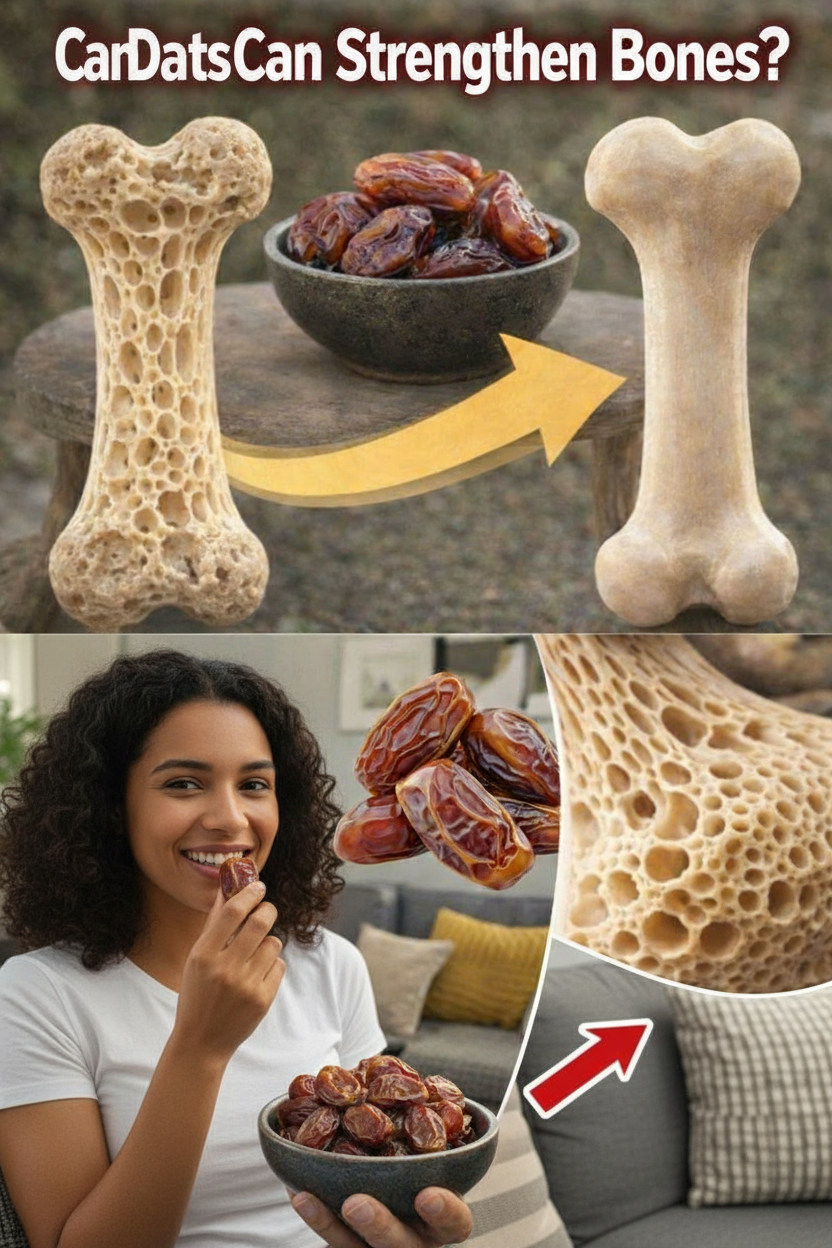
- Calcium: Approximately 39–64 mg (a valuable contribution to the daily requirements for maintaining bone structure).
- Magnesium: Around 43 mg (vital for bone crystal formation and the regulation of calcium within the body).
- Phosphorus: About 62 mg (works synergistically with calcium to construct strong, resilient bone tissue).
- Potassium: Up to 656 mg (helps maintain mineral balance and may contribute to reducing calcium excretion).
These figures align with nutrients consistently linked to positive bone health outcomes in scientific studies. For instance, observational research frequently correlates higher magnesium and potassium intakes with greater bone mass. Magnesium plays a crucial role in bone metabolism, while potassium supports overall mineral equilibrium by limiting the loss of calcium through urine. Furthermore, dates are rich in antioxidants, such as phenolic compounds, which actively combat oxidative stress—a known factor implicated in age-related bone deterioration. Although large-scale clinical trials focusing solely on dates for bone density are still emerging, their synergistic nutrient profile positions them as an excellent complementary food within a bone-supportive diet. Beyond their mineral content, their significant fiber content (approximately 7g per 100g) also promotes optimal gut health, which indirectly but crucially aids in the absorption of bone-building nutrients.
Key Ways Dates May Support Your Bones
Here’s a concise overview of the multifaceted ways dates contribute to skeletal health:
- Natural Calcium Contribution: Adds to your daily calcium intake, working in concert with other sources for comprehensive bone maintenance.
- Magnesium Boost: Plays a pivotal role in maintaining bone density, particularly valuable for postmenopausal women where studies have indicated links to stronger skeletal structures.
- Potassium Balance: Helps preserve vital calcium by supporting the body’s delicate acid-base equilibrium.
- Phosphorus Partnership: An indispensable component of hydroxyapatite, the complex mineral that imparts hardness and strength to bones.
- Antioxidant Defense: May help shield precious bone cells from the damaging effects of oxidative stress over time.
- Energy for Activity: Provides sustained, natural fuel, encouraging participation in weight-bearing exercises—a scientifically proven method for strengthening bones.
- Fiber for Absorption: Supports a healthy digestive system, thereby enhancing your body’s efficiency in utilizing crucial bone-building nutrients.
How Dates Compare to Other Bone-Friendly Foods
To better understand where dates fit into a bone-healthy diet, consider this illustrative comparison (per typical serving):
| Aspect | Dates (4–5 pieces) | Yogurt (1 cup plain) | Leafy Greens (1 cup cooked kale) |
|---|---|---|---|
| Calcium | Moderate (~50–80 mg) | High (~300 mg) | High (~180 mg) |
| Magnesium | High (~40–50 mg) | Moderate (~40 mg) | High (~70 mg) |
| Potassium | Very High (~600+ mg) | Low (~380 mg) | High (~290 mg) |
| Ease of Use | Ready-to-eat, portable, shelf-stable | Needs refrigeration, versatile | Requires preparation, cooking |
| Bone Support Notes | Excellent source of trace minerals and antioxidants, offering synergistic bone support. | Primary calcium source, often fortified with Vitamin D. | Rich in vitamins K and C, vital for bone matrix formation and density. |