 By admin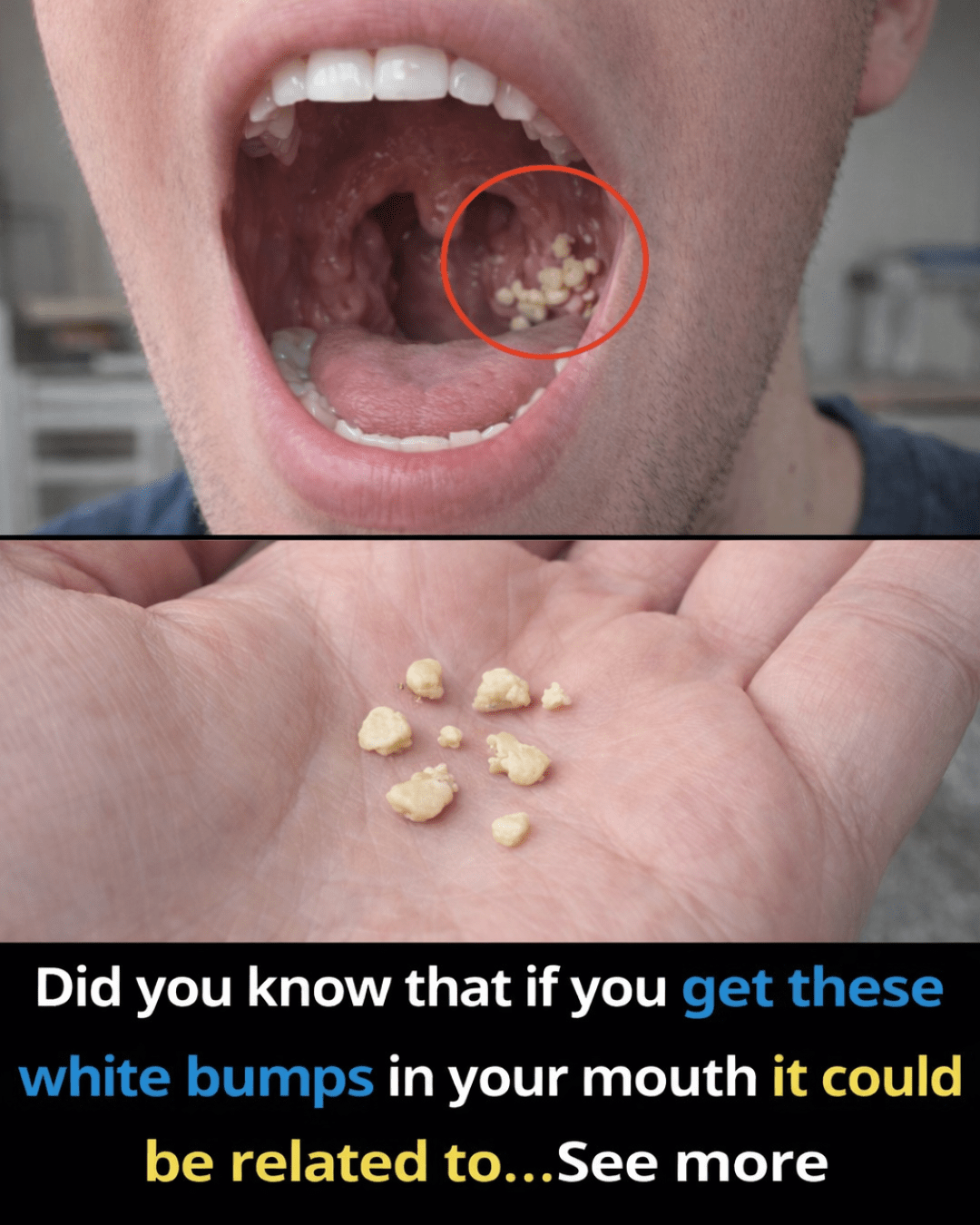
Those small white bumps in your mouth might seem harmless at first glance, but they can cause persistent discomfort that disrupts your daily life. You notice them when you open wide in the mirror—tiny, yellowish-white clusters tucked in the back, sometimes accompanied by a lingering bad taste or that nagging feeling something is stuck in your throat. The embarrassment from noticeable bad breath hits hard, especially during conversations or close moments, and the irritation can make swallowing feel off. Research from sources like Cleveland Clinic and Mayo Clinic Health System shows these are often tonsil stones (also called tonsilloliths), and understanding them can bring real relief—but there’s more to the story than just spotting them.
The surprising truth? These pesky formations are more common than most people realize, and simple changes can make a big difference. Keep reading to discover what they really are, why they form, and practical steps to manage them effectively.

What Exactly Are Tonsil Stones?
Tonsil stones are small, hardened lumps that develop in the crevices (called crypts) of your tonsils—the soft tissue pads at the back of your throat that help fight infections.
They form when food particles, dead cells, mucus, and bacteria get trapped in these natural pockets. Over time, the mixture calcifies (hardens) with minerals like calcium, turning into those visible white or yellowish bumps. Studies indicate they affect many adults, especially those with deeper tonsil crypts or a history of throat issues.
But that’s not all… these stones often hide deeper, only popping out occasionally, which explains why they catch people by surprise.

Common Symptoms You Might Be Experiencing
Many people live with tonsil stones without realizing it until symptoms build up. Here’s what to watch for:
- Persistent bad breath (halitosis) that brushing doesn’t fix—often the top complaint, as bacteria thrive on the debris.
- A sore or irritated throat, sometimes with mild swelling.
- The sensation of a foreign object lodged in your throat.
- Occasional ear pain (due to shared nerve pathways).
- Visible white or yellow spots on the tonsils when you look in the mirror.
- A bad taste in your mouth, especially after dislodging one.
If you’ve coughed up or spit out a small, foul-smelling “pebble,” that’s classic for tonsil stones. The good news? They’re usually harmless and not contagious.

What Causes These White Bumps to Form?
The root issue lies in how your tonsils trap material. Key factors include:
- Deep tonsil crypts — Some people naturally have more folds, making trapping easier.
- Frequent tonsil infections (like tonsillitis) — These enlarge crypts and increase buildup.
- Poor oral hygiene — Less thorough cleaning lets bacteria and debris accumulate.
- Dry mouth or dehydration — Reduced saliva flow means less natural flushing.
- Diet and habits — Dairy-heavy meals or mouth breathing can contribute.
Research from trusted sources like Cleveland Clinic highlights that anyone can develop them, but those with chronic throat issues are at higher risk.
Here’s a quick comparison of common causes:
- Tonsil stones: Trapped debris calcifies; often linked to bad breath.
- Other white spots (like infections): May include pus from strep; usually with fever.
- Oral thrush: Creamy white patches that wipe off; common in weakened immunity.
If your bumps are hard and pebble-like (as in the photo), tonsil stones are the likely culprit.

How to Safely Manage and Remove Tonsil Stones at Home
You don’t always need a doctor for small ones—many dislodge naturally. Try these gentle, evidence-based steps: