 By admin
 Unveiling a Brighter Smile: The Natural Approach with Baking Soda and Turmeric
Many individuals find themselves increasingly conscious of their teeth’s appearance over time. Daily indulgences like coffee, tea, and certain foods can gradually contribute to surface stains, diminishing the natural luster of their smiles. This can subtly impact confidence in social settings or even when posing for photographs. While numerous professional dental treatments are available, a growing number of people are seeking gentle, at-home solutions that leverage common kitchen ingredients to foster a cleaner, fresher oral sensation.
The good news? A popular, natural concoction featuring baking soda and turmeric has garnered significant attention within wellness communities for its potential role in daily oral hygiene. In the following sections, we will delve into the components of this unique combination, provide a clear guide on its typical preparation and application, and highlight crucial considerations to ensure safe and effective use. At the end, you’ll find a straightforward recipe that many have integrated into their routine for maintaining a healthier, more vibrant smile.
Why Embrace Natural Ingredients for Your Oral Care Routine?
The appeal of natural remedies in personal care continues to grow, largely due to their reliance on readily available, everyday household items. Among these, baking soda, known scientifically as sodium bicarbonate, is a well-regarded ingredient. It’s frequently incorporated into commercial toothpastes for its mild abrasive qualities, which effectively help to polish away surface stains. Turmeric, the vibrant golden spice derived from the Curcuma longa plant, is celebrated for its powerful anti-inflammatory and antioxidant properties. Some preliminary studies suggest these attributes may contribute to healthier gums and help reduce the presence of oral bacteria.
Reputable sources, including reviews from organizations like the American Dental Association, acknowledge that baking soda can indeed assist in removing superficial stains through its gentle polishing action. However, it’s important to note that turmeric itself lacks robust clinical evidence for delivering dramatic tooth brightening effects. Instead, any perceived improvement in tooth shade is often attributed to the combined abrasive action of baking soda with consistent and thorough brushing. While some in vitro tests on natural abrasives indicate minor color changes, the long-term safety regarding enamel integrity remains an important area of ongoing research. Beyond the science, many users appreciate these natural ingredients for offering a more “whole” and less synthetic alternative in their daily care.
Deconstructing the Key Ingredients for Oral Health
Let’s take a closer look at the two primary components of this natural oral paste:
- Baking Soda (Sodium Bicarbonate): This gentle, yet effective abrasive is adept at polishing away everyday surface discoloration caused by food, drinks, and other habits. Highly affordable and widely accessible, baking soda is a staple in many dentist-recommended whitening toothpastes, valued for its potential to reduce plaque buildup and neutralize oral acids.
- Turmeric Powder (Curcuma Longa): Rich in the active compound curcumin, turmeric offers significant antibacterial and soothing benefits that can support gum health. Despite its intense golden hue, users frequently report that when applied correctly and followed by diligent rinsing, the paste washes away without causing permanent staining to teeth.
Natural vs. Commercial Options: A Quick Comparison
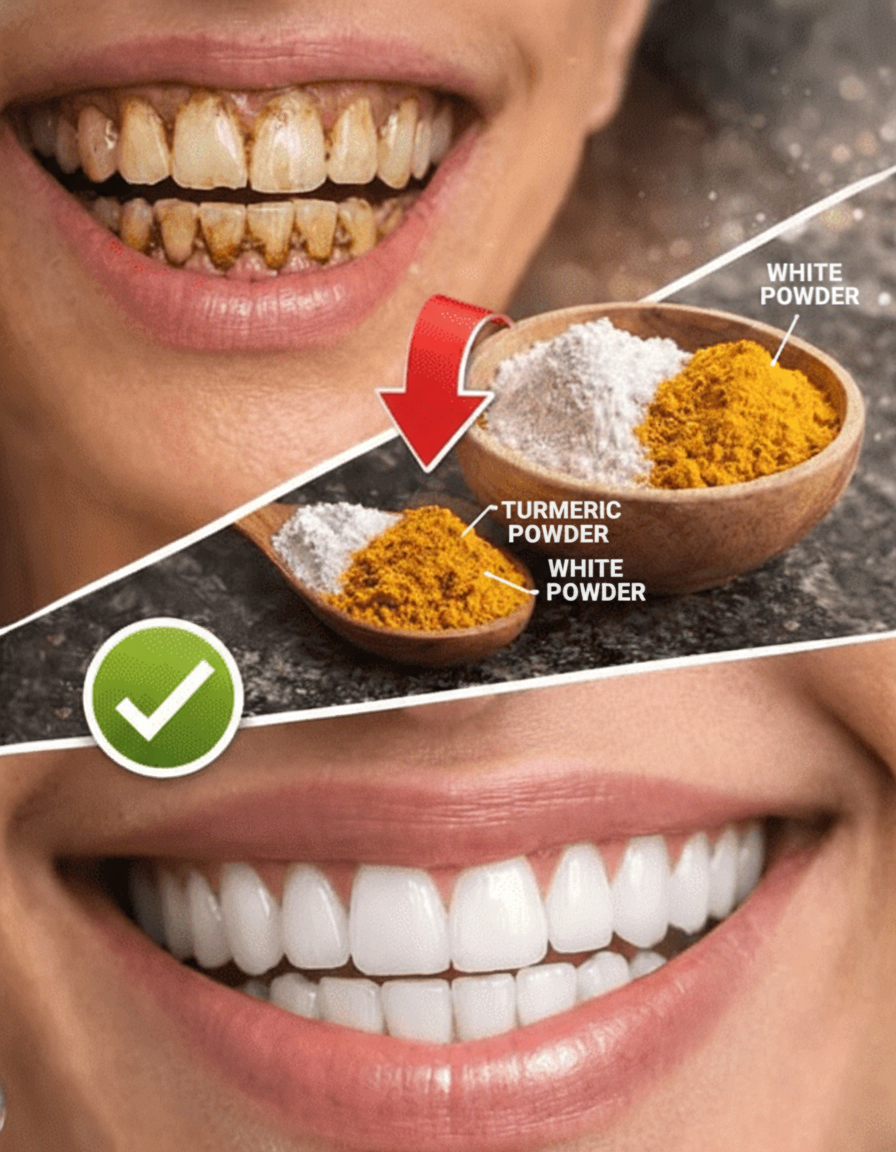
Understanding the differences between natural, DIY solutions and commercially available products can help you make an informed choice for your oral care needs.
- Natural Solutions (e.g., this paste): These typically utilize common household items, are free from added synthetic chemicals, and offer the flexibility of customization right in your home. They promote a mindful approach to oral hygiene.
- Commercial Whitening Products: Often contain potent agents like peroxides or specialized abrasives, which can deliver faster, more noticeable changes in some cases. However, these products may also lead to increased tooth sensitivity for certain individuals.
Both categories have their distinct advantages. Natural methods encourage a holistic and conscious routine, while professional guidance remains crucial for ensuring safety and addressing specific dental concerns.
Potential Benefits & Important Considerations
Based on anecdotal evidence and some smaller-scale studies, users often report several positive outcomes from incorporating this natural paste into their routine:
- The gentle abrasive action of baking soda can contribute to gradual surface stain removal over time with consistent use.
- Turmeric’s well-documented anti-inflammatory and antimicrobial properties may help maintain a healthier oral environment, potentially soothing minor gum irritation.
- Opting for this combination provides a natural alternative, avoiding the harsher chemical agents sometimes found in over-the-counter dental products.
It’s vital to remember that individual results can vary significantly depending on factors such as diet, existing brushing habits, and your natural tooth shade. This natural approach is intended to supplement, not replace, professional dental cleanings or treatments for underlying oral health issues.
Crafting Your Own Baking Soda & Turmeric Paste: A Step-by-Step Guide
Here’s a simple, widely shared recipe that many incorporate into their weekly oral care regimen. To prevent over-abrasion, it’s advisable to use this paste sparingly—perhaps 1 to 2 times per week.
- Gather Your Ingredients: You will need 1 teaspoon of high-quality turmeric powder, 1 teaspoon of baking soda, and a small quantity of water (or coconut oil, if you prefer a smoother texture and added benefits).
- Prepare the Mixture: In a small, clean bowl, combine the turmeric powder and baking soda thoroughly. Gradually add water, drop by drop, mixing continuously until a thick, spreadable paste forms. The consistency should be similar to regular toothpaste.
- Gentle Application: Wet your toothbrush. Scoop a pea-sized amount of the paste onto the bristles. Brush your teeth in gentle, circular motions for approximately 1 to 2 minutes, ensuring you cover all tooth surfaces. Pay particular attention to being extra gentle around your gum line.
- Optional Brief Hold: Some users choose to let the paste sit on their teeth for about 1 minute to allow the ingredients more time to interact. However, do not exceed this duration to minimize any potential for irritation.
- Rinse Thoroughly: Swish your mouth vigorously with water multiple times until all traces of the yellow paste are completely removed. For best results, follow up with your regular toothpaste if desired.