 By admin
 Omega-3 Supplements and PCOS: Boosting Menstrual Cycle Regularity, Backed by Research
For many women navigating Polycystic Ovary Syndrome (PCOS), managing irregular menstrual cycles is a significant challenge. These unpredictable patterns can lead to considerable frustration, disrupt daily life, and contribute to stress, compounding the complexities of this common hormonal condition. As individuals seek effective strategies to foster greater cycle consistency and address associated metabolic issues, such as unfavorable lipid profiles, the spotlight often turns to accessible lifestyle interventions. Promisingly, a growing body of research suggests that specific nutritional choices, including the regular intake of omega-3 fatty acids, could offer valuable support for both menstrual regularity and overall metabolic well-being in women with PCOS.
This article delves into the findings of a key 2017 study published in the Journal of Research in Medical Sciences, which specifically investigated the impact of omega-3 supplementation on women with PCOS. Beyond this pivotal research, we’ll also explore the broader scientific context and provide practical, evidence-based tips on how you might safely integrate omega-3s into your daily regimen.
Understanding PCOS and the Importance of Menstrual Cycle Regularity
Polycystic Ovary Syndrome (PCOS) stands as a prevalent endocrine disorder impacting women during their reproductive years. Its hallmark features frequently include erratic or absent menstrual periods, elevated levels of androgens (male hormones), and notable metabolic disturbances. These irregular menstrual patterns—characterized by extended intervals between periods or highly unpredictable timing—do more than just complicate daily planning; they often serve as indicators of deeper hormonal and metabolic dysregulation that can profoundly influence energy levels, mood stability, and long-term health trajectories.
Achieving and maintaining menstrual cycle regularity in PCOS extends far beyond mere convenience. It is intrinsically linked to establishing improved hormonal equilibrium, which in turn can mitigate the risks associated with serious health complications such as insulin resistance, type 2 diabetes, and cardiovascular disease. Consequently, scientific inquiry persistently explores readily available interventions, including specific dietary fats known to modulate inflammation and metabolic pathways, as potential avenues for supporting women with PCOS.
Unpacking the 2017 Study: Omega-3s and PCOS Outcomes
To better understand the potential benefits of omega-3s for PCOS, we turn to a significant 2017 investigation published in the Journal of Research in Medical Sciences. This rigorous study was designed as a double-blind, placebo-controlled clinical trial, a gold standard for evaluating interventions. It enlisted 88 women who had received a diagnosis of PCOS. These participants were carefully randomized into two groups: one receiving a daily dose of 2 grams of omega-3 fatty acids, and the other a placebo in the form of olive oil capsules. The intervention period spanned six months, during which researchers meticulously monitored a range of health markers, including crucial metabolic indicators and detailed menstrual cycle patterns.
The outcomes from this trial were compelling. Notably, women in the omega-3 supplementation group demonstrated a significant decrease in the duration between their menstrual periods, indicating a clear trend towards more regular cycles when compared to the placebo group. Furthermore, positive shifts were observed in several metabolic parameters: participants experienced reductions in waist circumference, triglyceride levels, and LDL cholesterol (often referred to as “bad” cholesterol), alongside an increase in beneficial HDL cholesterol (the “good” kind).
It is important to note, however, that the study did not report significant alterations in fasting blood sugar levels, ovarian dimensions, follicle count, overall body weight, or hirsutism scores (excessive hair growth). These findings collectively suggest that a sustained intake of omega-3s over a six-month period can contribute to improved lipid profiles and foster more predictable menstrual patterns in some individuals with PCOS. The researchers posited that omega-3s, renowned for their potent anti-inflammatory effects, likely exert their influence on both reproductive and metabolic health through indirect mechanisms. To fully grasp these potential pathways, let’s explore the underlying biological roles of omega-3 fatty acids.
The Mechanisms: How Omega-3s May Support PCOS Management
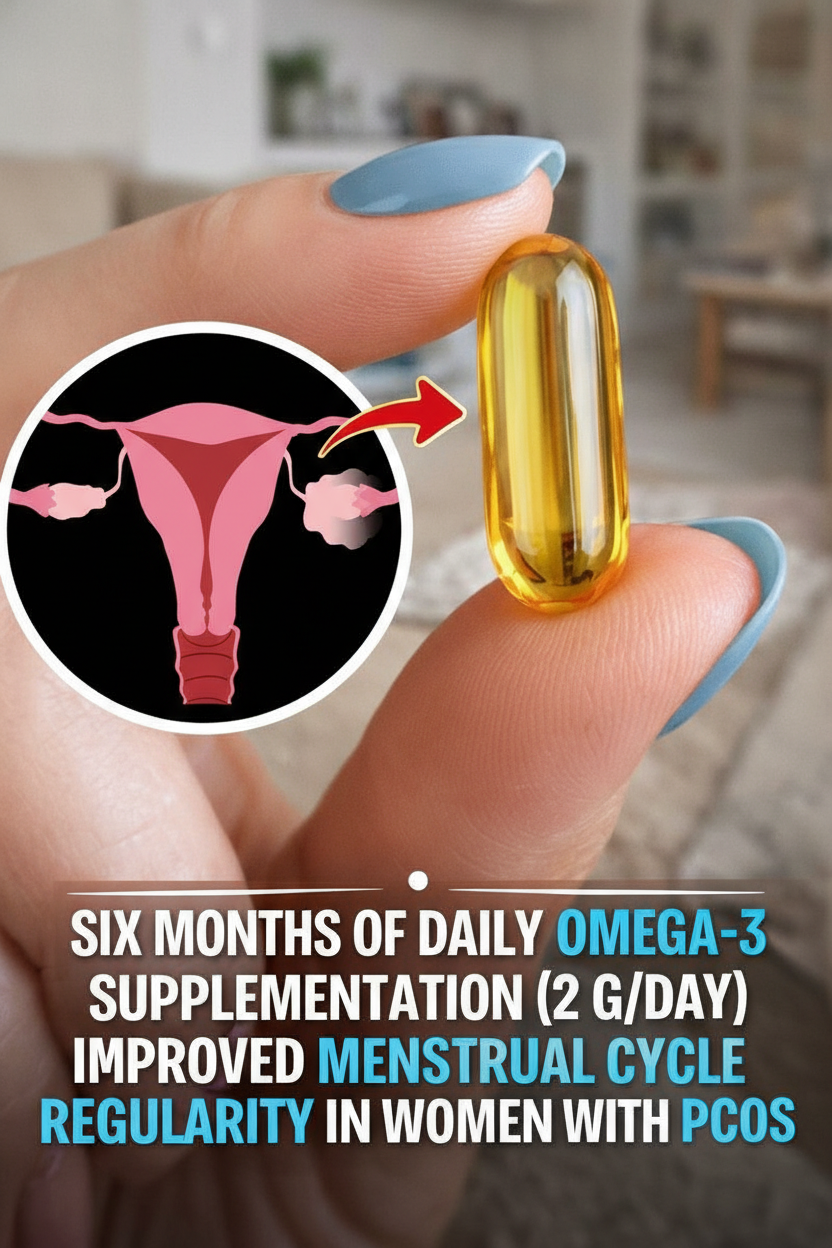
Omega-3 fatty acids, particularly eicosapentaenoic acid (EPA) and docosahexaenoic acid (DHA) found abundantly in sources like fish oil, are classified as essential fats. This means the human body cannot synthesize them independently, making dietary intake crucial. These vital nutrients are integral to numerous physiological processes, including maintaining healthy cell membranes, significantly reducing systemic inflammation, and facilitating optimal hormone signaling throughout the body.
In the context of PCOS, chronic low-grade inflammation and insulin resistance are frequently identified as key contributors to the characteristic cycle irregularities and other symptoms. Scientific inquiry suggests that omega-3s can intervene in these processes through several mechanisms:
- Lipid Metabolism Modulation: They help regulate lipid metabolism, leading to improvements in cholesterol and triglyceride levels, as observed in the 2017 study.
- Inflammatory Balance: By supporting a healthy inflammatory response, omega-3s can indirectly foster better hormonal regulation, which is vital for regular menstrual cycles.
- Ovulation and Cycle Timing: There is potential for omega-3s to positively influence pathways critical for ovulation and the precise timing of the menstrual cycle.
While the 2017 trial specifically examined a daily 2-gram dose over six months, it’s worth noting that other research has explored similar beneficial effects, underscoring that consistent, longer-term omega-3 supplementation could indeed lead to perceptible improvements in menstrual regularity for certain individuals. The following summary highlights the key outcomes from the discussed study:
Key Outcomes from the 2017 Omega-3 Study:
- Improved in Omega-3 Group: Menstrual cycle interval (shorter gaps, indicating more regularity), waist circumference, triglycerides, LDL cholesterol, HDL cholesterol.
- No Significant Change: Fasting blood sugar, body weight, ovarian measurements (size, follicle count), hirsutism.
These specific findings are consistent with a broader body of evidence suggesting that omega-3s primarily offer supportive metabolic benefits without necessarily producing drastic changes across all facets of PCOS symptomatology. Their role appears to be more nuanced, focusing on specific metabolic and inflammatory pathways.
Integrating Omega-3s: Practical Tips for PCOS Support
If you are considering incorporating omega-3 fatty acids as a supportive element in your PCOS management plan, it is crucial to engage in a discussion with your healthcare provider. They can offer personalized advice based on your specific health profile and existing medications. Here are some actionable steps to consider:
- Dietary Sources First: Prioritize rich food sources of omega-3s, such as fatty fish (salmon, mackerel, sardines, tuna) consumed 2-3 times per week. Plant-based sources include flaxseeds, chia seeds, and walnuts, though their conversion to EPA and DHA is less efficient.
- Supplementation Considerations: If dietary intake is insufficient, a high-quality fish oil or algal oil (for vegetarians/vegans) supplement might be beneficial. The 2017 study used 2 grams daily, but dosage can vary. Always look for supplements that are third-party tested for purity and potency.
- Monitor Your Progress: Work with your doctor to track any changes in your menstrual cycle patterns, metabolic markers, and overall well-being. This will help assess the effectiveness of omega-3s for your individual needs.
- Holistic Approach: Remember that omega-3 supplementation is best viewed as part of a broader, holistic approach to PCOS management, which typically includes a balanced diet, regular physical activity, stress management, and other prescribed medical treatments.
Final Thoughts
While living with PCOS presents unique challenges, the ongoing research into nutritional interventions like omega-3 fatty acids offers a beacon of hope. The evidence, including the compelling 2017 study, suggests a valuable role for these essential fats in supporting menstrual cycle regularity and improving key metabolic parameters. By understanding the science and integrating practical, doctor-approved strategies, women with PCOS can empower themselves to pursue better health outcomes and a more predictable quality of life. Always consult with a qualified healthcare professional before starting any new supplement regimen.