 By admin
 The journey into motherhood, particularly in the initial weeks and months, often presents a unique set of emotional and physical challenges. Many new mothers experience an unexpected mix of persistent sadness, profound exhaustion, and a general dip in mood, far more frequently than widely acknowledged. These feelings can overshadow the joy of bonding with a newborn, leading to feelings of isolation, guilt, or uncertainty about how to improve their well-being while devotedly caring for their baby. Amidst these struggles, a growing body of research is shedding light on natural alternatives that may offer significant mood support, potentially alleviating concerns associated with conventional medications, especially for those who are breastfeeding. What if a revered spice, historically celebrated in various cultures, could provide a gentle yet effective solution? A recent clinical investigation delved precisely into this potential, focusing on saffron, and its findings merit a closer look. Continue reading to explore the study’s revelations, saffron’s application within the research, and thoughtful considerations for safely integrating such natural approaches into your daily routine.
Navigating Postpartum Mood Challenges: Beyond the “Baby Blues”
Postpartum mood shifts extend beyond the commonly understood “baby blues,” which are transient and typically resolve within two weeks after childbirth. For a substantial number of new mothers, these experiences manifest as more enduring low energy, heightened irritability, or a notable struggle to connect joyfully with their infant. When such symptoms persist, they can profoundly disrupt daily life, affecting sleep patterns, appetite, and crucial family relationships. A common barrier to seeking professional help is the concern surrounding medication safety, particularly for those who are breastfeeding, or a general preference for exploring natural, gentler interventions first. This context underscores the vital importance of exploring herbal remedies and supportive strategies that resonate with individual values and lifestyle choices.
Saffron’s Potential: Insights from a Landmark Study on Postpartum Mood Support
To rigorously investigate saffron’s impact, a significant double-blind, randomized, placebo-controlled clinical trial, featured in the journal Phytomedicine, focused on this critical area. The study involved 60 breastfeeding mothers who were experiencing mild-to-moderate postpartum mood difficulties. Participants were systematically split into two cohorts: one group received 15 mg of saffron stigma extract twice daily, amounting to a total of 30 mg per day, while the control group was administered a placebo. Conducted over an 8-week period, the trial meticulously monitored mood fluctuations using the Beck Depression Inventory-II (BDI-II), an extensively validated instrument for assessing the severity of depressive symptoms. The following key findings emerged from the data:
- Participants receiving saffron demonstrated a remarkable reduction in their average BDI-II scores, plummeting from 20.3 to 8.4. In stark contrast, the placebo group showed a less pronounced improvement, with scores moving from 19.8 to 15.1.
- By the conclusion of the 8-week trial, an impressive 96% of mothers in the saffron cohort achieved remission (defined as minimal remaining symptoms), significantly higher than the 43% observed in the placebo group.
- Furthermore, two-thirds of those taking saffron exhibited a complete response, indicating a substantial alleviation of symptoms.
- These disparities were deemed statistically significant, strongly suggesting that saffron offered superior support for enhancing mood among the study participants.
- Crucially, the trial reported no significant adverse effects for either the mothers or their breastfed infants, highlighting saffron’s favorable safety profile in this vulnerable population.
Beyond this specific inquiry, saffron has also been the subject of numerous other investigations into mood regulation, consistently yielding promising outcomes when benchmarked against conventional treatments or inactive controls.
The Science Behind Saffron: How It May Support Emotional Balance
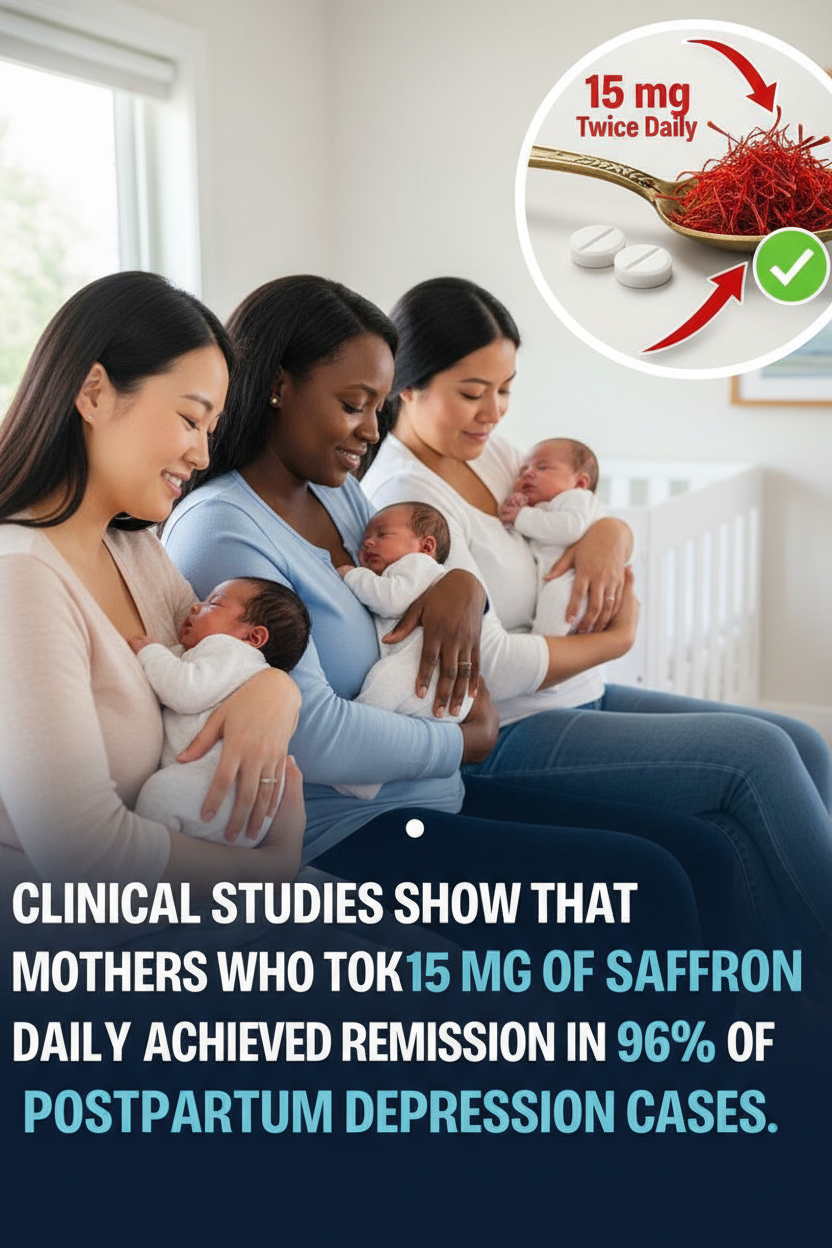
Derived from the delicate, dried stigmas of the Crocus sativus flower – the distinctive crimson threads often associated with fine cuisine – saffron is a powerhouse of bioactive compounds. Key among these are crocin and safranal, which preliminary laboratory and human investigations indicate may positively modulate brain chemistry, thereby fostering emotional equilibrium. A significant advantage observed in this study, specifically tailored for breastfeeding mothers, was saffron’s apparent tolerability, contrasting with potential side effects of certain conventional interventions. This attribute is immensely valuable for new mothers seeking gentle, natural choices that seamlessly integrate with their nursing journey.
Saffron vs. Placebo: A Snapshot of Key Study Outcomes
- Average Initial BDI-II Score: Saffron group approximately 20.3 | Placebo group approximately 19.8
- Average Final BDI-II Score: Saffron group significantly reduced to 8.4 | Placebo group improved to 15.1
- Remission Rate (at 8 weeks): Saffron group achieved 96% | Placebo group reached 43%
- Full Response Rate (substantial symptom reduction): Saffron group demonstrated approximately 67% | Placebo group showed a considerably lower rate
This comparative overview clearly illustrates the consistent and superior efficacy of saffron in promoting significant improvements in mood scores among participants, as opposed to the placebo.
Integrating Saffron Thoughtfully: Important Considerations for New Mothers
If this research has sparked your interest in saffron as a potential support for postpartum well-being, it’s essential to approach its integration thoughtfully and responsibly. Here are some key considerations:
- Consult Your Healthcare Provider First: Before starting any new supplement, especially while pregnant, breastfeeding, or managing a health condition, it is crucial to speak with your doctor or a qualified healthcare professional. They can offer personalized advice, assess potential interactions with other medications, and determine if saffron is appropriate for your individual circumstances.
- Start with a Low Dose and Monitor: If advised by your healthcare provider, begin with a minimal dosage and carefully observe how your body responds and how your mood evolves. Keeping a journal can be helpful to track any changes, positive or otherwise.
- Source High-Quality Saffron: Ensure you are purchasing saffron from reputable suppliers. The quality and purity of saffron extracts can vary, and choosing a trusted brand is vital for safety and efficacy.
- Understand It’s Complementary, Not a Replacement: Saffron, while promising, should be viewed as a complementary approach to well-being. It is not a substitute for professional medical care, therapy, or prescribed treatments for more severe mood disorders. Always discuss your mental health concerns openly with your doctor.
The findings on saffron’s role in supporting postpartum mood are encouraging, offering a natural avenue for new mothers seeking gentle support. However, informed decisions, guided by professional medical advice, remain paramount for ensuring safety and achieving optimal well-being.