 By admin
 For years, a disturbing trend has puzzled medical professionals and alarmed families: the steady increase in colon cancer diagnoses among younger adults. Once predominantly associated with older age groups, this disease is now affecting individuals in their 20s, 30s, and 40s at unprecedented rates. The shift is particularly unsettling, prompting questions about what factors in modern life might be driving this rise. While loved ones appear healthy, they are suddenly confronting severe symptoms, and doctors are observing a growing number of cases in patients under 50. Recent scientific investigations are shedding light on a surprising potential contributor within the gut, which could explain a significant portion of this increase. Understanding this emerging clue may fundamentally transform our approach to prevention. Join us as we explore what scientists are uncovering about this critical link and discover practical steps you can implement today to bolster your gut health.
The Alarming Surge in Early-Onset Colorectal Cancer
Colorectal cancer, encompassing cancers of both the colon and rectum, has exhibited a dramatic uptick across younger demographics. Data from reputable organizations, such as the American Cancer Society, reveal that incidence rates for adults under 50 have approximately doubled in recent decades across numerous countries. Furthermore, global analyses indicate rising trends in at least 27 nations, with the increase sometimes being more rapid or even exclusive to younger individuals compared to their older counterparts. This evolving landscape is deeply concerning because early-onset cases frequently present as more aggressive and are often diagnosed at advanced stages. This delay in diagnosis occurs because common symptoms, such as persistent abdominal pain, changes in bowel habits, or rectal bleeding, are often dismissed by young adults as minor issues like stress, dietary problems, or hemorrhoids, thereby postponing crucial medical evaluations. Crucially, while a family history can play a role in some instances, the majority of these early-onset colorectal cancers are sporadic, meaning they are primarily linked to environmental and lifestyle influences rather than purely genetic predispositions.
Modern Lifestyles: A Contributing Factor?
Contemporary living has introduced profound changes that subtly impact our physiological well-being. Dietary patterns have gravitated towards highly processed foods, often deficient in fiber, and rich in red and processed meats. Sedentary routines, fueled by desk-bound jobs and extensive screen time, have led to a significant reduction in physical activity for many. Concurrently, escalating rates of obesity further compound the problem, as excess body weight is a known risk factor for various cancers, including colorectal malignancies. These lifestyle shifts do more than just affect weight or energy levels; they can profoundly disrupt the delicate balance of microorganisms residing in our intestines—collectively known as the gut microbiome. Emerging research suggests that imbalances within this microbiome (dysbiosis) can foster chronic inflammation and drive adverse cellular changes in the colon over time.
A Groundbreaking Clue: The Role of Specific Gut Bacteria
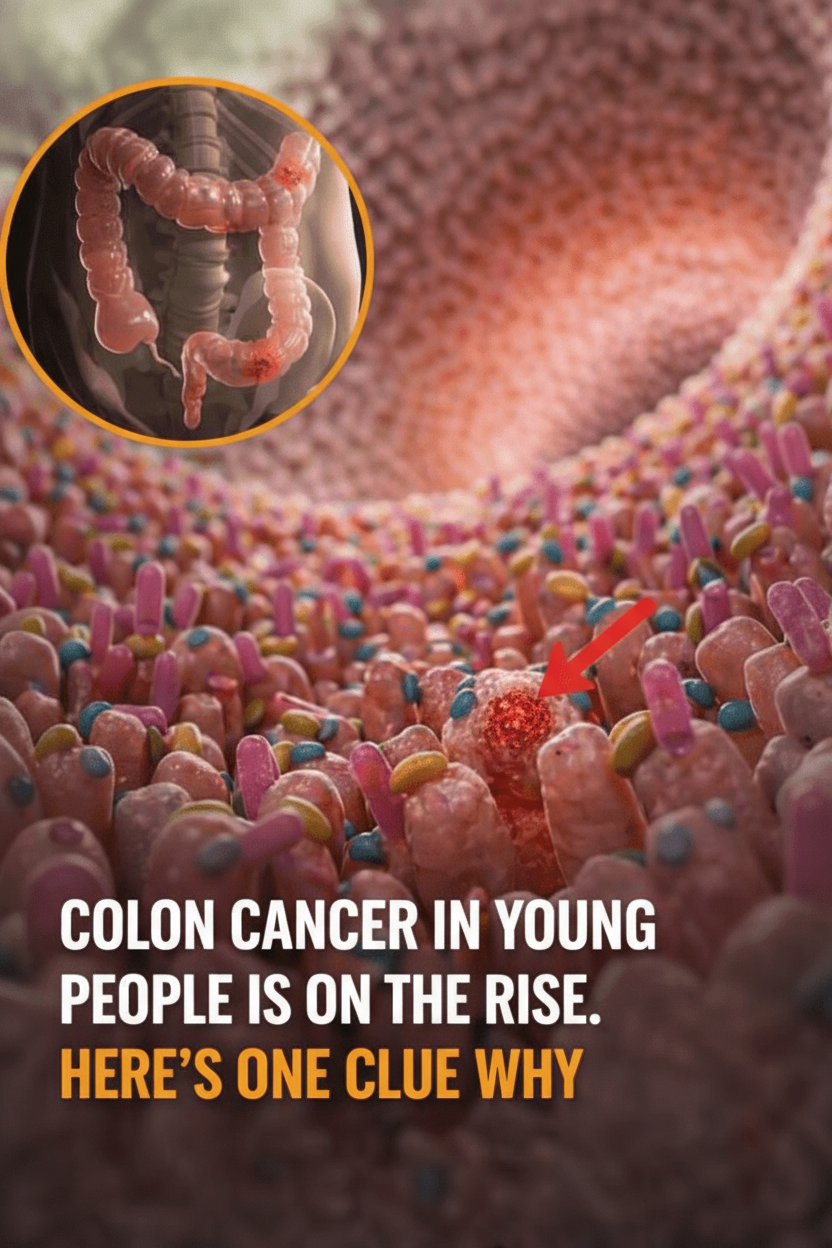
This is where the scientific narrative becomes particularly compelling. For years, researchers have delved into how the trillions of microbes inhabiting our gut influence overall health, ranging from digestive efficiency to immune function. Now, accumulating evidence points to a specific toxin produced by certain bacterial strains, notably some types of E. coli. This potent toxin, known as colibactin, possesses the capacity to inflict direct damage upon the DNA within colon cells. Recent studies, including sophisticated analyses of tumor genomes, have consistently identified signatures of colibactin-related DNA alterations more frequently in early-onset colorectal cancers than in cases diagnosed later in life. A significant finding indicates that exposure to this toxin might occur very early in life—potentially even during childhood—thereby laying the groundwork for the accelerated development of cellular abnormalities decades later. However, this is not the sole piece of the puzzle…
The composition and function of the gut microbiome are profoundly shaped by early-life factors, including diet, antibiotic use, birth method, and infant feeding practices. Modern diets, characterized by low fiber content and high levels of processed ingredients, can inadvertently foster the proliferation of certain harmful bacteria while diminishing the presence of beneficial, protective species. Animal studies have demonstrated that colibactin-producing bacteria can indeed promote tumor growth under specific experimental conditions, and human data is increasingly corroborating these findings. It’s crucial to understand that no single bacterium is solely responsible for this phenomenon; rather, it’s likely a complex interplay of various environmental, dietary, and lifestyle factors that collectively tip the balance for susceptible individuals. Nevertheless, this direct connection to the gut microbiome offers a fresh and compelling perspective on why colorectal cancer rates are accelerating so rapidly among younger generations.
Why Gut Health is Paramount for Prevention
The gut is far more than just a conduit for digestion; it serves as a sophisticated ecosystem that profoundly influences inflammatory processes, immune responses, and the intricate mechanisms of cellular DNA repair. When this critical balance is disturbed—a state known as dysbiosis—it can inadvertently create an internal environment conducive to the silent accumulation of detrimental biological processes. Research continues to reveal distinct differences in microbial diversity and the prevalence of specific bacterial species in individuals with early-onset colorectal cancer compared to older patients or healthy controls. While extensive further research is undoubtedly required, these findings underscore the profound importance of maintaining a healthy gut microbiome as a key strategy in the broader context of cancer prevention.