 By admin
 Over 65? Elevate Your Mobility: Why 3 Key Exercises Outperform Walking Alone (Surgeon Insights Included)
As we navigate life beyond 65, many of us notice that once-simple actions—like effortlessly standing from a chair or bending to tie shoelaces—begin to demand more effort. This shift is common, stemming from the natural decline in muscle mass, decreased balance, and reduced physical stability that often accompany aging. These changes are widespread, affecting millions of older adults globally, with falls representing a significant health concern leading to numerous injuries annually.
While daily walks are undeniably beneficial for cardiovascular health, boosting mood, and enhancing overall endurance, a growing consensus among orthopedic specialists and scientific research indicates that walking alone might not fully address the comprehensive strength and stability requirements crucial for healthy aging. Imagine if incorporating just three specific types of exercises could profoundly improve your daily function and foster greater independence. Expert insights from surgeons and extensive studies highlight how these targeted movements can significantly enhance the advantages of your regular walking routine. Continue reading to explore these pivotal exercises and understand their profound impact.
The Overlooked Gaps: Why Walking Alone May Not Be Enough for Seniors
While a brisk walk offers undeniable advantages for cardiovascular health and sustaining general activity, relying solely on it after age 65 can leave crucial gaps in your fitness regimen. This is largely due to sarcopenia, the progressive, age-related loss of muscle mass and strength, which can accelerate by 3-8% per decade without specific resistance training. The practical implications are significant: everyday tasks like carrying groceries can become increasingly challenging, and the body’s ability to recover from a minor stumble might diminish, prolonging recovery time. Furthermore, balance naturally tends to decline, elevating the risk of trips and falls.
It’s understandable why many assume daily walks suffice, given their role in calorie expenditure and promoting healthy circulation. However, leading orthopedic surgeons consistently highlight that while walking forms an excellent foundation for active living, it frequently lacks the necessary intensity to effectively build or preserve the specific muscle strength and refined balance skills essential for robust fall prevention. This is precisely where the principle of variety becomes paramount. Our bodies thrive on diverse movements, and integrating targeted, at-home exercises can effectively bridge these vital fitness gaps.
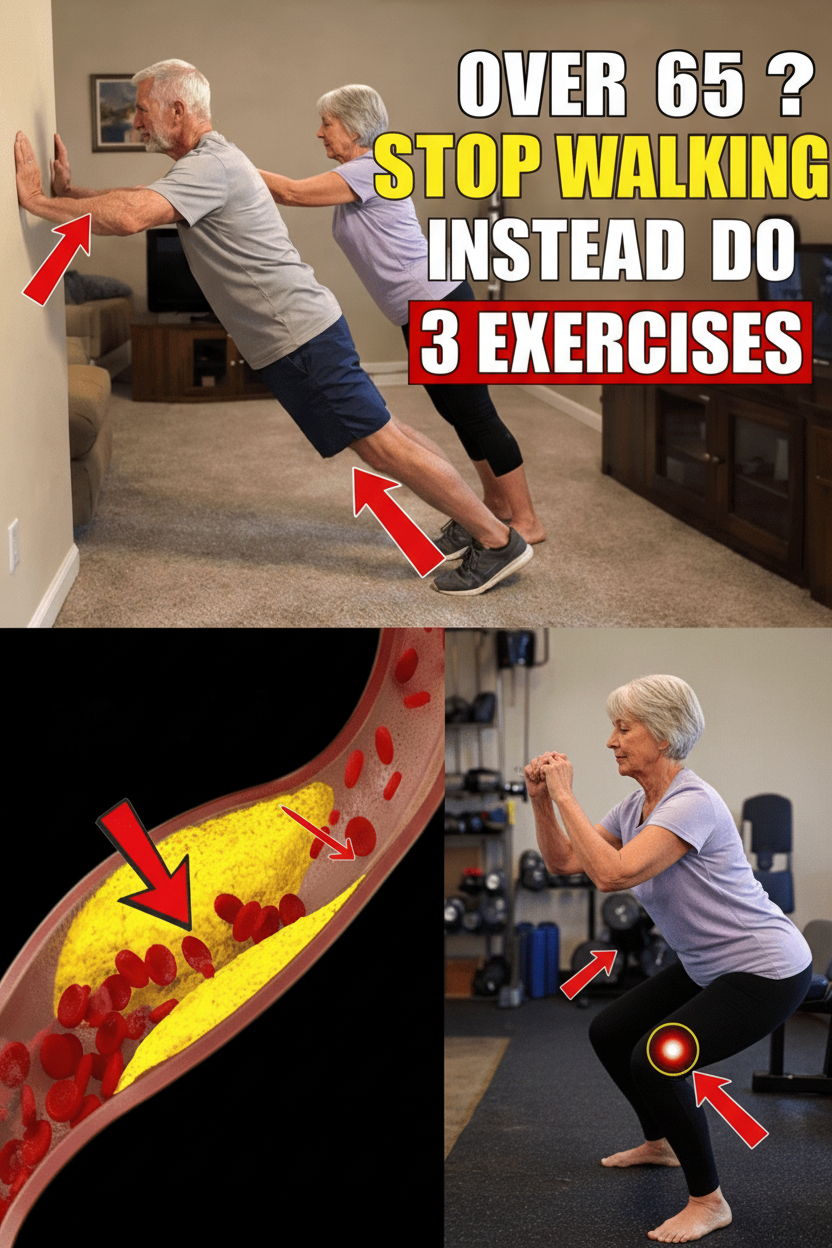
Enhancing Mobility: The Limitations of Solely Walking for Strength and Stability
While regular brisk walking excels at boosting circulation and enhancing stamina, scientific research consistently demonstrates that its contribution to significant muscle development or improving bone density is minimal when compared to exercises involving resistance. A common thought might be, “I already walk daily, so why introduce anything new?” This perspective is valid, given walking’s positive impact on calorie expenditure and mental well-being. Nevertheless, health professionals emphasize that dedicated strength and balance training specifically target critical physiological areas that walking addresses less comprehensively. Orthopedic surgeons, in particular, frequently underscore the importance of these specialized exercises for adults aged 65 and over to preserve functional ability and mitigate the risks of falling. The encouraging aspect is that these beneficial additions are often straightforward, require no special equipment, and can be performed conveniently in your own home. Yet, the true transformative power lies in the remarkable enhancement of everyday independence they provide.
Introducing the Vital Trio: Expert-Endorsed Exercises for Enhanced Senior Health
To comprehensively address the needs of older adults, experts advocate for a powerful combination of three exercise categories: strength training, balance exercises, and chair-based movements. This trio strategically targets essential muscle groups, cultivates stability, and refines functional skills crucial for daily living. Extensive research, including recommendations from esteemed institutions like the CDC and Johns Hopkins, consistently connects these practices to significantly improved health outcomes for seniors. Evidence suggests that integrating both strength and balance routines can substantially lower the risk of falls, simultaneously aiding in muscle preservation and simplifying everyday activities. Below, we delve into the specific reasons why orthopedic surgeons frequently endorse these exercises as a vital complement to your walking regimen.
Nine Profound Benefits of Incorporating These Exercises for Seniors
- Boosted Lower Body Power for Effortless Movement: Envision rising from a deep armchair or navigating stairs with significantly less exertion. Exercises such as chair stands specifically engage your quadriceps and glutes, facilitating smoother, more confident transitions in your daily routine.
- Enhanced Core Strength for Optimal Posture: A robust core musculature provides superior support for an upright posture, which can alleviate common back discomfort. Many individuals report a noticeable reduction in slouching and improved spinal alignment with consistent engagement.
- Sharpened Reaction Time for Trip Prevention: The ability to make swift, instinctive adjustments is critical when faced with unexpected obstacles or imbalances. Targeted agility drills can significantly refine your body’s responsiveness, proactively reducing the likelihood of stumbles and falls.
- Fortified Bone Density to Combat Osteoporosis: Incorporating weight-bearing and resistance-based activities plays a crucial role in maintaining strong, healthy bones as you age, offering a vital defense against the progression of osteoporosis.
- Increased Confidence in Everyday Activities: A diminished fear of falling empowers older adults to embrace more active lifestyles, leading to greater participation in social events, hobbies, and overall enjoyment of life.
- Accelerated Functional Improvements: Many participants in regular exercise programs experience tangible improvements in their mobility and functional capabilities within just a few weeks of consistent practice, translating to immediate real-world benefits.
- Significant Reduction in Fall Risk: Data consistently highlights that routines specifically designed to improve balance are exceptionally effective in decreasing the incidence rates of falls among seniors, enhancing safety and well-being.
- Sustained Muscle Mass Preservation: Regular engagement in strength training directly counters the natural age-related decline in muscle mass (sarcopenia), supporting sustained energy levels and physical capability over many years.
- Comprehensive Independence for Thriving Golden Years: Collectively, these exercises empower seniors with steadier steps, assured movements, and the ability to fully engage in life’s pleasures—whether it’s gardening, actively playing with grandchildren, or confidently exploring the great outdoors.