 By admin
 Navigating Life After Gallbladder Removal: Understanding Digestive Changes, Common Conditions, and Effective Management Strategies
Experiencing sharp, often debilitating pain in the upper right abdomen after a rich meal, or persistent bloating that interferes with daily activities, is a common reality for individuals suffering from gallstones or gallbladder inflammation. The standard medical recommendation for such conditions is often a cholecystectomy, the surgical removal of the gallbladder. While this procedure offers significant relief for many, it fundamentally alters how the body manages bile – the crucial digestive fluid synthesized by the liver. In the absence of the gallbladder, which typically stores and concentrates bile for targeted release, bile now continuously trickles into the small intestine. This significant physiological change can necessitate considerable digestive adaptations for a subset of patients.
Indeed, studies indicate that up to 40% of individuals post-cholecystectomy may encounter persistent or novel symptoms, frequently categorized as Post-Cholecystectomy Syndrome (PCS). What often surprises many is the emergence of specific digestive shifts following surgery. Gaining insight into these potential changes, coupled with proactive lifestyle strategies, can empower you to better manage your health. Continue reading, as we will later delve into actionable steps designed to genuinely improve the management of these concerns.
The Digestive Shift: How Cholecystectomy Alters Bile Flow
The gallbladder, a small, pear-shaped organ situated beneath the liver, primarily functions as a reservoir for bile. Its role is to store and concentrate bile, releasing it into the small intestine specifically when you consume food, particularly fats, to aid in their breakdown. Post-cholecystectomy, the liver continues its vital role of producing bile. However, with the storage capacity gone, bile is no longer released on demand but rather flows in a continuous, unregulated drip into the small intestine. While research suggests that the majority of individuals eventually adapt to this steady bile flow, enabling normal digestion, a significant minority may experience difficulties processing dietary fats or managing specific types of meals. It’s common for many to encounter transient symptoms like loose stools or general abdominal discomfort during the initial weeks or months of adjustment. Yet, for some, these digestive alterations can evolve into chronic patterns, significantly impacting their overall quality of life.
Common Digestive Challenges Post-Gallbladder Surgery
Post-Cholecystectomy Syndrome (PCS) encompasses a spectrum of symptoms that either persist from before surgery or newly manifest following the procedure. Although not universally experienced, reputable institutions such as the Mayo Clinic and Cleveland Clinic have identified several frequently occurring digestive issues. Below are three prominent examples:
Chronic Loose Stools or Diarrhea (Bile Acid Malabsorption)
Without the gallbladder to regulate the release of concentrated bile, an excess of bile acids can sometimes pass directly into the large intestine. Here, these acids irritate the bowel lining, functioning much like a natural laxative. This frequently results in recurrent, watery bowel movements, particularly following meals. Initial studies indicate that a substantial number of patients experience this symptom, which often subsides over time. However, for a subset of individuals, this progresses into persistent bile acid malabsorption (BAM), characterized by frequent urges and significant abdominal discomfort.
Bloating, Gas, and Indigestion
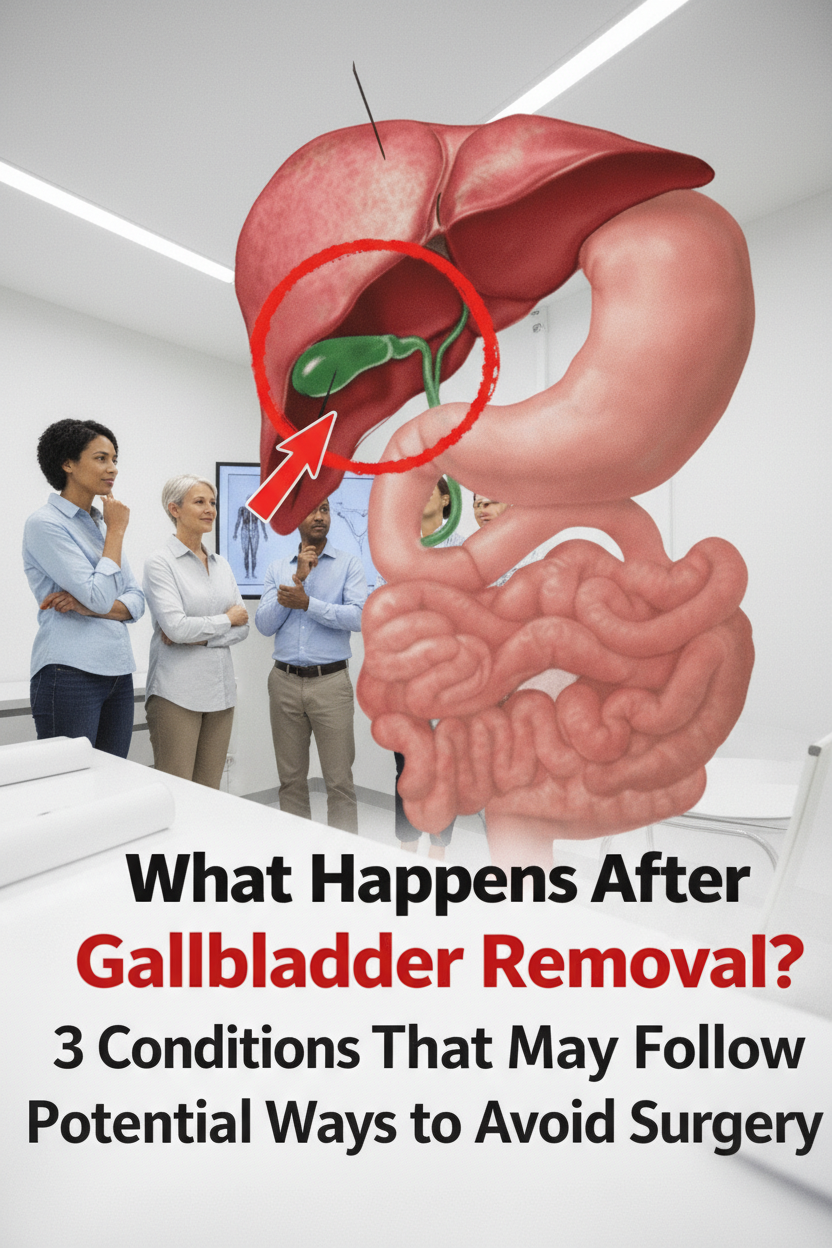
The continuous, unregulated flow of bile can present challenges for the digestive system, especially when processing fatty or large meals. This often leads to symptoms such as abdominal bloating, excessive gas, and a persistent sensation of fullness. Some individuals also report experiencing heartburn-like sensations or a general feeling of unease in the upper abdomen. These symptoms are directly linked to the altered dynamics of how bile interacts with ingested food within the gastrointestinal tract.
Abdominal Discomfort or Pain
In a smaller yet significant number of cases, individuals may experience persistent pain or cramping in the right upper quadrant of the abdomen. This discomfort can be attributed to various factors, including structural changes within the bile ducts or dysfunction of the sphincter of Oddi – a crucial muscular valve that regulates the flow of bile and pancreatic juices into the small intestine. Although less prevalent than other PCS symptoms, this type of pain can strikingly resemble the discomfort experienced before surgery, often necessitating further medical evaluation to identify its precise cause.
It’s important to reiterate that the development of these conditions is not a certainty for everyone who undergoes cholecystectomy. A considerable number of patients resume their normal routines without encountering significant post-operative digestive issues. Furthermore, pre-existing digestive sensitivities can play a significant role in an individual’s susceptibility to these challenges. However, before committing to surgery, there are additional considerations worth exploring.
Beyond Surgery: Exploring Non-Invasive Management for Gallbladder Health
While surgical intervention, specifically cholecystectomy, remains the gold standard for treating symptomatic gallstones or severe gallbladder inflammation to avert serious complications such as infection or blockages, it’s not always the sole path. For individuals experiencing mild or manageable symptoms, or those with specific types of gallstones (like cholesterol-based ones), exploring non-surgical alternatives can be a viable initial approach. A combination of thoughtful lifestyle modifications and consistent medical oversight can be highly beneficial in these selected scenarios. Below are practical strategies that many individuals find effective in managing gallbladder-related concerns, both before and after surgery:
Adopt a Low-Fat, Balanced Diet
- Smaller, Frequent Meals: Opt for smaller portions consumed more frequently throughout the day to prevent overwhelming your digestive system, which may struggle with large quantities of food post-surgery.
- Limit Trigger Foods: Initially, significantly reduce or avoid fried foods, high-fat dairy products, rich sauces, and excessively greasy meals. These can be particularly challenging for a system adapting to continuous bile flow.
- Embrace Fiber: Incorporate plenty of fiber-rich foods such as fresh fruits, a wide variety of vegetables, and whole grains. Fiber aids in promoting healthy bowel movements and supports overall digestive regularity.
Stay Hydrated and Active
- Hydration is Key: Ensure you drink an adequate amount of water throughout the day. Proper hydration is essential for maintaining optimal bile consistency and facilitating its smooth flow through the digestive tract.
- Gentle Physical Activity: Engage in regular, moderate exercise, such as daily walking. Physical activity is known to enhance gut motility, reduce bloating, and contribute significantly to overall digestive health and well-being.
- Monitor Symptoms & Consult Professionals: Keep a detailed log of your symptoms, dietary intake, and any discomfort. This information is invaluable for your healthcare provider in tailoring management strategies. Regularly consult with your doctor or a registered dietitian for personalized advice on diet and lifestyle adjustments, especially if symptoms persist or worsen.