 By admin
 Natural Strategies for Early Cavity Repair: Strengthening Enamel and Avoiding Dental Visits
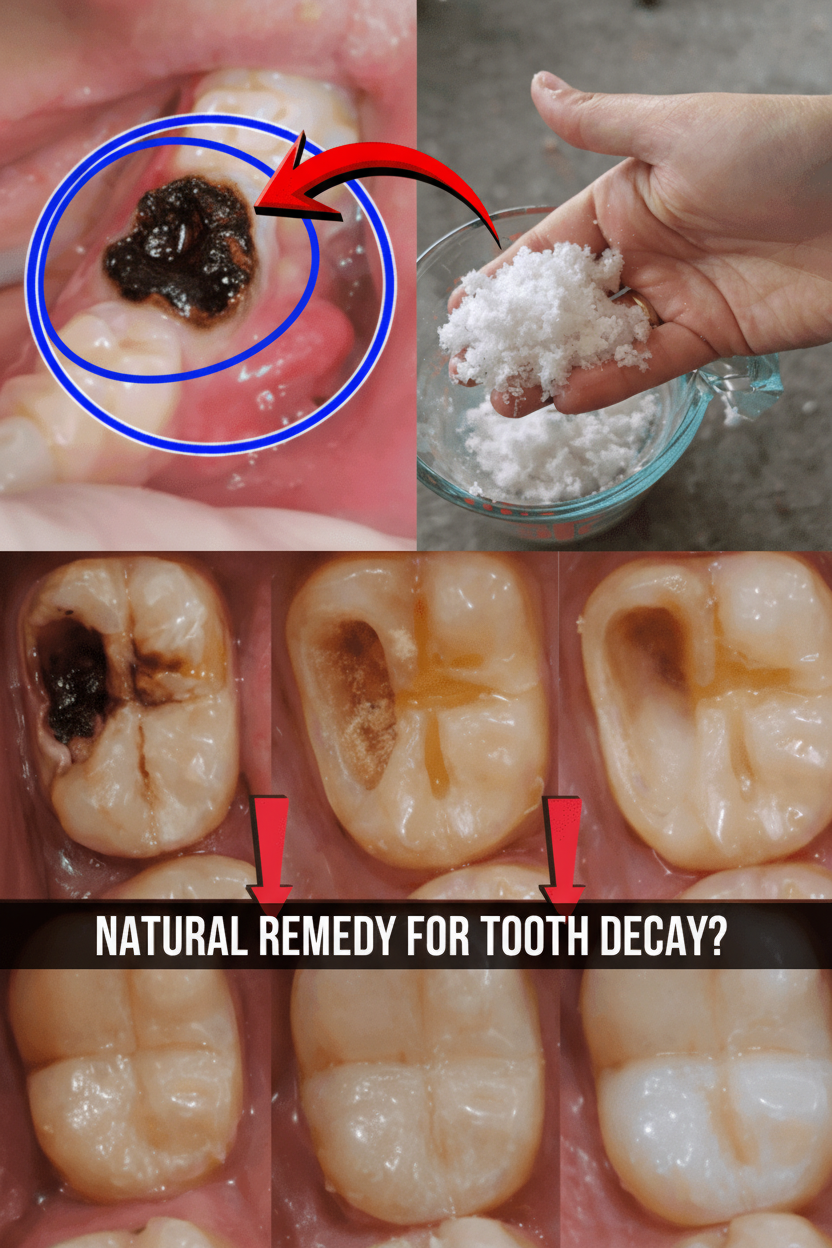
Early-stage cavities, also known as white spot lesions or incipient caries, represent areas where your tooth enamel has just begun to weaken through demineralization, but a complete hole has not yet formed. Crucially, at this initial stage, the damage is often reversible. The incredible news is that your enamel possesses the natural ability to remineralize, provided the optimal conditions are established within your oral environment.
The fundamental objective is to shift the delicate balance within your mouth from enamel demineralization towards robust remineralization. This can be achieved through several key strategies:
- Ensuring an abundant supply of essential minerals, particularly calcium and phosphate.
- Elevating oral pH levels, thereby reducing acidity.
- Minimizing the population of acid-producing bacteria.
- Fortifying enamel with beneficial trace elements, such as naturally occurring or low-dose fluoride.
Below, we delve into the most effective and evidence-backed natural habits and remedies designed to support early cavity repair. These are presented in order of their clinical and laboratory support strength.
1. Remineralizing Toothpaste or Powder (Highest Impact for Enamel Repair)
Among the most potent tools for early cavity repair are specialized remineralizing toothpastes or powders. These formulations are designed to actively restore the mineral content of your enamel.
Best Options: Look for toothpastes containing nano-hydroxyapatite (n-HA) or CPP-ACP (casein phosphopeptide-amorphous calcium phosphate), which is featured in products like MI Paste or Recaldent. Hydroxyapatite, being the primary mineral component of natural tooth enamel, directly works to fill microscopic imperfections and rebuild the tooth’s surface layers.
Compelling Evidence: Numerous clinical trials have demonstrated that n-HA toothpaste is remarkably effective at reversing early white spot lesions, often performing as well as or even surpassing fluoride-based products in many instances, without the associated risk of fluorosis.
Application Guide:
- Brush thoroughly twice a day for two minutes using a pea-sized amount.
- Crucially, after brushing, simply spit out the excess toothpaste without rinsing your mouth with water. This practice ensures that the active remineralizing minerals remain on your teeth for an extended period, maximizing their benefit.
2. Xylitol (The Leading Sugar Alternative for Oral Health)
Xylitol stands out as an exceptional natural sugar alcohol, widely recognized for its significant role in both cavity prevention and the natural repair of early lesions.
How It Works Its Magic:
- Starves Harmful Bacteria: Xylitol selectively targets acid-producing bacteria, particularly Streptococcus mutans. Unlike sugar, these bacteria cannot ferment xylitol, effectively starving them and reducing their ability to produce enamel-damaging acids.
- Elevates Oral pH: By inhibiting acid production, xylitol helps to raise the pH level in your mouth, creating an alkaline environment more conducive to remineralization.
- Boosts Saliva Production: It naturally stimulates saliva flow, which acts as a vital buffer against acids and serves as a natural delivery system for essential minerals back to your teeth.
Scientific Backing: Extensive clinical trials consistently demonstrate that a daily intake of 5–10 grams of xylitol (through gum, mints, or powder) can dramatically reduce new cavity formation by 40–85% and actively contribute to reversing early enamel lesions.
Usage Recommendations:
- After meals, chew 100% xylitol gum (ensure it contains no sorbitol) for 5–10 minutes, aiming for a total daily intake of 6–10 grams of xylitol.
- Alternatively, dissolve 1–2 teaspoons of xylitol powder in water to use as an effective oral rinse.
3. Oil Pulling with Coconut Oil (Promoting a Healthy Oral Microbiome)
Oil pulling, an ancient Ayurvedic practice, has gained popularity for its potential to support oral hygiene and bacterial balance, particularly when using coconut oil.
The Mechanism Behind Its Efficacy: Coconut oil is rich in lauric acid, which transforms into monolaurin within the mouth. Monolaurin exhibits potent antibacterial properties, especially against the cavity-causing bacterium Streptococcus mutans. This action helps to significantly reduce overall plaque accumulation and the bacterial load, thereby diminishing acid attacks on your precious tooth enamel.
Supporting Evidence: While more large-scale studies are emerging, several smaller clinical trials have indicated that regular oil pulling with coconut oil can lead to a reduction in plaque index and S. mutans counts, sometimes comparable to the effects of conventional antiseptic rinses like chlorhexidine.
Simple Steps for Oil Pulling:
- Upon waking in the morning, take one tablespoon of virgin coconut oil.
- Gently swish the oil around your mouth for 10–15 minutes.
- Crucially, spit the oil into a trash can (not down the sink, as it can solidify and clog pipes).
- Follow by rinsing your mouth thoroughly with warm water.
4. Arginine: A Remineralization Booster (Dietary & Topical)
Arginine, a naturally occurring amino acid, plays a fascinating role in promoting dental health by actively boosting the remineralization process.
How Arginine Supports Enamel: When arginine interacts with specific oral bacteria, it triggers the production of alkali. This process effectively raises the local pH level within your mouth, shifting the environment away from acidity and strongly favoring remineralization of enamel over demineralization.
Clinical Validation: Research, including various clinical trials, has shown that toothpastes containing 1.5% arginine, particularly when combined with fluoride, are more effective at reversing early caries lesions compared to fluoride alone.
Incorporating Arginine:
- Natural Dietary Sources: You can increase your arginine intake through foods such as turkey, chicken, pumpkin seeds, soybeans, peanuts, and dairy products.
- Arginine-Enriched Toothpaste: Alternatively, consider using toothpastes that specifically include arginine in their formulation, such as certain variants from brands like Tom’s of Maine or Colgate Cavity Protection.
5. Essential Vitamins & Minerals: D, K2, and Magnesium (Internal Enamel Support)
Beyond topical treatments and oral hygiene practices, your internal nutritional status plays a critical role in supporting robust enamel health and the natural repair of early cavities. A powerful trio of nutrients – Vitamin D, Vitamin K2, and Magnesium – works synergistically to fortify your teeth from within.
The Crucial Roles They Play:
- Vitamin D: This vital vitamin is instrumental in regulating calcium absorption from your gut and effectively directing it to where it’s needed most – your bones and teeth.
- Vitamin K2 (specifically MK-7): Vitamin K2 acts as a crucial activator for proteins like osteocalcin and matrix Gla protein. These proteins are essential for ensuring that calcium is properly integrated into your enamel and bone structure, preventing its undesirable deposition in soft tissues.
- Magnesium: Often overlooked, magnesium is indispensable for converting Vitamin D into its active form within the body. Furthermore, it is a key component in the formation of strong, healthy enamel crystals.
Evidence-Based Importance: Scientific research has consistently linked insufficient Vitamin D levels with an increased risk of dental caries. Moreover, some studies suggest that Vitamin K2 supplementation can enhance markers associated with remineralization, highlighting its role in maintaining dental integrity.
Practical Daily Targets for Optimal Dental Health:
- Vitamin D: Aim for a daily intake of 2,000–5,000 IU of Vitamin D3. The goal is to achieve a blood level between 40–60 ng/mL.
- Vitamin K2: Supplement with 100–200 mcg of MK-7 daily.
- Magnesium: Consider 300–400 mg of Magnesium Glycinate nightly, known for its high bioavailability and calming properties.
A Quick Daily Routine for Proactive Early Cavity Repair
Implementing these natural strategies into a consistent daily routine can significantly enhance your efforts to repair early cavities and strengthen your enamel. Here’s a simple yet powerful regimen:
Morning Ritual:
- Begin your day with oil pulling using coconut oil for 10 minutes.
- Brush your teeth thoroughly with a hydroxyapatite or arginine-based remineralizing toothpaste. Remember to spit, not rinse, to allow minerals to linger.
Throughout the Day:
- After each meal or snack, chew xylitol gum. Aim for a total of 5–10 grams of xylitol daily.
- Stay hydrated by sipping plain water. Optionally, a small amount of lemon or lime can provide a mild citrate boost, though be mindful of acidity if consumed frequently.
Evening Care:
- Before bed, brush your teeth once more with your chosen remineralizing toothpaste.
- Take your daily supplements of Vitamin D, Vitamin K2, and Magnesium to support internal enamel strength.
What to Expect: Signs of Progress
With consistent application of these natural early cavity repair strategies, most individuals typically observe positive changes over time:
- Within 1–2 Weeks: You may notice a noticeable reduction in tooth sensitivity.
- In 3–6 Weeks: Your teeth might feel smoother, with a reduction in any previously rough spots.
- Within 2–6 Months: Early white spot lesions can often be arrested or even visibly reversed. It is highly recommended to have these improvements confirmed by your dentist during your regular check-ups.
The Bottom Line: Empower Your Oral Health
The overarching message is one of empowerment: early-stage cavities are indeed reversible in the vast majority of cases. By understanding the processes of demineralization and remineralization, and by consistently applying these evidence-informed natural strategies, you can significantly strengthen your tooth enamel, repair early damage, and proactively work towards avoiding more invasive dental procedures. Take charge of your oral health and embrace a naturally healthier smile!