 By admin
 Nighttime Leg and Foot Discomfort: Understanding the Signs of Poor Circulation
Do you frequently experience restless nights, interrupted by an uncomfortable ache, burning, or tingling sensation in your legs or feet? While many might attribute these nighttime discomforts to simple fatigue or daily cramps, they can often be crucial indicators of diminished blood flow in the lower extremities. This condition is commonly associated with Peripheral Artery Disease (PAD), where arteries narrow, restricting vital circulation.
Leading health organizations, including the American Heart Association and Mayo Clinic, highlight that as PAD progresses, symptoms can evolve from activity-induced pain to persistent issues that severely disrupt sleep and overall rest. The encouraging news is that early recognition of these patterns, combined with minor daily adjustments, can significantly enhance your circulation and support long-term vascular health. This article will delve into the meaning behind these nocturnal signs, their underlying causes, and actionable steps you can implement today to find relief.
Decoding Reduced Blood Flow in Your Legs
Peripheral Artery Disease (PAD) occurs when fatty deposits, known as plaque, accumulate within the arteries. This buildup causes the arteries to narrow, thereby impeding the delivery of oxygen-rich blood to the legs and feet. This pathological process mirrors the one that can impact coronary arteries, making PAD a significant marker of broader cardiovascular risk. Initially, you might primarily notice discomfort during physical activity, such as walking or exercise – a symptom known as intermittent claudication – which typically subsides with rest.
However, as arterial narrowing advances, blood flow becomes compromised even during periods of rest, particularly when lying horizontally. In this position, the natural assistance of gravity in drawing blood downwards is reduced, often intensifying symptoms at night. Research from institutions like the Cleveland Clinic and WebMD indicates that this progressive condition affects millions, with symptoms often becoming more pronounced in individuals over 50, or those with risk factors such as smoking, diabetes, high blood pressure, or high cholesterol.
Key Nighttime Symptoms of Poor Leg Circulation
Observing specific symptoms during the night can provide vital clues about compromised leg circulation. Here are the most frequently reported nocturnal signs to monitor:
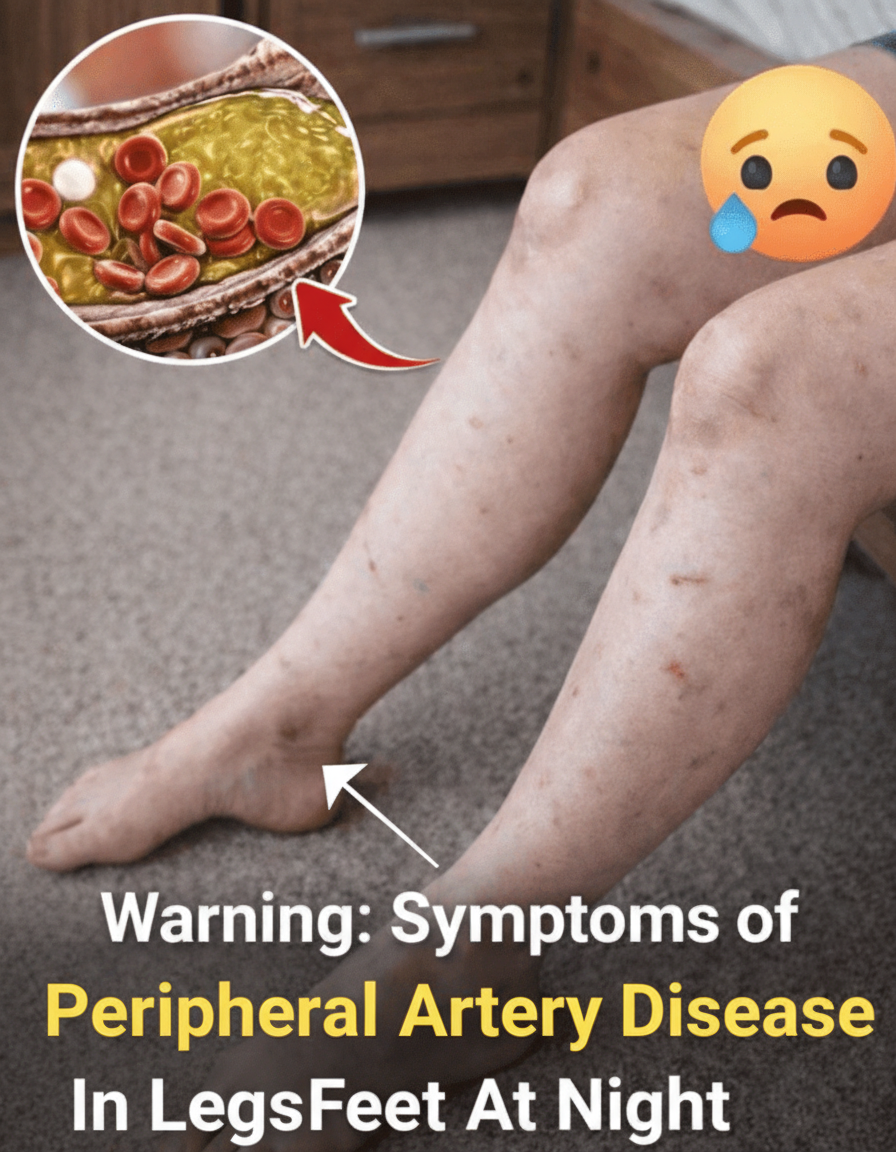
- Persistent Aching, Burning, or Cramping Pain: This deep, throbbing discomfort typically emerges after lying down and can worsen if your legs are elevated. It’s a common disruptor of restful sleep.
- Relief Upon Dangling Legs Over the Bed: A classic indicator, as noted by medical resources like Mayo Clinic, is temporary relief when allowing your legs to hang off the side of the bed. This posture uses gravity to momentarily improve blood flow to the lower limbs.
- Tingling, Numbness, or “Pins and Needles” Sensations: These uncomfortable sensations can awaken you from sleep, affecting the toes or feet. They often point to inadequate oxygen supply to peripheral nerves.
- Noticeably Cold Feet or Legs: One or both legs or feet may feel distinctly cooler to the touch than the rest of your body, even when covered by blankets.
- Restless Sensations or an Irresistible Urge to Move: Some individuals report an incessant need to shift leg positions, though this symptom can also overlap with other conditions.
Consistent occurrence of these symptoms warrants attention, especially if accompanied by other signs such as shiny or discolored skin on the legs, slow-healing sores, or diminished pulses in the feet. These indicators often develop gradually, so tracking their patterns over several weeks can be highly informative.
Why Symptoms Intensify During the Night
During daylight hours, when you are upright, gravity naturally aids blood flow to your lower body. At night, assuming a horizontal position alters this dynamic significantly:
- Blood flow becomes less efficient in navigating narrowed arteries without gravity’s assistance.
- Although the body’s demand for blood diminishes during rest, severe arterial narrowing can mean even baseline needs are not adequately met.
- Elevating your legs, a common practice for comfort, can paradoxically further restrict blood flow in compromised arteries, thereby exacerbating pain.
Studies indicate that in advanced stages of PAD, sometimes referred to as critical limb ischemia, rest pain becomes a prominent and debilitating symptom, leading to significant sleep disruption and a reduced quality of life. Consider this brief comparison of how symptoms manifest:
- Daytime (Activity-Related): Characterized by cramping in the calves, thighs, or buttocks during walking, which typically resolves quickly with rest.
- Nighttime (Rest-Related): Marked by burning or aching sensations in the feet or toes, worsening when lying flat, and often temporarily relieved by dangling the legs.
Practical Steps to Improve Leg Circulation Starting Tonight
Enhancing blood flow doesn’t require drastic measures. Instead, small, consistent lifestyle adjustments can yield significant benefits. Here’s a step-by-step guide to support better circulation:
- Implement Positional Relief Immediately: If pain awakens you, try sitting up and gently dangling your legs over the side of the bed for a few minutes. A short, gentle walk around the room can also be beneficial if tolerated.
- Mindful Leg Elevation During the Day: While some elevation can be good for swelling, avoid prolonged leg elevation when at rest if you suspect poor circulation. Instead, keep your legs level or slightly dependent (below heart level) when relaxing to encourage better blood flow.
- Establish a Gentle Walking Routine: Begin with short, supervised walks, even just 5-10 minutes, several times throughout the day. Consistent, low-impact activity is crucial for stimulating circulation and improving vascular health.
Recognizing and addressing these nighttime symptoms is a crucial step towards managing your vascular health. By understanding the signs of poor circulation and integrating these simple, actionable steps into your daily routine, you can significantly alleviate discomfort and improve your overall well-being. If you experience persistent or worsening symptoms, consult a healthcare professional for an accurate diagnosis and personalized treatment plan.