 By admin
 Aortic Aneurysm: The Silent Threat – Critical Warning Signs You Can’t Afford to Miss
Often developing without any noticeable symptoms for years, aortic aneurysms and other forms of aneurysms have earned the ominous moniker “silent killer” within medical circles. This dangerous bulge in a vital blood vessel can expand unnoticed, and its rupture constitutes a dire, life-threatening emergency with severe consequences. While many individuals only discover their condition incidentally during routine check-ups or tests for unrelated health concerns, being aware of potential early warning signs can dramatically improve outcomes by prompting timely medical intervention. Could subtle shifts in your body be signaling this concealed danger? Continue reading to explore crucial aneurysm symptoms categorized by their location and discover proactive measures to safeguard your health.
Understanding Aortic Aneurysms and Their Grave Danger
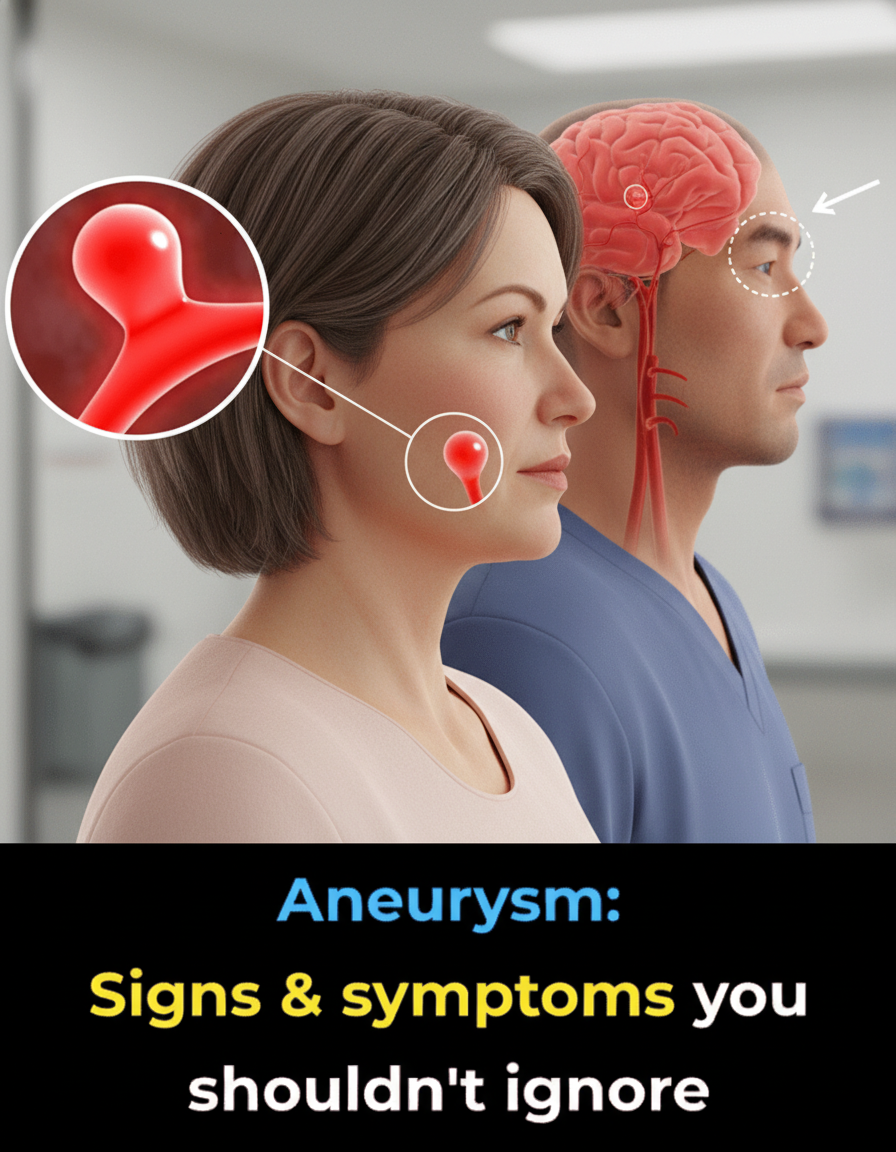
An aneurysm forms when a segment of an artery wall weakens, leading to an outward balloon-like protrusion under the force of blood pressure. The aorta, being the largest artery responsible for transporting oxygenated blood from the heart to the rest of the body, is a frequent site for this critical condition. Extensive research highlights that these arterial bulges frequently remain asymptomatic until they reach a considerable size or become unstable. Medical studies consistently point to several major risk factors, including a history of smoking, high blood pressure, increasing age, and a family history of aneurysms, with men over 65 being particularly susceptible. Moreover, the slow progression of many aneurysms means that a lack of pain offers no guarantee of safety. Should symptoms emerge, they often indicate either pressure on surrounding anatomical structures or the imminent threat of a rupture, both of which necessitate immediate medical assessment.
Critical Warning Signs by Aneurysm Location
The specific location of an aneurysm dictates the unique set of symptoms it may produce, primarily based on which adjacent tissues or organs are affected by the expanding bulge. Here is a detailed overview:
Brain Aneurysm (Cerebral Aneurysm)
While unruptured brain aneurysms might remain asymptomatic, their rupture precipitates an acute and critical medical emergency. The primary warning signs of a ruptured cerebral aneurysm include:
- A sudden, excruciatingly severe headache, frequently characterized as the “worst headache of your life” or a “thunderclap headache.”
- Localized pain behind or above one eye.
- Visual disturbances such as blurred or double vision.
- Accompanying symptoms like nausea, vomiting, or increased sensitivity to light.
- Neurological manifestations including seizures, loss of consciousness, or profound confusion.
Should any of these symptoms manifest abruptly, immediate emergency care is paramount, as rapid intervention is crucial for survival and minimizing long-term damage.
Abdominal Aortic Aneurysm (AAA) – The Most Prevalent Type
An abdominal aortic aneurysm develops in the segment of the aorta located within the lower abdomen. Potential symptoms that may arise include:
- A deep, persistent, or intense pain in the lower abdomen, which may radiate to the back, groin, or hips.
- A noticeable pulsating sensation or a palpable mass in the abdomen that synchronizes with your heartbeat. It’s important to note that this sensation can be challenging to detect, particularly in individuals with higher body weight.
- Persistent discomfort that fails to subside or change with alterations in body position.
These indicators can signify the expansion of the aneurysm or pressure on surrounding tissues. The sudden onset of severe, excruciating pain should be considered a critical sign of a serious complication, potentially a rupture.
Thoracic Aortic Aneurysm (TAA) – Located in the Chest
When an aneurysm forms in the chest region (a thoracic aortic aneurysm), the expanding bulge can exert pressure on various internal structures. Common indicators include:
- Pain experienced in the chest or upper back.
- Dysphagia, or difficulty swallowing, resulting from pressure on the esophagus.
- Hoarseness in the voice, caused by compression of the nerves leading to the vocal cords.
- Shortness of breath or a persistent cough, occasionally accompanied by blood (hemoptysis).
It is typical for these symptoms to emerge and progress gradually as the aneurysm steadily increases in size.
Peripheral Aneurysms – Affecting Leg Arteries
Though less common than aortic aneurysms, peripheral aneurysms, particularly those in the popliteal or femoral arteries of the legs, are equally significant. Their warning signs include:
- Pain, cramping, numbness, or a feeling of weakness in the affected leg.
- Diminished or absent pulses detectable in the lower limbs.
- Swelling, noticeable discoloration, or the development of non-healing sores on the legs or feet.
If left unaddressed, these aneurysms can lead to severe complications such as impaired blood flow or the formation of dangerous blood clots.
Quick Reference: Key Aneurysm Warning Signs
For a rapid overview, here is a comparative summary of the most critical aneurysm warning signs:
- Brain Aneurysm: Abrupt, severe headache (often “worst ever”), visual disturbances, nausea.
- Abdominal Aortic Aneurysm: Pulsating sensation in the abdomen, persistent back or abdominal pain.
- Thoracic Aortic Aneurysm: Chest or upper back pain, hoarseness, difficulties with breathing.
- Peripheral Aneurysm: Leg pain/numbness, weak pulses in limbs, swelling.
When to Seek Immediate Emergency Medical Attention
Certain critical situations necessitate urgent medical intervention without delay. Contact emergency services immediately if you experience:
- Sudden, excruciating pain in your abdomen, back, or chest.
- Symptoms such as excessive sweating, profound dizziness, a sudden drop in blood pressure, or fainting – all of which can be indicators of an aneurysm rupture or leakage.
- Any new, severe symptoms from the lists above, particularly if they manifest abruptly and intensely.
In such scenarios, prompt action and early intervention are absolutely crucial and can be life-saving.
Understanding Risk Factors and Recommended Screening
Several factors significantly increase an individual’s likelihood of developing an aortic aneurysm:
- Advanced age, particularly over 65.
- A history of smoking, whether current or past.
- Uncontrolled high blood pressure.
- A family history of aneurysms.
- Underlying medical conditions such as atherosclerosis (hardening of the arteries) or specific genetic predispositions.
Leading health organizations advocate for routine screening, often involving a straightforward ultrasound, for individuals within high-risk demographics. For instance, men between 65 and 75 years of age with a history of smoking are strongly advised to undergo screening. Proactive, regular check-ups are invaluable for detecting potential issues early, before they escalate into life-threatening emergencies.