 By admin
 Bed Bug Infestations: A Comprehensive Guide to Natural Control and Prevention
Few household issues are as unsettling as a bed bug infestation. These tiny nocturnal pests can disrupt sleep, cause persistent itching, and silently escalate stress levels for millions of families globally. While their presence is often met with discomfort and anxiety, the good news is that understanding bed bugs—their habits and effective, safe control methods—can swiftly restore tranquility to your living space. We’ll explore a surprisingly straightforward yet highly effective strategy that many overlook, revealed later in this essential guide.
Navigating a Bed Bug Discovery
Discovering bed bugs in your home can feel profoundly overwhelming. The constant worry about bites, the relentless itching, and the ensuing sleepless nights can significantly impact your daily life. This discomfort extends beyond physical symptoms, often generating anxiety about hygiene, family well-being, and the potential for the problem to spread. Fortunately, by adopting the right habits, utilizing natural tools, and implementing a clear, step-by-step strategy, it is entirely possible to drastically reduce existing infestations and regain control, all while safeguarding your health and home environment.
Understanding Bed Bugs: Masters of Disguise and Dispersal
Bed bugs are minute, flat insects primarily recognized for feeding on human blood, typically under the cloak of night. It’s crucial to understand that their presence is not an indicator of poor cleanliness; they can thrive in immaculate luxury hotels just as readily as in more modest residences. Their remarkable ability to spread stems from one key characteristic: they are exceptional hitchhikers.
Common Entry Points for Bed Bugs
These resilient pests often find their way into homes through various unsuspecting channels:
- Travel Luggage: After trips, suitcases can inadvertently carry these pests.
- Secondhand Items: Used furniture or mattresses frequently harbor hidden bed bugs.
- Public Spaces: Clothing or bags carried from public areas can transport them.
- Shared Buildings: They can easily migrate between adjacent apartments in multi-unit dwellings.
Once inside, bed bugs skillfully conceal themselves in tight crevices—think mattress seams, bed frames, baseboards, and even electrical outlets. Their survival prowess is further amplified by their ability to subsist for months without a blood meal, making them particularly challenging to eradicate completely without persistent effort.
Spotting the Signs: Early Detection is Key
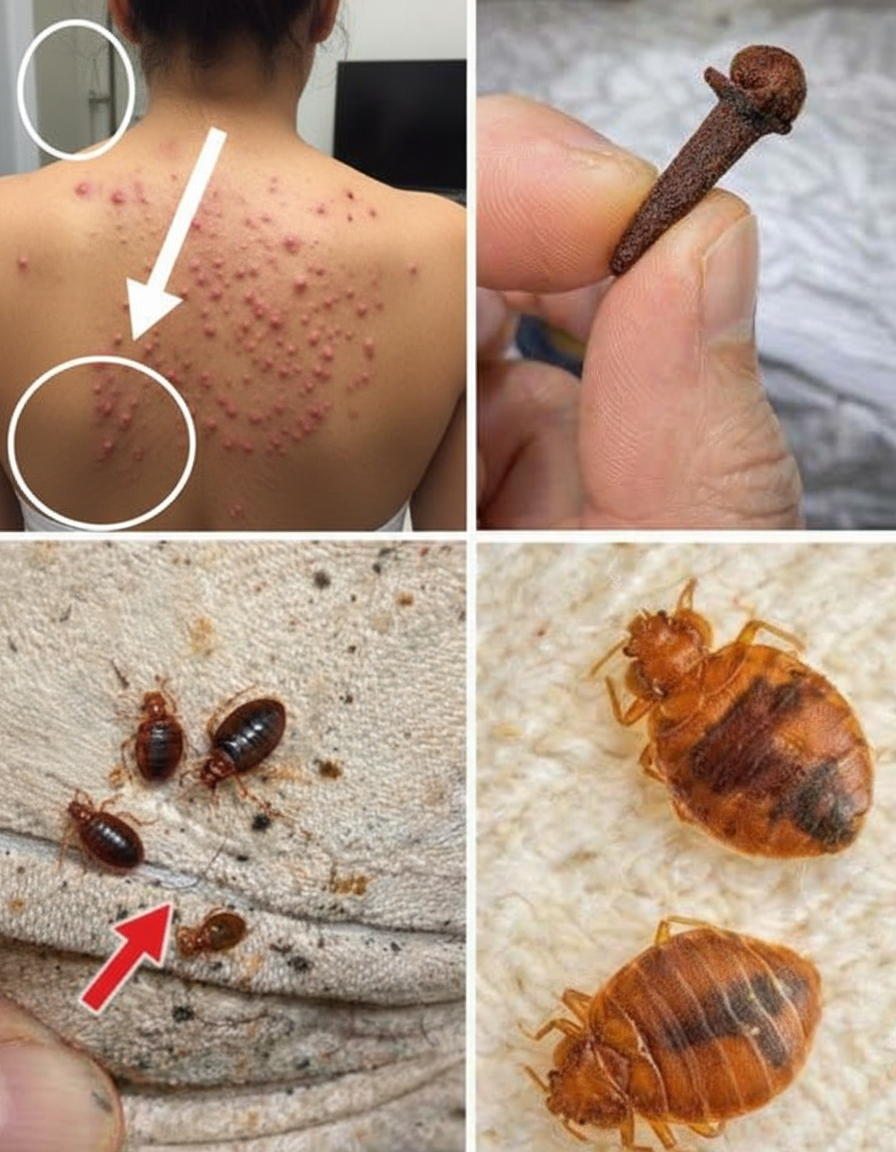
Timely identification of a bed bug infestation makes a substantial difference in its management. Many individuals initially misinterpret the tell-tale signs, often confusing them with allergic reactions or mosquito bites. Be vigilant for these indicators:
- Distinctive Bites: Small, red, itchy bites frequently appearing in a linear pattern or clustered grouping on exposed skin.
- Blood Stains: Tiny spots of blood on your sheets or pillowcases, resulting from feeding or crushed bugs.
- Fecal Spots: Minute, dark, rust-colored specks (bed bug droppings) often found near mattress seams or on bedding.
- Unusual Odor: In cases of heavy infestation, a musty, sweet, or cilantro-like odor may be noticeable in the affected room.
The unfortunate reality is that by the time bites become a regular occurrence, the bed bug population is typically already well-established.
The Appeal of Natural Bed Bug Control Methods
While chemical insecticides are readily available for pest management, they are not always the preferred or safest choice for many households. This is especially true in environments shared with children, pets, or individuals with chemical sensitivities. Extensive research has shown that the indiscriminate or excessive use of chemical sprays can lead to several undesirable outcomes:
- Skin and Respiratory Irritation: Potentially causing discomfort and health issues.
- Lingering Residues: Leaving behind unwanted chemical traces on bedding and surfaces.
- Pest Resistance: Contributing to the development of insecticide-resistant bed bug populations over time.
Consequently, an increasing number of homeowners are exploring natural, mechanical, and physical methods as integral components of an integrated bed bug management strategy. Among these, one particularly simple yet effective option stands out.
Diatomaceous Earth: A Natural Ally in Bed Bug Eradication
Diatomaceous earth (DE) is a finely milled powder derived from the fossilized remains of microscopic aquatic algae known as diatoms. This natural substance has been a trusted tool in pest control for decades due to its unique physical mode of action.
How Diatomaceous Earth Works Against Bed Bugs (In Simple Terms)
When bed bugs come into contact with DE, its microscopic, razor-sharp particles act mechanically:
- The abrasive powder damages the protective waxy outer layer (exoskeleton) of the insects.
- This compromise leads to gradual dehydration as the bed bug loses vital moisture.
- Ultimately, the bed bugs slowly die after sufficient contact with the powder.
Crucially, food-grade diatomaceous earth is widely regarded as a low-risk option for household use when applied correctly. Its appeal is further enhanced by the fact that it does not rely on harsh chemicals or noxious fumes, making it an excellent choice for long-term bed bug prevention and control strategies.
Step-by-Step Guide: Implementing Diatomaceous Earth for Bed Bug Control
For optimal results, this method should be consistently combined with thorough cleaning and diligent monitoring practices.
What You’ll Need:
- Food-grade diatomaceous earth
- A powerful vacuum cleaner with a hose attachment
- A small brush or a specialized powder applicator (e.g., a puffer bottle)
- Access to laundry facilities with hot water
Step 1: Thorough Room Preparation
This initial phase is critical for dislodging and eliminating many visible insects and eggs.
- Wash all bedding, curtains, and any washable items from the affected area at 60°C (140°F) or higher.
- Dry these items on the highest heat setting for a minimum of 30 minutes.
- Vacuum your mattress, bed frame, and the surrounding floor area meticulously, paying close attention to seams, crevices, and corners.
Step 2: Careful Application of Diatomaceous Earth
Precision is key for effectiveness and safety.
- Lightly dust a thin layer of DE along mattress seams, within bed frame joints, and into any visible cracks or crevices.
- Apply the powder along baseboards and into room corners, particularly around the bed area.
- Remember, a thin, even layer is far more effective than a thick pile. Too much can deter bed bugs from crossing the treated area.
Here’s the ingenious part: bed bugs will walk through these treated zones, picking up the powder on their bodies and inadvertently carrying it back to their hidden nests and fellow pests.
Step 3: Allow Sufficient Time for Action
Give the DE ample opportunity to work its magic.
- Leave the powder undisturbed in place for a period of 12 to 48 hours.
- During this time, minimize activity in the treated room.
- Crucially, avoid sleeping directly on any surfaces that have been treated with DE.
Step 4: Safe and Thorough Clean-Up
After the waiting period, it’s time to clean up.
- Vacuum all treated areas thoroughly, ensuring all visible powder is removed.
- Immediately dispose of the vacuum cleaner contents in a sealed plastic bag and place it in an outdoor trash bin to prevent re-entry of any captured pests.
- Repeat this entire process weekly if signs of bed bugs persist. Consistency and diligence are paramount for successful eradication.
Sustaining a Bed Bug-Free Home: Preventative Habits
Even the most effective bed bug control methods yield the best long-term results when complemented by consistent daily and weekly habits. Proactive measures are essential for preventing re-infestation.
At Home: Regular Maintenance
- Vacuum Regularly: Make it a habit to vacuum mattresses, bed frames, and surrounding carpets frequently.
- Declutter Sleeping Areas: Reduce clutter near beds to eliminate potential hiding spots for pests.
- Monthly Inspections: Periodically inspect mattress seams, bed frames, and baseboards for any early signs of bed bug activity.
After Traveling: Vigilant Practices
- Isolate Luggage: Upon returning home, keep suitcases off the bed and elevated on a luggage rack or hard surface.
- Immediate Laundry: Wash all travel clothes immediately in hot water, even if they weren’t worn.
- Store Suitcases Safely: Store empty suitcases away from bedrooms, ideally in a garage or sealed in plastic bags.
By integrating these practical tips and leveraging the power of natural solutions like diatomaceous earth, you can effectively manage and prevent bed bug infestations, ensuring a peaceful and healthy home environment for you and your family.