 By admin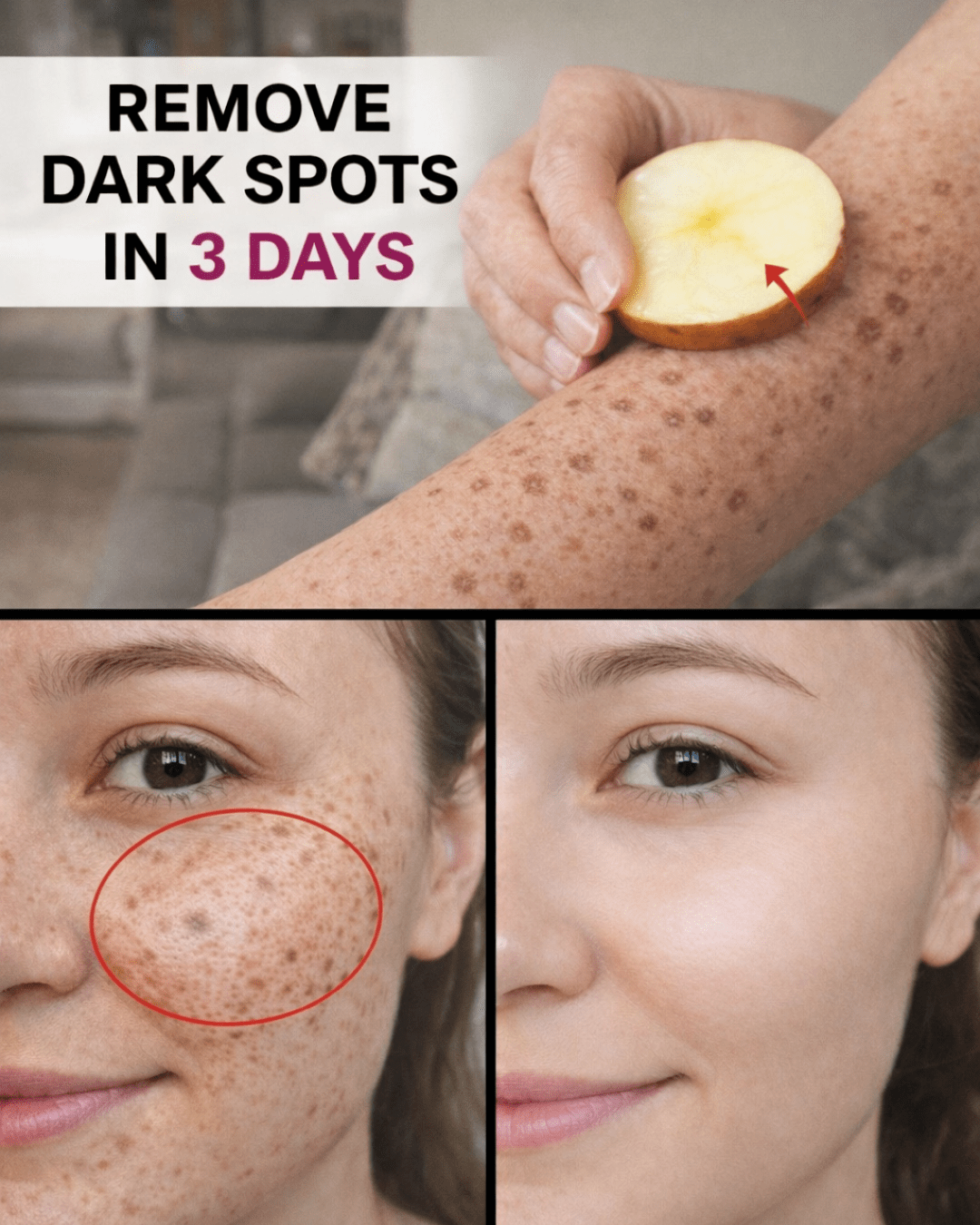
Many people over 40 notice small, bothersome skin growths like moles, warts, skin tags, or age spots appearing more frequently. These benign developments can feel frustrating, especially when they affect visible areas or catch on clothing, leading to self-consciousness in everyday situations like wearing certain clothes or appearing on camera. While professional treatments exist, some individuals explore gentler, low-cost options using common kitchen items, drawn by stories of gradual improvement without invasive procedures.
The appeal lies in accessibility and minimal expense, but results vary widely among people. Some report positive changes with consistent use of natural ingredients, while scientific support remains limited and anecdotal in many cases. Research suggests certain approaches may help with specific growths like warts, though evidence is mixed and not conclusive for all types. Always prioritize safety—consult a dermatologist first, especially for any changing or suspicious spots.

Why These Skin Growths Become More Common After 40
As skin ages, changes in cell turnover, friction in body folds, and factors like weight fluctuations or insulin resistance contribute to these developments. Studies indicate that about 50-60% of adults develop at least one skin tag during their lifetime, with prevalence rising significantly after age 40. Common warts, caused by HPV, can persist or appear in adulthood, while age spots (lentigines) result from cumulative sun exposure. Moles may evolve slowly over time.
These growths are typically harmless but can impact confidence. The key is distinguishing benign ones from those needing medical attention—any growth that changes in size, shape, color, or bleeds should prompt a professional check.

Evidence-Based Insights on Natural Approaches
Limited studies explore household ingredients for benign skin growths, primarily warts. For example:
- Duct tape occlusion has shown promise in some trials for common warts, with one study reporting higher resolution rates compared to cryotherapy in certain groups, though results vary across research.
- Tea tree oil demonstrates antiviral properties in small case reports and trials, with some participants experiencing wart clearance after consistent application.
- Garlic extracts have been linked to wart resolution in placebo-controlled studies, attributed to compounds like allicin.
- Apple cider vinegar appears in anecdotal reports and a few small comparisons, sometimes showing similar outcomes to standard treatments for warts, but irritation is common.
For skin tags, moles, and age spots, evidence is weaker—mostly traditional use or limited observations, with risks of irritation outweighing unproven benefits in many reviews. Dermatologists generally advise against self-removal attempts due to potential scarring, infection, or masking serious issues.
But that’s not all—here’s what stands out when approaching these gently.

Safe Ways to Explore Gentle Kitchen Options (With Caution)
If considering supportive care for benign growths after professional confirmation, focus on low-risk habits. Always patch-test on a small area first, dilute where needed, and stop if redness, burning, or worsening occurs.
- For Warts (e.g., Common or Plantar Types)
- Duct tape method: Cover the wart with a piece of duct tape for 6 days, remove, soak in warm water, gently file dead skin, and repeat. Some evidence supports this as a simple option.
- Diluted tea tree oil: Mix with a carrier oil and dab daily—small studies note potential benefits from its antiviral effects.
- Crushed fresh garlic: Apply briefly under a bandage (protect surrounding skin with petroleum jelly to avoid burns)—research shows antiviral activity in some cases.
- For Skin Tags
- Gentle drying approaches like banana peel inner side or diluted oils are popular anecdotally but lack strong backing. Focus on reducing friction (e.g., loose clothing) to prevent irritation.
- For Age Spots
- Natural brighteners like lemon juice (diluted) may lighten mildly over time due to citric acid, but sun protection is far more effective. Evidence favors consistent sunscreen and vitamin C products.
- General Support
- Raw honey: Apply post-treatment for soothing and healing support—its properties aid minor skin recovery.
- Aloe vera: Use pure gel to calm any treated area and promote moisture.
A quick comparison of considerations:
- Professional Removal — Quick, precise, low scarring risk with expert care.
- Gentle Home Support — Low cost, convenient, but slower and variable results; higher irritation potential if misused.
- Do Nothing — Safe for truly benign growths; many resolve or stabilize naturally.

Common Mistakes to Avoid for Better Outcomes
Many people overuse strong applications, leading to unnecessary irritation or burns—always dilute acids and limit contact time. Skipping a patch test or ignoring changes can worsen issues. The biggest error? Assuming all growths are identical—professional evaluation rules out concerns like skin cancer.
Mid-article reflection: Which growth concerns you most right now? Noting your starting point can help track any gradual shifts.
Realistic Expectations and Next Steps
Consistency matters more than speed—supportive approaches, if suitable, often take weeks to months. Combine with healthy habits: sun protection, balanced diet, and gentle skincare to support overall skin health.
Thousands manage these changes naturally while staying safe. If nothing else, exploring gentle options empowers informed choices.
FAQ
1. Are home remedies for skin growths safe for everyone?
Not always—those with sensitive skin, diabetes, or poor circulation face higher irritation risks. Consult a doctor first.
2. How long might natural approaches take to show changes?
Varies by growth and consistency—warts may respond in weeks per some studies; skin tags or spots often need longer or show minimal shift.
3. When should I see a dermatologist instead?
Immediately for any changing, bleeding, or painful growth, or if home efforts cause issues—early checks provide peace of mind.
Disclaimer: This article is for informational purposes only and does not constitute medical advice. These suggestions are not proven cures, and results vary. Always consult a qualified healthcare professional or dermatologist before trying any remedy, especially for new or changing skin growths, to rule out serious conditions like skin cancer. Perform a patch test, discontinue if irritation occurs, and avoid use on broken skin, face, or near eyes.