 By admin
 9 Critical Cancer Warning Signs You Should Never Ignore
It’s common to experience minor health fluctuations and dismiss them as everyday stress, a busy schedule, or simply the effects of aging. Perhaps you’ve woken up feeling unusually drained despite adequate sleep, or you’ve noticed a new, small lump that wasn’t there before. While these changes might seem insignificant at first, they can, in some instances, be subtle indicators of a more serious underlying issue: cancer.
Many individuals share these initial feelings of dismissal when early warning signs of cancer begin to manifest. However, delaying medical attention when such symptoms arise can profoundly impact health outcomes. Early detection is a cornerstone of successful cancer management, significantly improving the chances for effective treatment and recovery. Being informed about these crucial warning signs empowers you to seek timely medical advice, acting sooner rather than later.
This comprehensive guide will walk you through 9 of the most important cancer warning signs that medical experts urge everyone to be vigilant about. Recognizing these signals can be a vital step toward safeguarding your health.
🚨 1. Unexplained Weight Loss
A sudden and significant drop in weight—typically 10 pounds or more—without any intentional changes to your diet or exercise regimen, can be a perplexing and concerning symptom. While many might initially welcome such a change, it is a classic red flag for various cancers. Malignancies like pancreatic, stomach, esophageal, or lung cancer can trigger unintentional weight loss by disrupting the body’s metabolism or diminishing appetite. The American Cancer Society emphasizes that unexplained weight loss warrants immediate medical evaluation. If you’ve experienced a loss of 5–10% or more of your body weight within a short timeframe without a clear reason, it’s crucial to consult your doctor promptly to investigate these potential cancer warning signs.
🚨 2. Persistent, Extreme Fatigue
Beyond typical tiredness, persistent and profound fatigue that doesn’t alleviate with rest is a significant indicator that shouldn’t be overlooked. This deep-seated exhaustion is frequently associated with certain cancers, including leukemia, colon cancer, or lymphoma. It often stems from conditions like anemia or the body’s energy reserves being redirected to combat abnormal cell growth. The Mayo Clinic advises that any fatigue unresponsive to rest should prompt a medical check-up. While it’s easy to attribute lingering tiredness to demanding work schedules or advancing age, when this exhaustion persists, it could signal one of the crucial cancer warning signs that requires thorough investigation.
🚨 3. A Cough or Hoarseness That Lingers
A cough that persists for several weeks, especially if accompanied by blood, or ongoing hoarseness, are symptoms that demand attention. A chronic cough is a common presentation of lung cancer, while persistent hoarseness might indicate issues with the larynx or thyroid gland. It’s imperative for both smokers and non-smokers to be aware of these symptoms. Although allergies or acid reflux are frequent culprits, if a cough or hoarseness extends beyond 2–3 weeks, a medical assessment is essential to rule out serious underlying conditions that could be cancer warning signs.
🚨 4. Noticeable Skin Changes
Visible alterations to your skin can serve as important cancer warning signs. These include the appearance of new moles, changes in the size, shape, or color of existing moles, sores that fail to heal, or a yellowing of the skin and eyes (jaundice). Melanoma, a serious form of skin cancer, often adheres to the ABCDE rule: Asymmetry, irregular Border, varied Color, Diameter larger than 6mm, and Evolving shape or size. Non-melanoma skin cancers may manifest as persistent lesions that bleed or crust over. Regular self-skin examinations are vital for detecting these cancer warning signs early, when treatment outcomes are most favorable.
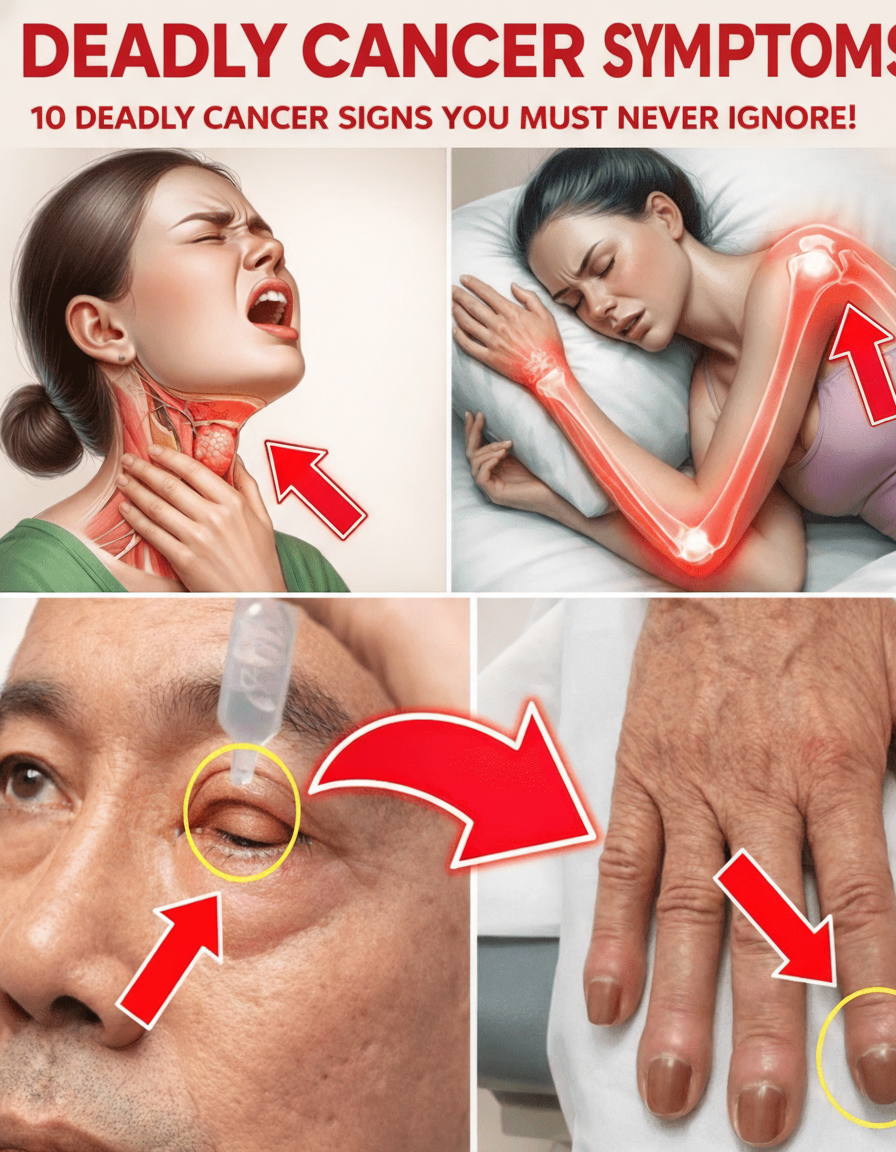
🚨 5. Unusual Bleeding or Unexplained Bruising
Any instance of abnormal bleeding or bruising should be considered a red flag. This includes blood present in stool or urine, coughing up blood, or unexpected vaginal bleeding, particularly after menopause. Such occurrences can point towards colorectal, bladder, kidney, or gynecological cancers. Additionally, easy bruising that appears without a clear injury could be a sign of leukemia. While less serious conditions can often explain bleeding, any unexplained or persistent bleeding is among the cancer warning signs that necessitate immediate medical evaluation.
🚨 6. New Lumps or Swelling
Discovering a new lump in areas such as the breast, testicle, neck, or underarm, or experiencing persistent swelling of lymph nodes, constitutes a significant cancer warning sign. For women, and importantly, for men who can also develop breast cancer, changes like skin dimpling or nipple discharge should also be noted. Lymphoma, for example, often presents with painless, enlarged lymph nodes. While the majority of lumps are benign, only a qualified healthcare professional can accurately determine if a new mass is one of the concerning cancer warning signs.
🚨 7. Persistent Pain Without a Clear Cause
Ongoing pain in bones, the abdomen, back, or headaches that don’t respond to typical remedies should not be dismissed. Cancer can induce pain by pressing on nerves, organs, or bones. Bone pain, for instance, might indicate that cancer has spread from its primary site, while severe, unremitting headaches could be associated with brain tumors. Pain that lingers, intensifies, and lacks an obvious injury or explanation should always be investigated as a potential cancer warning sign.
🚨 8. Changes in Bowel or Bladder Habits
Significant and long-lasting alterations in your bowel or bladder patterns are important cancer warning signs. These can include chronic constipation or diarrhea, blood in the stool, stools that appear unusually narrow, or an increased frequency and urgency of urination. Colorectal cancer frequently causes changes in bowel habits, while prostate or bladder cancer can impact urinary patterns. Although diet and age are common factors influencing these functions, persistent and unexplained changes are recognized by leading health organizations as critical cancer warning signs.
🚨 9. Recurring Fevers or Drenching Night Sweats
Frequent fevers that occur without any apparent infection, or night sweats so severe they drench your bedding, are symptoms that warrant medical attention. These can be general signs of an underlying illness, including certain cancers like lymphomas or leukemias. When your body is fighting cancer, it can release chemicals that cause fever. Similarly, drenching night sweats can be a common symptom in some types of cancer. If these symptoms are recurrent and unexplained, they should prompt a discussion with your healthcare provider to investigate potential cancer warning signs.