 By admin
 Waking up with a parched, uncomfortable sensation in your mouth can transform a peaceful night’s sleep into a restless experience. That unpleasant sticky, sandpaper-like feeling not only disturbs your rest but can also make swallowing difficult and raise concerns about your oral health or other underlying issues. The good news is that experiencing dry mouth at night is remarkably common and often linked to everyday habits or physiological changes that can be effectively managed. In this comprehensive guide, we’ll explore the most frequent reasons behind waking up with dry mouth at night and provide gentle, practical strategies to alleviate the discomfort. Stay with us until the end for simple bedtime adjustments that many individuals find genuinely transformative. 😴
Natural Decline in Saliva Production During Sleep and with Age
During sleep, your body naturally reduces its saliva flow – this is a normal physiological process that occurs when you rest. However, nighttime dry mouth becomes more pronounced as we age, largely because overall saliva production gradually diminishes. Research indicates that after the age of 60, resting saliva levels can decrease significantly, making this nocturnal dryness a more common occurrence. If you’re noticing an increase in instances of dry mouth at night compared to a few years ago, age-related changes could certainly be a contributing factor. The repeated frustration of waking up thirsty can indeed impact your energy levels the following day. The silver lining here is that understanding this natural process helps you focus on supportive habits rather than unnecessary worry.
Mouth Breathing, Snoring, and Sleep Apnea
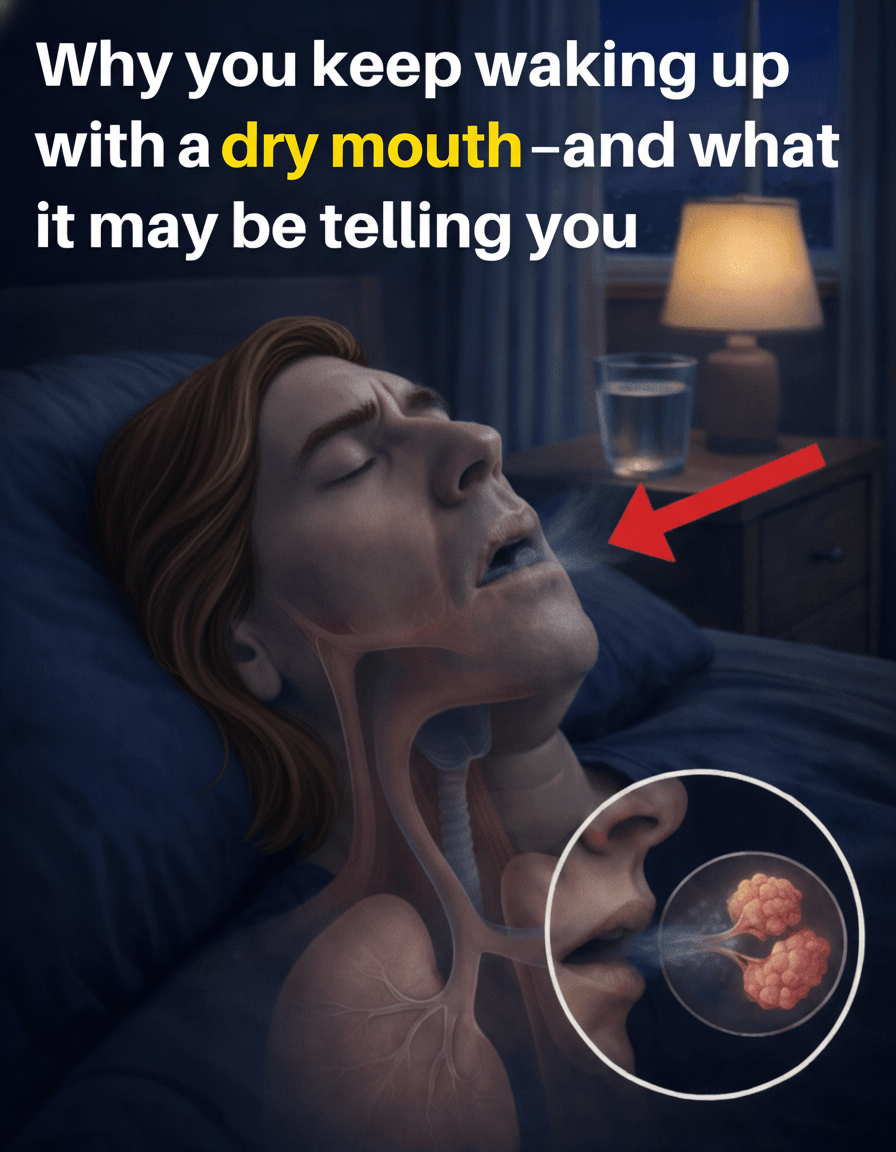
One of the most frequently overlooked culprits for waking up with dry mouth is simply breathing through your mouth instead of your nose while you sleep. The continuous airflow over your oral tissues rapidly evaporates moisture. Conditions like snoring and obstructive sleep apnea often compel mouth breathing, exacerbating this cycle. Many individuals who experience nighttime dry mouth also report loud snoring, persistent daytime fatigue, or morning headaches. Addressing nasal congestion or consulting a healthcare professional about potential sleep disorders can yield significant improvements. Transitioning to nasal breathing at night frequently offers noticeable relief from dry mouth symptoms within a matter of days.
Medication-Induced Dry Mouth (Xerostomia)
Hundreds of commonly prescribed medications list dry mouth, medically known as xerostomia, as a potential side effect. Drugs used for allergies, high blood pressure, anxiety, depression, pain management, and overactive bladder are among the most common offenders. These pharmaceuticals can interfere with nerve signals that prompt salivary glands to produce moisture, leading to that parched sensation when you wake up with dry mouth. If your dryness began around the time you started a new prescription, it’s definitely worth discussing with your doctor or pharmacist. Never adjust or discontinue medication without professional guidance, but minor modifications – such as altering dose timing or incorporating moisture-boosting routines – can often help alleviate persistent dry mouth at night.
Dehydration and Evening Lifestyle Choices
Sometimes, the reason for waking up with dry mouth at night is as straightforward as insufficient fluid intake throughout the day or consuming dehydrating substances in the evening. Caffeine, alcohol, and even certain spicy or salty foods act as diuretics, drawing moisture away from your body. Alcohol, in particular, also relaxes throat muscles, which can intensify snoring and mouth breathing. Reducing your intake of these substances in the hours before bedtime and consistently sipping water throughout the day can significantly support better overnight hydration. Many people observe a notable reduction in waking up with dry mouth after implementing these simple evening adjustments.
Autoimmune Conditions Such as Sjögren’s Syndrome
In certain instances, persistent waking up with dry mouth can indicate an underlying autoimmune disorder. Sjögren’s syndrome, for example, causes the immune system to mistakenly target and impair moisture-producing glands, resulting in chronic dryness not only in the mouth but also in the eyes. Symptoms often intensify at night, making restful sleep even more challenging. If your experience of dry mouth at night is accompanied by persistently dry eyes, joint discomfort, or unexplained fatigue, it is crucial to consult a healthcare provider. Early diagnosis and intervention can lead to strategies that meaningfully improve comfort and protect your long-term health.
Diabetes and Other Systemic Health Conditions
Unmanaged or undiagnosed diabetes can contribute to waking up with dry mouth due to elevated blood sugar levels that impact fluid balance and nerve function in the salivary glands. Other systemic health issues, including thyroid disorders or neurological changes, may also play a role. If you have a known chronic condition and have recently begun experiencing dry mouth at night more frequently, sharing this detail with your medical team can help guide the appropriate next steps for diagnosis and management.
Smoking and Tobacco Use
Smoking and the use of other tobacco products are significant contributors to dry mouth at night. The chemicals in tobacco smoke irritate the oral tissues and can reduce saliva flow, leading to chronic dryness. Furthermore, tobacco use often exacerbates other conditions like gum disease and can worsen sleep apnea, indirectly increasing mouth breathing. Quitting smoking or reducing tobacco consumption is one of the most effective steps you can take to alleviate persistent nighttime dry mouth and improve overall oral and systemic health.
Gastroesophageal Reflux Disease (GERD)
Gastroesophageal Reflux Disease, commonly known as GERD or acid reflux, can also be a surprising cause of waking up with dry mouth. When stomach acid flows back into the esophagus and sometimes reaches the throat, it can irritate the delicate mucous membranes, leading to a sensation of dryness and a sore throat. This often feels worse at night, especially when lying down, as gravity no longer helps keep stomach contents down. If you experience heartburn, regurgitation, or a persistent cough along with dry mouth at night, discussing GERD with your doctor is advisable.
Practical Strategies to Find Relief from Nighttime Dry Mouth
Experiencing dry mouth at night can be disruptive, but many effective strategies can help manage and alleviate the symptoms. Here are some actionable tips:
- Optimize Hydration: Sip water regularly throughout the day, but avoid excessive drinking right before bed to prevent nighttime bathroom trips. Keep a glass of water on your nightstand for sips if you wake up parched.
- Use a Humidifier: Placing a cool-mist humidifier in your bedroom can add moisture to the air, reducing the evaporative effect on your oral tissues, especially if you tend to breathe through your mouth.
- Practice Nasal Breathing: Consciously try to breathe through your nose during the day. If nasal congestion is an issue, consider saline sprays or consult a doctor about allergy management. Devices like mouth tape (use with caution and professional advice) can help encourage nasal breathing at night.
- Review Medications: Discuss your medications with your doctor or pharmacist. They might suggest alternative drugs, adjusting dosages, or changing the timing of your doses to minimize side effects like medication-induced dry mouth.
- Stimulate Saliva Production: Chew sugar-free gum or suck on sugar-free candies before bed. These can stimulate saliva flow. Products containing xylitol are particularly beneficial for oral health.
- Try Saliva Substitutes: Over-the-counter artificial saliva sprays, gels, or lozenges can provide temporary relief and coat your mouth with a protective layer of moisture.
- Avoid Irritants: Limit or eliminate alcohol, caffeine, and tobacco, especially in the evening. These substances contribute to dehydration and can worsen dry mouth symptoms.
- Maintain Excellent Oral Hygiene: Dry mouth increases the risk of tooth decay and gum disease. Brush and floss regularly, and consider using fluoride toothpaste and mouthwash specifically designed for dry mouth.
- Elevate Your Head: If GERD or snoring is a factor, elevating the head of your bed slightly can sometimes reduce symptoms.
- Consult a Healthcare Professional: If nighttime dry mouth persists despite home remedies, or if it’s accompanied by other concerning symptoms, seek medical advice to rule out underlying health conditions and explore prescription treatments.
By understanding the common causes and implementing these practical strategies, you can significantly reduce the discomfort of waking up with dry mouth and enjoy more restorative sleep. Your journey to a more comfortable night begins with these informed steps.