 By admin
 Navigating the complexities of blood sugar management is a common concern for many, often marked by energy dips, mood swings, and dietary uncertainty. In the quest for natural, straightforward ways to support glucose stability without resorting to complicated meal plans, a humble kitchen staple emerges: the red onion (also known as purple onion). Beyond its vibrant color and pungent flavor that elevates countless dishes, this member of the Allium family is gaining recognition for its potential role in metabolic well-being. What makes red onions particularly intriguing is not just their everyday culinary versatility, but also how specific preparations might amplify their inherent benefits for maintaining balanced blood sugar. This article delves into the scientific evidence behind these compelling vegetables and provides a simple, actionable method to integrate them into your daily diet.
What Makes Red Onions a Nutritional Powerhouse?
Red onions, part of the extensive Allium genus, owe their striking hue to anthocyanins—potent plant pigments celebrated for their robust antioxidant capabilities. But their nutritional profile extends far beyond just color. These vibrant bulbs are also a rich source of quercetin, a powerful flavonoid extensively investigated for its anti-inflammatory effects and its potential influence on various metabolic pathways.
Scientific inquiry, encompassing both animal studies and preliminary human observations, has shed light on how key compounds found in onions, particularly quercetin and organosulfur elements, may positively interact with glucose metabolism. For example, research indicates that certain onion constituents possess the ability to inhibit specific enzymes crucial for carbohydrate digestion. This mechanism could lead to a more gradual absorption of glucose into the bloodstream from the digestive tract.
Furthermore, quercetin has shown promise in enhancing insulin sensitivity within laboratory and animal models, a critical factor in effective blood sugar regulation. Organosulfur compounds, another class of beneficial elements in red onions, have been associated with measurable, albeit modest, improvements in fasting glucose levels across different studies. The collective action of these antioxidants also plays a vital role in mitigating oxidative stress, a common precursor to and consequence of dysregulated blood sugar. Essentially, red onions offer a synergistic blend of nutrients that make them a valuable addition not just for flavor, but for comprehensive metabolic support and overall well-being.
Scientific Insights: Red Onions and Glycemic Control
The scientific community has shown considerable interest in the impact of onions on glucose regulation, with a body of research predominantly comprising animal studies and a growing number of human observations. Animal models have yielded encouraging findings; for instance, diabetic rodents administered onion powder or specific extracts often exhibited significant reductions in fasting blood glucose and, in some cases, enhanced lipid profiles. A notable study demonstrated that onion extract, when integrated with conventional treatments, contributed to substantial glucose-lowering effects in rats.
While human trials are generally less extensive and typically involve smaller participant groups, they offer compelling preliminary insights. These studies suggest that including raw or cooked onions in one’s diet could play a role in moderating post-meal glucose spikes. Earlier clinical observations have also indicated a correlation between consuming substantial quantities of onion and lower blood sugar readings. More contemporary reviews further underscore quercetin’s potential to modulate enzyme activities that influence the absorption and utilization of sugar within the body.
It is crucial to emphasize that the existing evidence positions red onions as a supportive dietary component, offering beneficial contributions rather than acting as a standalone cure for blood sugar issues. Their efficacy is most pronounced when consumed as part of a holistic, balanced eating plan that prioritizes fiber-rich foods, mindful portion control, and consistent physical activity.
To better understand the distinct advantages, here’s a brief overview of common onion varieties and their key nutritional highlights:
- Yellow/White Onions: Characterized by higher levels of organosulfur compounds; typically preferred for cooked dishes due to their strong flavor.
- Red/Purple Onions: Particularly rich in both quercetin and anthocyanins; their milder raw taste makes them excellent for fresh applications like salads and garnishes.
- Shallots: Offer a concentrated dose of nutrients within a smaller, more delicate package.
Among these, red and purple varieties frequently stand out for their superior antioxidant capacity, which likely contributes to their prominence in discussions surrounding natural health and dietary support for blood sugar.
A Simple & Traditional Red Onion Preparation to Boost Your Diet
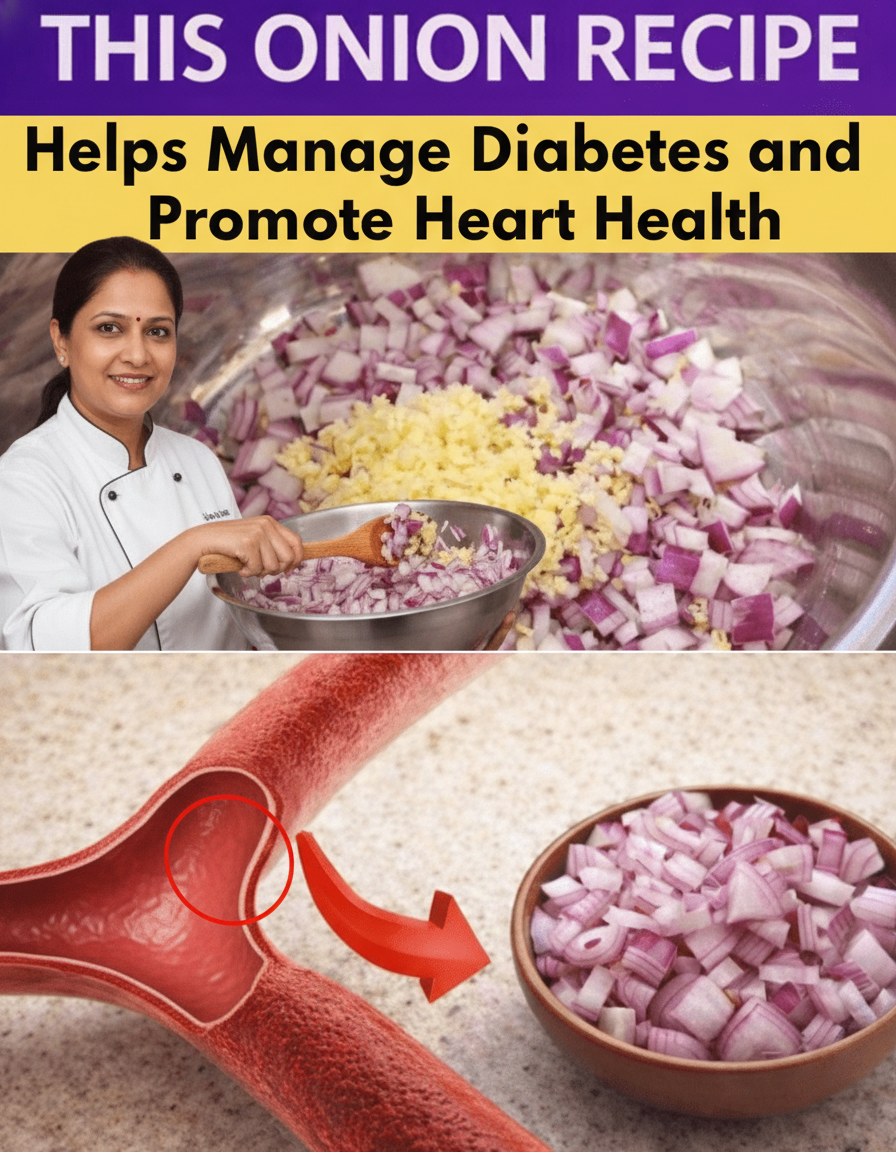
One of the most accessible and effective ways to incorporate red onions into your routine, drawing inspiration from traditional culinary practices, is through a fresh, lightly seasoned preparation. This method particularly highlights their raw nutritional benefits. It’s important to remember this is a wholesome dietary enhancement, not a miraculous remedy, designed to help you tap into the vegetable’s inherent health-promoting properties.
Ingredients (Serves 2-3 as a versatile side or topping):
- 2 medium red onions, finely diced
- 1-inch piece of fresh ginger, grated
- A small pinch of sea salt (optional, for flavor enhancement and to mellow the onion’s pungency)
- Optional: A squeeze of fresh lemon juice, to add brightness and a boost of Vitamin C
Step-by-Step Guide:
- Begin by peeling and very finely chopping the red onions. Using a sharp knife will help achieve clean cuts and minimize eye irritation.
- Grate the fresh ginger directly over the chopped onions in a mixing bowl.
- Combine the onions and ginger thoroughly. If desired, add a small pinch of salt; this can help draw out the onion’s natural juices and soften its sharp edge.
- Allow the mixture to rest at room temperature for 10-15 minutes. This brief resting period facilitates the release and activation of beneficial compounds.
- Serve this vibrant mix as a flavorful topping for salads, grilled meats, fish, or as a fresh accompaniment to any meal.