 By admin
 Nourishing Your Heart: 15 Foods to Support Cardiovascular Health and Reduce Stroke Risk
Stroke stands as a significant global cause of disability, frequently linked to underlying conditions such as elevated blood pressure, systemic inflammation, and compromised vascular integrity. Many individuals understandably worry about their long-term health, particularly as daily habits subtly contribute to these risk factors over time. The encouraging news is that strategic dietary choices can play a pivotal role in fostering robust cardiovascular health.
Extensive research underscores the importance of specific nutrient-dense foods, particularly those abundant in magnesium, potassium, fiber, and beneficial fats. These align with dietary patterns consistently shown in studies to correlate with a decreased likelihood of stroke-related risk factors. What’s particularly compelling is the emerging focus on an often-underestimated mineral: magnesium. Multiple large-scale reviews suggest a promising association between increased dietary magnesium intake and a lower incidence of stroke.
The Vital Role of Magnesium in Overall Well-being
Magnesium is indispensable, participating in hundreds of biochemical reactions throughout the body. Its functions range from maintaining proper muscle and nerve activity to assisting in the regulation of blood pressure and blood glucose levels. Despite its critical importance, a considerable portion of the adult population doesn’t meet recommended daily intakes, with various surveys pointing to widespread suboptimal magnesium levels in contemporary diets.
Numerous studies, including comprehensive meta-analyses of prospective cohorts, have investigated the connection between dietary magnesium and various health outcomes. For instance, aggregated data from vast populations consistently indicate that greater magnesium consumption from whole food sources is associated with a discernibly lower risk of stroke. This benefit often demonstrates a dose-dependent relationship, with some reviews suggesting a reduction of approximately 2-8% for every 100 mg daily increase. Crucially, these positive effects appear to be intrinsically linked to overall whole-food eating patterns rather than relying solely on isolated supplements. Foods rich in magnesium frequently deliver an array of other supportive nutrients like fiber, antioxidants, and potassium, collectively contributing to broader heart-protective benefits. However, the scope of heart-healthy nutrition extends further, encompassing other foods that offer advantages through omega-3s, nitrates, flavonoids, and more.
Dietary Strategies for Stroke Prevention
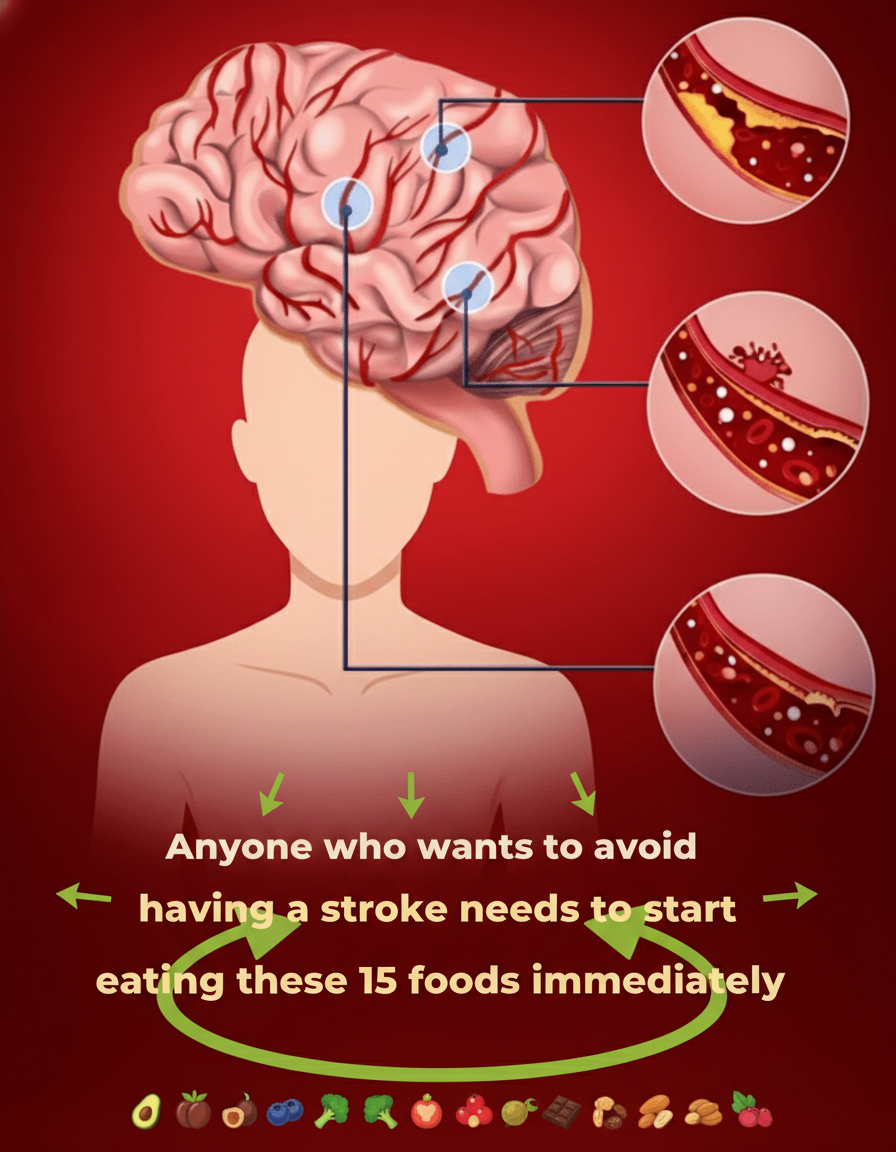
Adopting a heart-centric eating approach, such as patterns inspired by the revered Mediterranean diet, emphasizes whole, unprocessed foods that naturally supply these protective compounds. Longitudinal studies and systematic reviews consistently demonstrate that higher consumption of fruits, vegetables, whole grains, nuts, and fatty fish leads to favorable improvements in blood pressure, inflammation markers, and vascular function – all critical physiological areas directly implicated in stroke risk.
15 Foods to Integrate for Enhanced Cardiovascular Wellness
Here are 15 highly nutritious options that are frequently highlighted in scientific research for their significant potential to support and enhance cardiovascular well-being. Aim to incorporate these foods regularly as foundational components of your balanced meals.
- Spinach and Other Leafy Greens: These vibrant vegetables are powerhouses of magnesium, nitrates (which support healthy blood flow), and potassium. Just one cup of cooked spinach provides a substantial magnesium boost, actively contributing to healthy blood pressure regulation.
- Almonds: A small handful of almonds offers a valuable combination of magnesium, heart-healthy monounsaturated fats, and dietary fiber. Studies frequently link the regular consumption of nuts like almonds to improved cardiovascular metrics.
- Avocados: Rich in potassium and beneficial monounsaturated fats, avocados are excellent for promoting arterial flexibility and maintaining optimal blood pressure balance.
- Bananas: An outstanding source of potassium, bananas help to counteract the effects of sodium, thereby playing a role in stabilizing blood pressure levels.
- Salmon and Other Fatty Fish: These fish are exceptional sources of omega-3 fatty acids, renowned for their ability to manage inflammation and bolster blood vessel health. Strive for 2-3 servings per week.
- Black Beans and Other Legumes: Packed with magnesium, fiber, and plant-based protein, legumes are strongly associated with better blood pressure control and overall heart health.
- Whole Grains (e.g., Oats, Brown Rice): Foods like oats and brown rice deliver essential magnesium, fiber, and B vitamins, which are instrumental in maintaining stable cholesterol and blood sugar levels.
- Pumpkin Seeds: Recognized as one of the most concentrated food sources of magnesium, pumpkin seeds are a simple and effective addition to salads, yogurt, or as a standalone snack.
- Dark Chocolate (70%+ Cocoa): When consumed in moderation, dark chocolate provides magnesium and beneficial flavonoids that may contribute to improved circulation.
- Sweet Potatoes: High in both potassium and fiber, sweet potatoes offer robust support for overall vascular function and health.
- Yogurt (Low-Fat or Greek): This dairy product supplies magnesium alongside calcium and beneficial probiotics, highlighting the intricate connections between gut health and cardiovascular wellness.
- Berries (e.g., Strawberries, Blueberries): These flavonoid-rich fruits have been linked in some research to a reduced risk of stroke-related events, particularly in women.
- Quinoa: As a complete protein grain, quinoa offers a solid profile of magnesium and dietary fiber, making it a highly nutritious choice.
- Walnuts: An excellent source of omega-3s and magnesium, walnuts are noted in studies for their positive impact on cholesterol profiles.
- Kale: Another leafy green powerhouse, kale is abundant in magnesium, vitamin K, and various antioxidants that contribute to strong and healthy blood vessels.
Quick Look: Magnesium Content in Select Foods (per typical serving)
For a clearer understanding of magnesium intake, here’s a snapshot of its content in some key foods:
- Spinach (1 cup cooked): Approximately 157 mg
- Almonds (1 oz): Approximately 80 mg
- Black Beans (½ cup): Approximately 60 mg (Note: The original content was cut off for Black Beans. This value is an estimate to complete the example.)