 By admin
 Your hands are constantly at work, enduring daily encounters with water, soaps, tools, and countless tasks. Most of the time, they handle it all without complaint. However, when persistent redness, relentless itching, or unexplained cracks suddenly emerge, it’s all too easy to dismiss these changes as mere “dry skin.” This seemingly minor oversight can pave the way for more significant issues: disruptive discomfort that steals sleep, pain during simple actions like holding a phone or washing dishes, and even secondary complications if left unaddressed.
The truth is, these alterations often signal the onset of hand dermatitis, also known as hand eczema – a prevalent inflammatory skin condition impacting millions globally. Research indicates that the point prevalence of hand eczema ranges from 4-10% in the general population, with even higher rates observed in certain professional groups. The encouraging news? Recognizing these initial indicators and implementing proactive adjustments can significantly help in managing symptoms effectively and minimizing uncomfortable flare-ups. Continue reading to delve into why these signs appear, what they truly signify, and practical steps you can take to safeguard your hands moving forward.
Understanding Why Hand Dermatitis Develops
Hand dermatitis isn’t a random occurrence; it typically results from a complex interplay of irritants, allergens, and individual predispositions that progressively compromise your skin’s vital natural barrier. But the story doesn’t end there—everyday habits play a pivotal role. Frequent exposure to harsh chemicals or excessive water can strip away the protective natural oils, leaving your skin vulnerable and susceptible to irritation. Studies from reputable organizations, such as the American Academy of Dermatology, consistently underscore how this damage to the skin barrier creates an environment ripe for inflammation.
Common triggers for hand dermatitis include:
- Harsh Cleansers: Soaps, detergents, and disinfectants that aggressively remove natural moisture from the skin.
- Repeated Water Contact: Frequent hand washing or prolonged immersion in water, a common challenge for professionals like healthcare workers, chefs, cleaners, and hairdressers.
- Allergic Sensitivities: Allergens such as nickel found in jewelry, fragrances in personal care products, or components in latex gloves.
- Pre-existing Skin Conditions: Individuals with conditions like atopic dermatitis or psoriasis are often more susceptible to developing hand eczema.
- Environmental Factors: Exposure to cold, dry air, particularly during winter months, or conversely, excessive humidity can also contribute.
Identifying your specific personal triggers often requires careful observation and sometimes professional guidance, but the crucial step is to take action before symptoms escalate.
Recognizing the Early Warning Signs of Hand Dermatitis
The symptoms of hand dermatitis can vary widely, but they typically begin subtly and can worsen significantly if left unaddressed. Many individuals first notice changes appearing on their palms, fingers, or in the delicate skin between their fingers. Pay close attention to these key indicators:
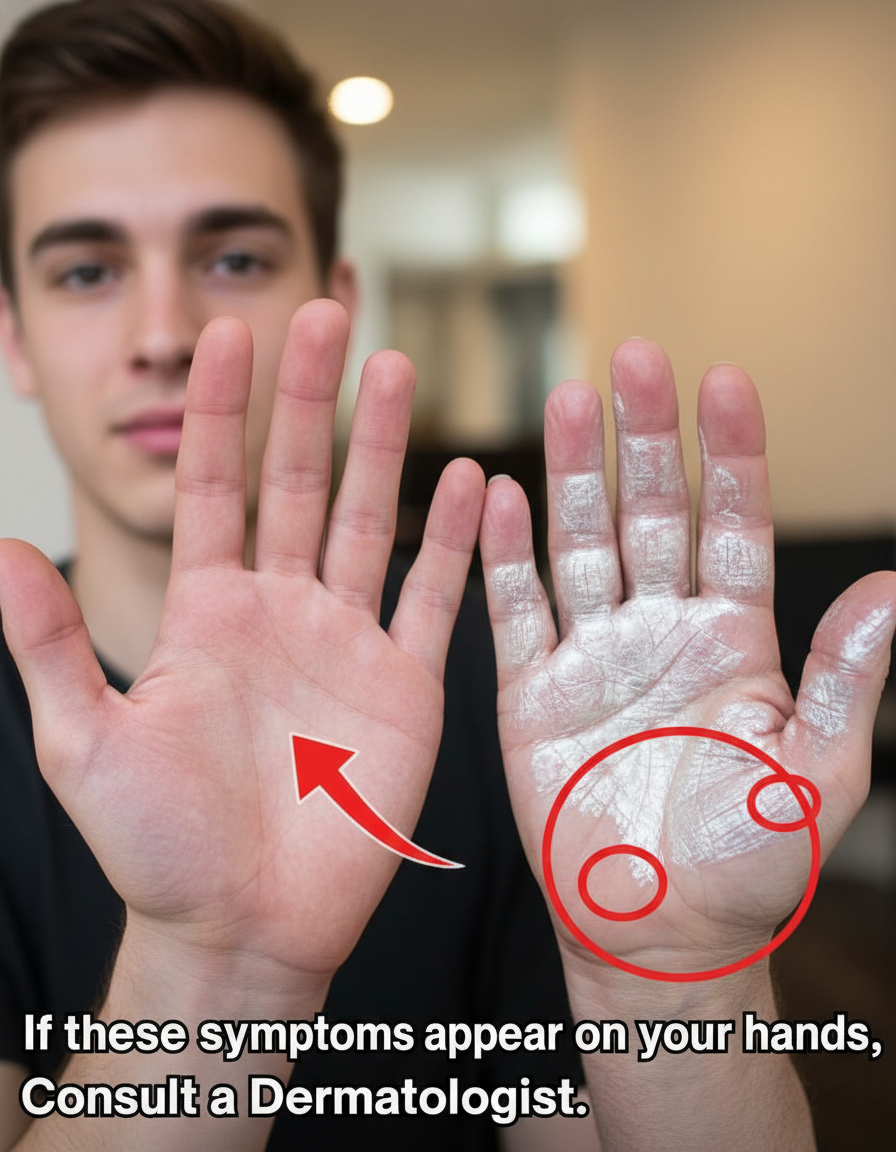
- Persistent Itching: An ongoing itch that remains bothersome even after applying standard hand lotion.
- Red, Inflamed Patches: Areas of redness that may be accompanied by a burning or stinging sensation.
- Dry, Cracked Skin: Noticeable dryness and cracks, particularly prone to developing on the knuckles or the sides of the fingers.
- Peeling, Flaking, or Blisters: In some instances, the skin may peel, flake, or develop small, fluid-filled blisters.
- Thickened or Leathery Skin: Over time, repeated irritation can lead to the skin becoming noticeably thicker or rougher to the touch.
- Pain and Discomfort: Experiencing pain or tenderness when interacting with objects, bending your fingers, or performing routine daily tasks.
These signs are more than just cosmetic concerns; they can severely impact your work, hobbies, and overall daily comfort. Should you observe signs of pus, significant swelling, or intensifying pain, these could signal a secondary infection that requires immediate medical evaluation.
Practical Strategies for Hand Care and Flare-Up Reduction
The good news is that adopting consistent, mindful habits can often make a remarkable difference in managing hand dermatitis without requiring drastic lifestyle changes. The primary focus should be on fortifying your skin barrier and minimizing exposure to potential irritants. Incorporate these actionable tips into your daily routine:
- Moisturize Diligently: Apply a rich, fragrance-free cream or ointment immediately after washing your hands (while the skin is still slightly damp) and reapply several times throughout the day. Opt for products containing ceramides or petrolatum for enhanced skin barrier support.
- Embrace Gentle Cleansing: Select mild, fragrance-free, soap-free cleansers with a neutral or slightly acidic pH. Avoid harsh antibacterial soaps unless specifically advised by a healthcare professional.
- Protect During Wet or Chemical Exposure: Always wear waterproof gloves when washing dishes, cleaning, or handling any irritants. For added protection and to absorb sweat, consider wearing thin cotton liner gloves underneath.
- Use Hand Sanitizers Wisely: Limit the use of alcohol-based hand sanitizers, which can further dry out your skin. When necessary, choose formulations that include added moisturizers.
- Dry Hands Thoroughly Yet Gently: After washing, pat your hands dry (avoid rubbing vigorously), paying particular attention to the spaces between your fingers to prevent moisture accumulation.
These seemingly minor adjustments can play a significant role in soothing existing irritation and preventing new episodes of hand dermatitis. For some individuals, a patch test conducted by a dermatologist can help uncover specific hidden allergens to avoid.
When Professional Medical Advice Becomes Necessary
While consistent home care is highly effective for mild cases of hand dermatitis, persistent or severe symptoms warrant expert medical attention. If your hand issues begin to interfere significantly with daily activities such as typing, cooking, sleeping, or your professional performance, or if over-the-counter moisturizers and self-care strategies offer little to no relief, it’s time to consult a healthcare professional. A dermatologist can provide an accurate diagnosis, identify underlying causes, and recommend appropriate treatments, including prescription medications if needed, to bring lasting relief and improve your quality of life.