 By admin
 That persistent ringing, buzzing, hissing, or whooshing sound you hear, known medically as tinnitus, can be incredibly disruptive. It often interferes with concentration during quiet moments, complicates falling asleep, and can even foster a sense of isolation since it’s a sound only you perceive. For many, this auditory phenomenon becomes a daily companion, frequently growing more noticeable in silent surroundings.
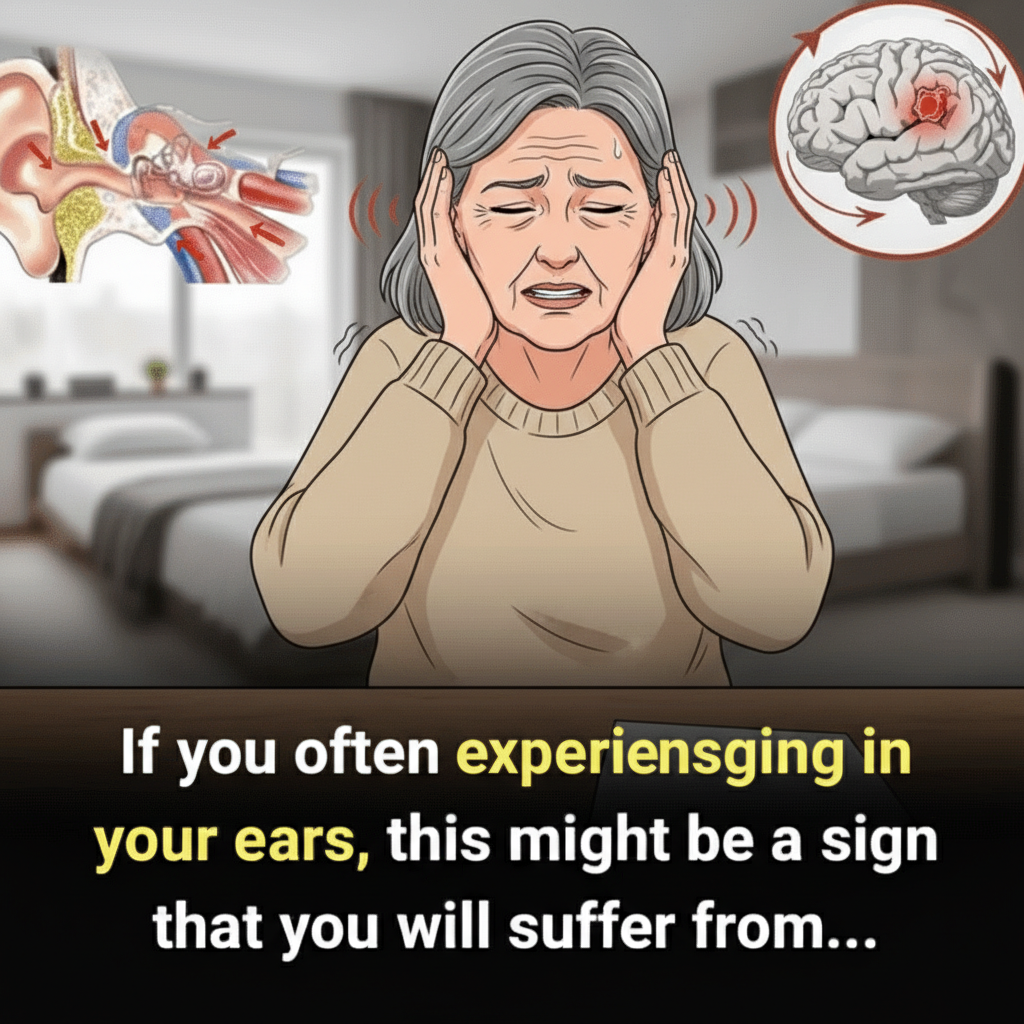
The true concern arises when this ear ringing becomes frequent, changes in character, or intensifies, potentially signaling an underlying health issue. However, understanding the various potential connections can empower you to take proactive steps and recognize precisely when professional medical evaluation is advisable. There’s one particular pattern, in fact, that often serves as a clearer warning sign demanding immediate attention.
Understanding Tinnitus: More Than Just a Sound
Tinnitus isn’t a disease in itself; rather, it’s a symptom involving the perception of sound without an external source. These phantom sounds can manifest as ringing, buzzing, hissing, clicking, roaring, or even a rhythmic pulsing. Research indicates that millions globally experience tinnitus, often linked to alterations within the auditory system.
What many don’t fully grasp is the diverse nature of tinnitus. Some individuals report a steady, high-pitched ring, while others describe a low roar or even a pulsating whoosh. Leading medical institutions like the Mayo Clinic and Cleveland Clinic emphasize that while most cases are benign, certain characteristics and accompanying symptoms warrant closer investigation.
Common Everyday Triggers for Ear Ringing
In numerous instances, tinnitus originates from routine factors that can accumulate over time:
- Noise Exposure: Prolonged or intense exposure to loud sounds—whether from concerts, industrial machinery, or headphones at excessive volumes—can damage the delicate hair cells within the inner ear, leading to noise-induced hearing loss and tinnitus.
- Age-Related Hearing Changes: As we age, a gradual decline in hearing (presbycusis) often brings with it the onset of tinnitus, as the sensory hair cells in the cochlea naturally wear down.
- Earwax Blockage: Excessive earwax buildup can create pressure within the ear canal, temporarily impairing hearing and causing a sensation of fullness or ringing.
- Fluid from Colds or Allergies: Congestion or fluid accumulation in the middle ear due to colds, allergies, or sinus infections can lead to temporary pressure changes and tinnitus.
These common causes are typically manageable through simple preventative measures, such as using ear protection in noisy environments or seeking guidance for safe earwax removal.
When Tinnitus Signals Inner Ear Concerns
Tinnitus is frequently interconnected with the inner ear, where both hearing and balance mechanisms reside. Conditions affecting this intricate area often manifest with persistent ear ringing:
- Progressive Hearing Loss: As hearing deteriorates, the brain may attempt to compensate by generating phantom sounds, leading to tinnitus.
- Meniere’s Disease: This inner ear disorder, characterized by fluid buildup, commonly begins with tinnitus. It’s often accompanied by distinctive symptoms such as episodes of severe dizziness (vertigo), a sensation of ear fullness, and fluctuating hearing loss. Recognizing these symptoms together is crucial for timely evaluation and management.
The Role of Nerve and Tumor-Related Issues
In rarer circumstances, tinnitus can serve as an early indicator of pressure on auditory pathways. For example, a benign, slow-growing tumor on the vestibulocochlear nerve (the nerve responsible for hearing and balance), often called an acoustic neuroma, can cause persistent or worsening unilateral tinnitus. Studies indicate that this usually affects only one ear and may be accompanied by gradual hearing changes or balance issues. While uncommon, awareness of this possibility encourages prompt medical checks, particularly when symptoms are confined to a single ear.
Vascular and Blood Flow Connections
One distinct type of tinnitus is pulsatile tinnitus—a rhythmic whooshing or pulsing sound that often synchronizes with your heartbeat. This form is particularly noticeable and frequently points to changes in blood flow near the ears. Potential causes include:
- Elevated Blood Pressure: High blood pressure can increase the force of blood flow through vessels near the ear.
- Atherosclerosis: Narrowed or hardened arteries can create turbulent blood flow.
- Other Circulatory Factors: Various vascular conditions can alter blood flow dynamics.
Sources like the Cleveland Clinic emphasize that this specific pattern of tinnitus can sometimes highlight circulatory issues that warrant early medical attention, as it differs significantly from the constant, non-rhythmic sounds typically experienced by others.
Ear, Nose, and Throat (ENT) Factors Not to Overlook
Everyday ENT issues commonly contribute to tinnitus and should not be ignored:
- Middle or Outer Ear Infections: Inflammation and infection can cause pressure and temporary ringing.
- Eustachian Tube Dysfunction: Blockage of the Eustachian tube (often due to allergies or sinus problems) can lead to pressure imbalances.
- Excessive Earwax: As mentioned, significant earwax buildup can create physical obstruction and pressure.
While these issues often resolve with appropriate care, neglecting them can prolong discomfort and the presence of tinnitus.
Other Surprising Contributors to Tinnitus
Beyond direct ear-related causes, tinnitus can sometimes be linked to less obvious factors:
- Temporomandibular Joint (TMJ) Disorders: Problems with the jaw joint, such as tension or misalignment, can affect nearby structures and nerves, leading to tinnitus.
- Neck Issues: Poor posture or degenerative changes in the neck can contribute to muscle tension that impacts nerves connected to the auditory system.
- Certain Medications: Some drugs, including specific antibiotics, antidepressants, and aspirin in high doses, can cause tinnitus as a side effect. It’s always important to discuss medication-related concerns with a healthcare provider.
- Head or Neck Injuries: Past trauma to the head or neck can sometimes trigger or exacerbate tinnitus.
Key Signs It’s Time to Seek Professional Guidance
Knowing when to consult a medical professional can significantly impact the effective management of tinnitus. Pay close attention and seek prompt medical advice if your tinnitus:
- Persists for more than a week without any improvement.
- Occurs predominantly or exclusively in only one ear.
- Is accompanied by noticeable changes in hearing, dizziness, or balance problems.
- Sounds rhythmic or pulsatile, syncing with your heartbeat.
Your doctor or an audiologist can help determine the underlying cause of your tinnitus and recommend appropriate treatment options or management strategies. Early intervention can often lead to better outcomes and peace of mind.