 By admin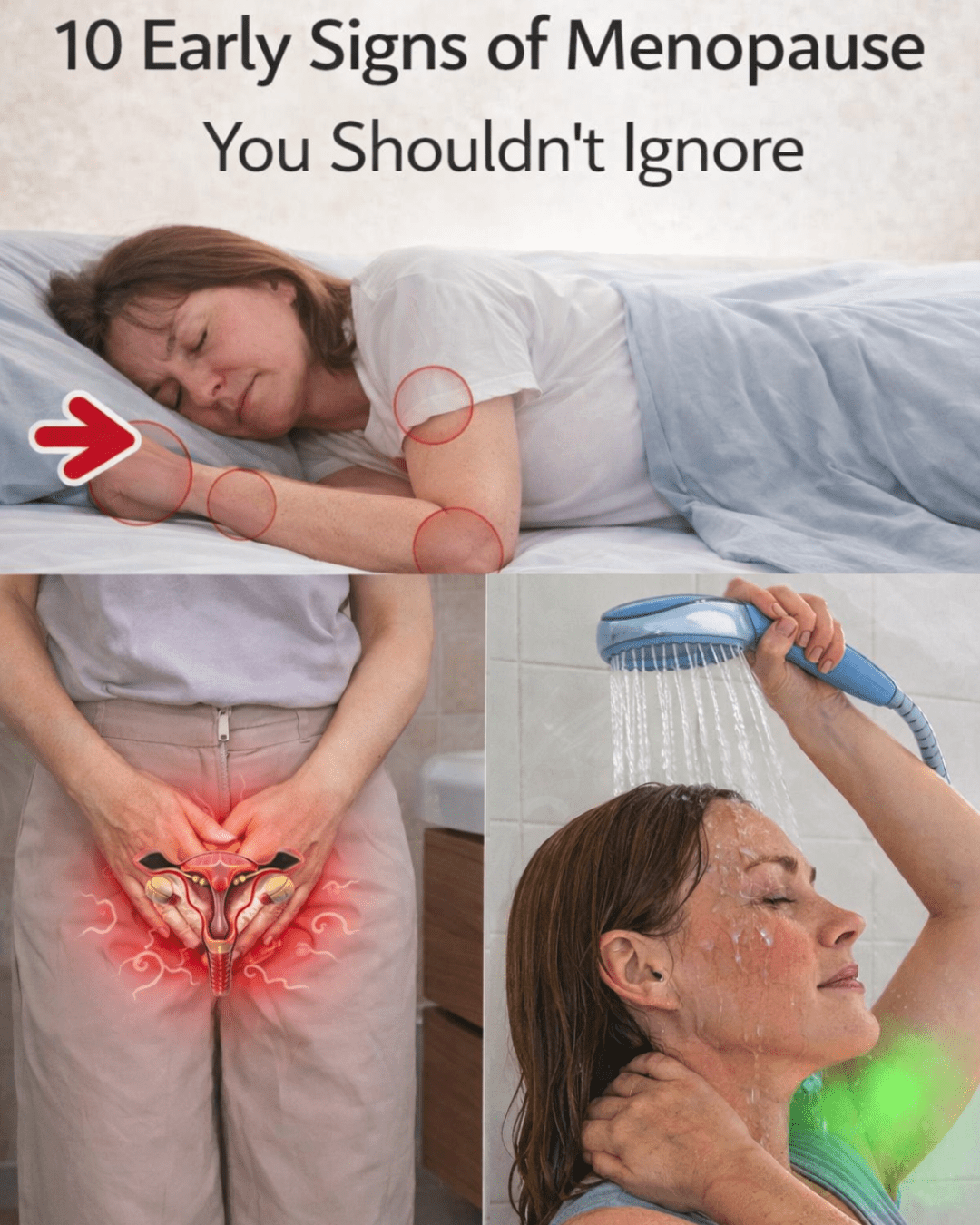
Imagine waking up soaked in sweat in the middle of the night, your heart pounding, or noticing your periods becoming unpredictable without any clear reason. These changes can feel alarming, especially in your 30s or 40s when you’re juggling work, family, and daily life. Many women brush them off as stress or temporary issues, but they might signal early menopause—a hormonal shift happening sooner than expected, often before age 45. Research shows that early menopause (before 45) affects up to 12% of women globally, while premature ovarian insufficiency (POI, before 40) impacts around 3-4%, leaving many undiagnosed and at higher risk for long-term health concerns like bone loss and heart issues. The good news? Recognizing these signs early opens the door to better management and support. Stick around—by the end, you’ll know exactly what steps to take for clarity and confidence.

The Rising Reality of Early Menopause
Early menopause occurs when ovarian function declines before age 45, leading to lower estrogen levels years ahead of the typical average menopause age of around 51. Studies indicate this affects a significant number of women, with POI (before 40) estimated at 1-4% depending on global data reviews. Unlike natural menopause, this earlier transition can stem from genetics, autoimmune factors, medical treatments, or remain unexplained in most cases. The result? Prolonged low estrogen, which research links to increased risks for osteoporosis, cardiovascular changes, and other effects. Many women dismiss early symptoms, delaying support that could make a real difference.
But here’s the key: Awareness changes everything. Let’s break down the most common signs so you can spot them sooner.
10 Critical Signs of Early Menopause
1. Irregular or Missed Periods
The most common first sign is changes in your menstrual cycle—periods that become unpredictable, lighter, heavier, or skipped altogether.
This happens because declining ovarian function disrupts regular ovulation and estrogen production.
If you’ve gone months without a period (and aren’t pregnant), it’s worth noting. Tracking your cycle with an app can reveal patterns quickly.

2. Hot Flashes and Night Sweats
Sudden waves of intense heat, often with sweating and a racing heart, can strike anytime—even during meetings or sleep.
These vasomotor symptoms affect many women in early transitions and tend to be more intense when onset is younger.
Simple cooling strategies, like layered clothing or a fan, offer immediate relief while you seek longer-term options.
3. Sleep Disturbances
Trouble falling asleep, staying asleep, or waking unrefreshed is common, often worsened by night sweats.
Hormonal fluctuations interfere with sleep cycles, leading to daytime fatigue that builds over time.
Prioritizing a consistent bedtime routine can help, but addressing the root cause brings lasting improvement.
4. Mood Changes, Anxiety, or Irritability
You might feel more emotional, anxious, or quick to anger—changes that feel out of character.
Estrogen plays a role in brain chemistry, so shifts can heighten mood variability.
Many women find talking to a trusted professional or practicing mindfulness eases these feelings.
5. Vaginal Dryness and Discomfort
Thinning vaginal tissues from lower estrogen can cause dryness, irritation, or discomfort during intimacy.
This is a frequent but treatable issue that affects comfort and relationships.
Over-the-counter moisturizers or prescribed options often restore ease.

6. Unexplained Fatigue
Persistent tiredness that doesn’t improve with rest can signal hormonal changes sapping energy.
Low estrogen impacts overall vitality and recovery.
Gentle movement and balanced nutrition support energy levels during this phase.
7. Joint and Muscle Aches
New or worsening stiffness, aches, or joint pain may appear without injury.
Estrogen helps maintain joint health, so its decline can contribute to inflammation.
Regular low-impact exercise like walking or yoga often provides relief.
8. Brain Fog or Memory Issues
Difficulty concentrating, forgetting words, or feeling mentally fuzzy is reported by many.
Cognitive changes link to estrogen’s role in brain function.
Brain-training activities and good sleep hygiene sharpen focus over time.
9. Changes in Bone Health Awareness
While not an immediate “sign,” accelerated bone loss is a key concern with prolonged low estrogen.
Early menopause raises osteoporosis risk later on.
Bone density discussions with your provider become important.
10. Heart-Related Sensations or Long-Term Risks
Palpitations, or awareness of heart changes, can occur; research shows early menopause links to higher cardiovascular risks over time.
Estrogen supports heart health, so earlier loss matters.
Monitoring blood pressure and cholesterol helps protect long-term.
Here’s a quick comparison of common symptoms and why they’re often overlooked:
- Irregular Periods → Dismissed as stress → Early check leads to answers
- Hot Flashes → Blamed on weather or anxiety → Relief options exist
- Mood Swings → Attributed to life demands → Support improves daily life
- Fatigue → Seen as normal busyness → Targeted steps restore energy
But that’s not all—many women experience a mix of these, amplifying the impact.

What to Do Next: Actionable Steps You Can Take Today
- Track your symptoms for 1-2 months: Note cycle changes, flashes, mood, and energy in a journal or app. Patterns provide valuable info for your doctor.
- Consult a healthcare provider: Request blood tests for FSH (follicle-stimulating hormone) and estradiol levels to confirm changes. Discuss family history too—genetics often play a role.
- Explore management options: Many women benefit from hormone therapy (often recommended until around age 51 for early cases to support bones and heart), lifestyle adjustments like weight-bearing exercise, calcium-rich foods, and vitamin D. Non-hormonal approaches for specific symptoms can complement care.
- Prioritize self-care: Focus on balanced meals, regular movement, stress reduction (like meditation), and quality sleep. These build resilience.
- Consider fertility if relevant: If family planning matters, discuss preservation options early.
Imagine 30 Days From Now
With clearer understanding and a plan, you could wake up feeling more rested, handle daily stresses with steadier moods, and move forward with confidence. Taking action now protects your future health and well-being. Inaction might allow risks to build quietly—don’t wait for symptoms to worsen.
FAQ: Common Questions About Early Menopause
What causes early menopause?
It can stem from genetics, autoimmune issues, medical treatments, or remain unexplained (idiopathic in most cases). Lifestyle factors like smoking may contribute.
Is hormone therapy safe for early menopause?
For women experiencing early or premature menopause, hormone therapy is often recommended to manage symptoms and support long-term health until the typical menopause age, but discuss benefits and risks with your provider.
Can early menopause be reversed?
In most cases, ovarian function doesn’t fully return, but symptoms can be effectively managed, and early care helps preserve quality of life.
This article is for informational purposes only and does not replace professional medical advice. Always consult your healthcare provider for personalized guidance and diagnosis.