 By admin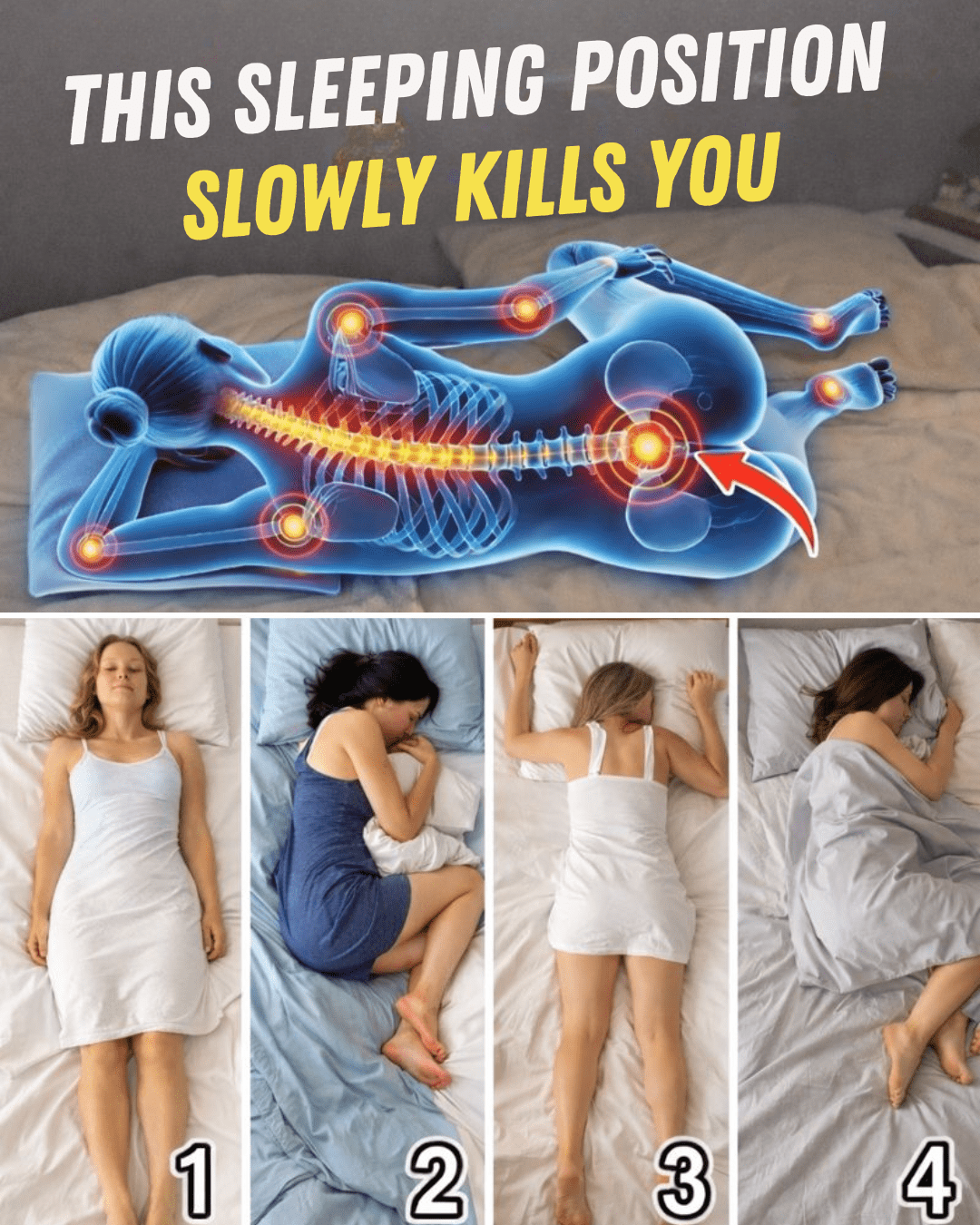
You wake up with a stiff neck, nagging lower back ache, or that groggy feeling that lingers all day, even after eight hours in bed. Many blame stress, age, or a bad mattress, but the real culprit could be hiding right under you—your sleeping position. Research shows that how you position your body during sleep affects spinal alignment, breathing quality, and even how rested you feel upon waking. Stomach sleeping, in particular, often creates subtle strain that builds over time, leading to discomfort that disrupts your daily life. The good news? A simple shift can transform your nights and mornings—but there’s one surprising detail about the safest positions that most people overlook, and it could change everything for you.

Why Stomach Sleeping Is Considered One of the Worst Positions for Your Health
Stomach sleeping might feel comforting at first, like sinking into a soft cloud, but experts widely agree it’s among the least supportive postures for long-term wellness. When you lie face-down, your head must turn to one side to breathe, forcing your neck into an extreme twist for hours.
This unnatural rotation strains the cervical spine and surrounding muscles. Studies indicate that poor spinal alignment from this position contributes to increased tension and discomfort in the neck and back upon waking.
But that’s not all. Your torso sinks deeper into the mattress due to gravity, which can flatten the natural curve of your lower back and create added pressure on the spine. Over repeated nights, this may heighten the likelihood of morning stiffness or ongoing aches.
Breathing takes a hit too. Lying prone compresses the chest and diaphragm, potentially limiting full lung expansion. This can reduce oxygen flow during deeper sleep stages, leaving you less refreshed even if you log enough hours.
For those prone to snoring or breathing interruptions, stomach sleeping offers mixed effects—some notice less snoring due to gravity pulling tissues forward, but it often worsens overall airway stability for others.

How Stomach Sleeping Accelerates Skin Changes and Other Subtle Effects
Constant face-to-pillow contact creates repeated pressure and friction on one side of your face. Over years, this can contribute to temporary lines or puffiness that appear more pronounced in the morning.
Research on facial distortion during sleep suggests that positions pressing the face against a surface accelerate certain skin folds, especially as skin loses elasticity with age. While not the sole cause of aging, it adds to the cumulative effects from expressions, sun exposure, and lifestyle.
Circulation may also feel the impact. Pressure on organs and limbs can lead to temporary numbness or tingling in arms and legs as blood flow adjusts. While not dangerous for most, it adds to that “off” feeling when you stir.

The Science-Backed Best Sleeping Positions to Try Tonight
Experts consistently recommend positions that maintain neutral spinal alignment and support natural body curves. Here’s a quick comparison of the top options:
- Back Sleeping (Supine Position)
Keeps the head, neck, and spine in a straight line.
Distributes weight evenly to minimize pressure points.
May reduce acid reflux by keeping the stomach below the esophagus.
Ideal for those seeking overall relaxation and a refreshed feeling. - Side Sleeping (Especially Left Side)
Aligns the spine similarly to back sleeping when supported properly.
Opens airways to potentially ease snoring.
Left-side preference aids digestion by allowing gravity to help food move through the stomach.
Often favored for heart comfort and circulation in certain cases. - Right-Side Sleeping
Still supportive for spinal health.
May slightly increase reflux risk for some.
Comfortable for many adults and relieves pressure in specific scenarios.
Surveys and studies show side and back sleepers often report higher satisfaction with rest quality compared to stomach sleepers.
