 By admin
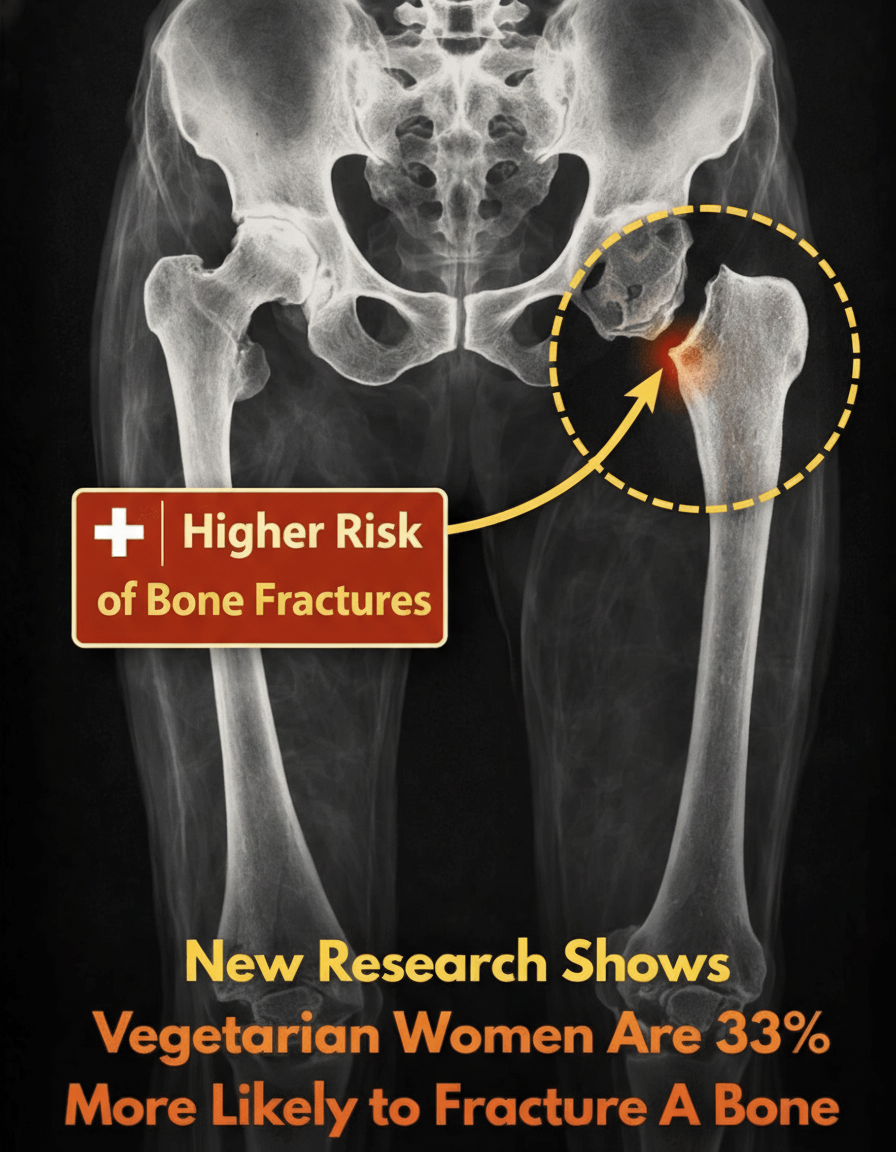
 Embracing a vegetarian lifestyle offers numerous well-documented health advantages, from bolstering cardiovascular wellness to aiding in the management of chronic conditions like type 2 diabetes. However, a significant UK study has recently brought to light a crucial consideration for long-term skeletal health, particularly concerning women. This extensive research, which tracked over 26,000 women for decades, revealed that individuals adhering to a vegetarian diet experienced a 33% higher risk of hip fractures when compared to their regular meat-eating counterparts. This notable disparity often correlates with potential deficiencies in vital nutrients essential for robust bone strength and overall physical resilience. The reassuring news is that adopting a plant-centric diet doesn’t inherently compromise bone health; strategic dietary planning can help you harness its benefits while safeguarding your skeletal system. Continue reading to discover practical, actionable strategies for optimizing your bone health without a complete dietary overhaul.
Understanding the Latest Research on Diet and Hip Fractures
The findings stem from an in-depth investigation published in BMC Medicine, drawing data from the comprehensive UK Women’s Cohort Study. This landmark research meticulously followed women aged 35 to 69 for more than two decades, scrutinizing hip fracture incidence across various dietary groups. The study categorized participants into regular meat-eaters (consuming meat at least five times weekly), occasional meat-eaters, pescatarians (including fish but no other meat), and vegetarians (abstaining from all meat and fish). Strikingly, the analysis demonstrated that vegetarians exhibited the highest adjusted risk, being approximately 33% more prone to experiencing a hip fracture compared to those who regularly consumed meat. Interestingly, pescatarians and occasional meat-eaters did not show a statistically significant elevated risk. This trend remained consistent even after controlling for other influential variables such as age, smoking habits, and levels of physical activity. Crucially, the researchers emphasized that the elevated risk for vegetarians wasn’t solely attributable to the absence of meat. Experts highlight that typical vegetarian diets often involve lower average consumption of specific nutrients vital for bone health, alongside a tendency for a lower body mass index (BMI). A reduced BMI or diminished muscle mass can, over time, render bones more susceptible to fractures, particularly as individuals age. However, there’s more to unpack regarding this complex relationship…
Why Might Vegetarian Diets Affect Bone Health?
Sustaining robust bone health is a dynamic process reliant on a delicate interplay of adequate nutrient intake, regular physical stress from movement, and maintaining a healthy body weight. Animal products, especially meat, typically offer concentrated sources of high-quality protein, alongside essential micronutrients like iron and vitamin B12, all of which are instrumental in supporting muscle integrity and bone upkeep. Conversely, individuals following exclusively plant-based diets might occasionally encounter deficiencies in several key areas crucial for skeletal strength:
- Protein Quality and Quantity: Protein is fundamental not only for building and repairing muscle tissue, which provides crucial support and protection for bones, but also for the bone matrix itself.
- Calcium Absorption: While many plant foods contain calcium, its bioavailability can be affected by other compounds in the diet (e.g., oxalates in spinach). Overall dietary balance significantly influences how effectively calcium is absorbed.
- Vitamin D and Other Bone Density Factors: Vitamin D is vital for calcium absorption and bone mineralization. Plant-based sources are limited, and many individuals, regardless of diet, require supplementation, especially in regions with less sunlight.
It’s important to note that while this study identified correlations, it did not establish direct causation. However, it vividly illustrated how these cumulative factors can contribute to bone vulnerability. A lower BMI, frequently observed among vegetarians, partially accounted for the elevated fracture risk; a lighter body weight inherently provides less natural cushioning and protection against accidental falls or impacts. It is crucial to reiterate that this does not imply plant-based diets are intrinsically detrimental to bone health. Many vegetarians thrive, exhibiting excellent bone density and strength. The divergence in outcomes frequently hinges on conscious, informed dietary choices rather than the mere classification of the diet itself. And this leads us to an important perspective…
The Enduring Benefits of Vegetarian Eating
It’s imperative not to overshadow the profound advantages associated with a well-structured vegetarian diet. Consistently, such eating patterns are linked to a reduced incidence of chronic ailments, including heart disease, type 2 diabetes, and certain forms of cancer. These diets are typically rich in dietary fiber, potent antioxidants, and a diverse array of beneficial plant compounds that collectively promote holistic wellness. The very study under discussion further substantiates that vegetarianism confers genuine benefits for metabolic and cardiovascular health. The central challenge, therefore, lies in harmonizing these significant health benefits with proactive strategies for bone protection – a balance that is entirely attainable with heightened awareness and deliberate planning. Many women adhering to plant-focused diets often find themselves in a dilemma, appreciating the vitality and lightness they experience but harboring concerns about their long-term skeletal integrity. The encouraging reality is that even minor, strategic adjustments can yield substantial improvements in bone health without necessitating a complete abandonment of their preferred dietary style.
Key Nutrients to Prioritize for Robust Bone Health on a Vegetarian Diet
To proactively support and maintain strong, resilient bones, individuals following a vegetarian diet should place a particular emphasis on these crucial nutrients. Below is a detailed overview of their significance and excellent plant-based sources:
- Protein: This macronutrient is indispensable for building and repairing muscle mass, which provides vital structural support for bones, and plays a direct role in bone remodeling processes. Aim for a daily intake of approximately 1.0–1.2 grams per kilogram of body weight.
- Plant-based sources: Lentils, chickpeas, tofu, tempeh, edamame, quinoa, a variety of nuts and seeds, and plant-based protein powders. (If dairy is included in your diet, Greek yogurt is also an excellent source.)
- Calcium: The primary mineral component of bones, calcium is fundamental for building and maintaining bone density and strength throughout life.
- Plant-based sources: Calcium-fortified plant milks (almond, soy, oat), dark leafy greens (such as kale, bok choy, collard greens), almonds, tahini, and calcium-set tofu.
- Vitamin D: Often referred to as the “sunshine vitamin,” Vitamin D is critical for the efficient absorption of calcium in the gut and its subsequent integration into bone tissue. Many individuals, especially those in regions with limited sun exposure, may require supplementation.
- Plant-based sources: Fortified foods (cereals, certain plant milks), mushrooms exposed to UV light, or physician-recommended supplements.
- Vitamin K: This vitamin plays a significant role in bone mineralization, supporting the creation of proteins necessary for healthy bone metabolism and structure.
- Plant-based sources: Abundant in leafy green vegetables (spinach, kale, collard greens), broccoli, Brussels sprouts, and fermented foods like natto (rich in K2).
By thoughtfully incorporating these nutrient-rich foods and considering appropriate supplementation, vegetarian women can effectively mitigate potential risks and cultivate a strong foundation for lifelong bone health.