 By admin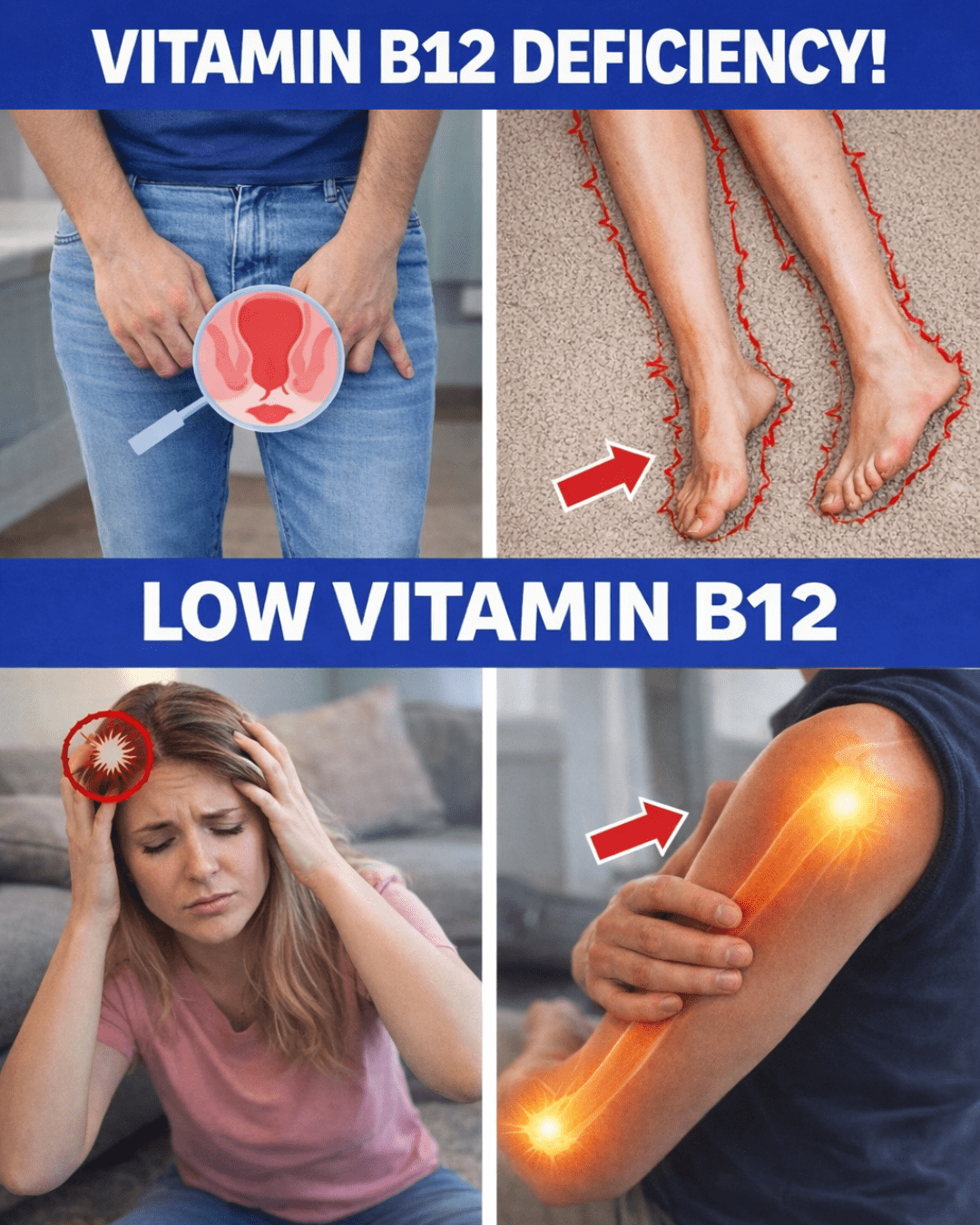
Waking up exhausted even after a full night’s sleep, dealing with persistent brain fog that makes focusing feel impossible, or noticing strange tingling in your hands and feet can be incredibly frustrating. These subtle issues creep in slowly, chipping away at your energy, mood, and confidence in everyday activities. Many brush them off as just getting older or stress, but they could signal something more manageable: low vitamin B12 levels, a common nutrient shortfall that affects millions and often goes unnoticed until addressed.
The good news? Spotting these signs early and taking simple steps—like checking your diet or talking to your doctor—can help restore that sense of vitality. But here’s the part most people miss: some of the strangest symptoms aren’t the obvious ones, and ignoring them might let things progress quietly. Stick around, because we’ll uncover the lesser-known clues backed by research, plus practical ways to support your levels naturally.

Why Vitamin B12 Is Essential for Your Daily Energy and Well-Being
Vitamin B12 plays a crucial role in producing healthy red blood cells, maintaining nerve function, and helping convert food into usable energy. Research from sources like the National Institutes of Health shows that without enough B12, your body struggles to deliver oxygen efficiently and protect nerve coverings, leading to a range of effects that can feel unrelated at first.
Deficiency often builds gradually due to factors like reduced absorption with age, certain medications (such as metformin or acid reducers), or diets low in animal products. Studies indicate it’s more common in older adults and those with digestive issues. The subtle buildup can leave you feeling off without a clear reason—but recognizing patterns empowers you to act thoughtfully.
But that’s not the full picture… let’s dive into the unusual signs that often surprise people the most.
8 Unusual Signs That May Point to Low Vitamin B12 Levels
These indicators can appear in unexpected ways, and research links many to B12’s support for nerve health and blood cell production. Here’s what to watch for, starting with some of the more surprising ones.
8. Blurred or Disturbed Vision
Sudden fuzziness or changes in sight clarity can be alarming. Evidence suggests low B12 may impact the optic nerve in some cases, leading to visual disturbances. While rare, addressing levels alongside eye care from a professional may help support overall eye comfort.

7. Mood Changes, Like Increased Irritability
Unexplained irritability or mood swings can feel isolating and draining. Vitamin B12 contributes to producing brain chemicals involved in mood regulation, and studies associate low levels with potential fluctuations in emotional well-being. Noticing this alongside other signs might encourage a closer look at your nutrient status.
6. Unsteady Walk or Balance Problems
Feeling wobbly, less coordinated, or off-balance raises safety concerns. B12 supports nerve signaling for steady movement, and deficiencies can contribute to these challenges over time. Many report steadier steps once they support their levels properly.
5. Brain Fog or Memory Lapses
Difficulty concentrating, forgetting simple things, or mental haziness despite rest can be disheartening. Research indicates low B12 may affect cognitive clarity, particularly in older adults. This fog often motivates people to explore B12-rich foods more intentionally.
4. Pale or Slightly Yellowish Skin
An unusually pale complexion or subtle yellow tint might stand out. Low B12 can influence red blood cell production, sometimes leading to anemia-related skin changes. Supporting levels may help restore a more vibrant appearance for some.

3. Glossy, Red, or Sore Tongue (Glossitis)
A smooth, beefy-red, or inflamed tongue that feels sore is a classic yet odd sign. B12 deficiency often affects mouth tissues, causing this discomfort. Relief commonly follows improvements in levels.
2. Persistent Fatigue That Won’t Lift
Deep tiredness no matter how much you sleep drains daily joy. B12 is vital for oxygen transport and energy production, so low levels frequently cause ongoing exhaustion. This common symptom often leads people to check B12 first.
1. Tingling or Numbness in Hands and Feet
That pins-and-needles feeling or numbness in extremities often worries people most. Low B12 can affect nerve coverings, disrupting signals and creating these sensations. It’s one of the most distinctive alerts, and early support may ease discomfort noticeably.
Here’s the interesting part… these signs don’t always appear together, but patterns matter.

Food Sources to Help Support Your Vitamin B12 Intake
Boosting intake through diet is a practical first step for many. Animal foods offer high bioavailability, while fortified options help those limiting animal products.
- Animal Foods — Salmon, beef, clams, eggs: Naturally rich and well-absorbed. Aim for 3–4 oz portions a few times weekly.
- Dairy — Yogurt, milk, cheese: Easy to add daily, like a cup of yogurt as a snack.
- Fortified Foods — Cereals, plant-based milks: Check labels for added B12—great for plant-focused diets.
- Supplements — Tablets, sublingual, or injections: Useful when needed, but discuss with your doctor for the right form and dose.
Animal sources typically absorb best, but fortified choices make it easier for everyone.
Real Stories: How Paying Attention Made a Difference
Take Robert, 68, who lived with tingling feet and constant mental fog for years, assuming it was just aging. After a simple check and adding more B12-rich foods, he noticed clearer thinking and steadier movement.
Or Evelyn, 72, who battled a sore tongue and unrelenting tiredness. Incorporating eggs and fortified cereals brought noticeable relief. These experiences show how tuning into subtle signals can lead to meaningful improvements.
Practical Steps You Can Take Today to Support Vitamin B12 Levels
Ready for gentle, doable changes? Try these steps one at a time:
- Review your plate—add B12-rich foods like salmon, eggs, or yogurt a few times weekly.
- If animal products are limited, choose fortified cereals or plant milks and check labels.
- Keep a quick symptom journal to spot patterns over a couple of weeks.
- Talk to your healthcare provider about testing, especially if over 60, on certain meds, or noticing ongoing issues.
- Consider supplements only with professional guidance—sublingual forms may aid absorption for some.
Annual checks can be helpful as absorption changes with age.
For extra support:
- Pair B12 foods with folate-rich greens (like spinach) for balanced benefits.
- Limit excessive alcohol, which can interfere with absorption.
- Be aware of medications like metformin or proton pump inhibitors—mention them to your doctor.
- Occasionally include potent sources like clams for a natural boost.
Consistency tends to bring the best results.
In Summary
From that nagging tingling in your extremities to persistent brain fog and fatigue, these unusual signs may quietly point to low vitamin B12. Research highlights its key role in energy, nerve health, and overall comfort—especially as absorption can decline with age or other factors. Listening to your body, incorporating supportive foods, and seeking professional input can help restore energy and peace of mind.
Frequently Asked Questions
Can ignoring low vitamin B12 lead to more serious issues?
Over time, persistent low levels may contribute to worsening nerve or blood-related concerns, but early attention often helps manage them effectively.
How can I tell if my symptoms are really from low B12?
A blood test offers clear insight—share ongoing signs with your doctor instead of guessing.
Do I always need supplements for vitamin B12?
Not necessarily—many maintain healthy levels through diet alone, but absorption challenges make testing and personalized advice essential.
Disclaimer: This article is for informational purposes only and is not a substitute for professional medical advice, diagnosis, or treatment. Always consult your healthcare provider before making changes to your diet or starting supplements, particularly if you have existing health conditions or take medications.